
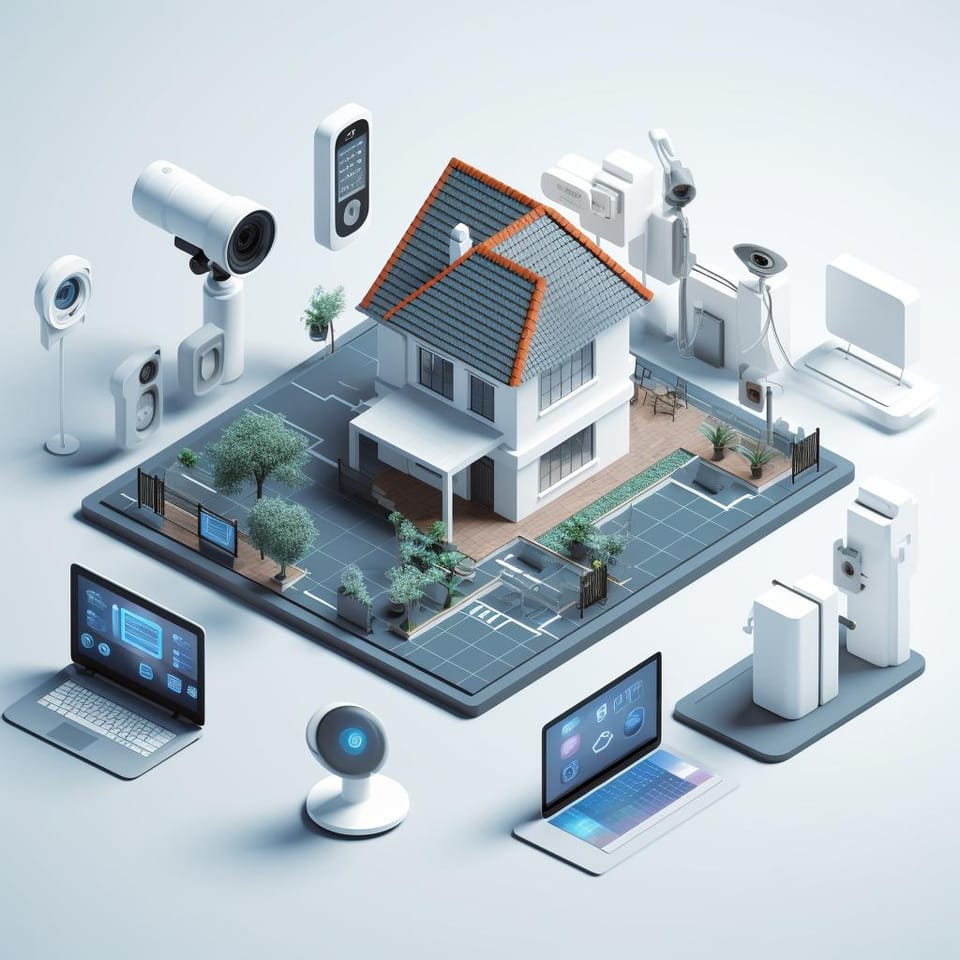

Understanding the Importance of Risk Management in Home Security
When it comes to home security, many people think of locks, alarms, and cameras. While these are all crucial components, there's an often overlooked aspect that's equally important - risk management. Understanding the importance of risk management in home security can make the difference between a secure home and a vulnerable one.
Risk management in home security involves identifying potential threats to your home and taking steps to reduce these risks. This could be anything from installing a security system to deter burglars, to ensuring your home is well-lit to prevent accidents. 
Why is risk management so important? Simply put, it's about being proactive rather than reactive. Instead of waiting for a security incident to occur and then dealing with the aftermath, risk management allows you to anticipate and prevent these incidents. This not only keeps your home and family safer, but it can also save you a lot of stress and money in the long run.
When it comes to risk management, knowledge is power. The more you know about the potential threats to your home, the better you can protect against them. This is where resources like a consumer report home security system review or a guide to home security systems can be invaluable. These can provide you with the information you need to make informed decisions about your home security.
So, as you consider your home security options, remember to think about risk management. It's a strategic approach that can significantly enhance the safety and security of your home. 
How a Home Security System Mitigates Risks
Now that we've established the importance of risk management in home security, let's delve into how a home security system mitigates these risks. A well-chosen and properly installed home security system acts as a strategic risk management solution, providing a robust line of defense against potential threats.
Firstly, a home security system acts as a powerful deterrent. The mere presence of security cameras, alarms, and signage can make potential intruders think twice before targeting your home. Statistics show that homes without security systems are 300% more likely to be burglarized. This illustrates the preventative power of a home security system.
Secondly, modern home security systems offer real-time monitoring and alerts. This means that any unusual activity can be detected and responded to immediately, reducing the risk of theft, vandalism, or other security incidents. 
Thirdly, many home security systems now come with smart home integration. This allows you to control various aspects of your home remotely, such as lighting, door locks, and even heating systems. This not only enhances convenience but also adds an extra layer of security. For example, you can use this feature to make your home appear occupied even when you're away, deterring potential intruders.
Lastly, a home security system provides valuable peace of mind. Knowing that your home is protected 24/7 allows you to relax and feel safe, whether you're at home or away. This psychological benefit should not be underestimated.
In summary, a home security system mitigates risks by acting as a deterrent, providing real-time monitoring and alerts, offering smart home integration, and giving homeowners peace of mind. As we move on to the next section, we'll discuss how to choose the right home security system for your needs, taking into account these risk mitigation factors.
Choosing the Right Home Security System for Your Needs
Choosing the right home security system for your needs is a critical step in your home security journey. It's not a one-size-fits-all scenario; the best system for you depends on your specific needs, lifestyle, and home layout. Here are a few key considerations to guide you in your decision-making process.
Assess Your Home's Vulnerabilities: Start by conducting a thorough assessment of your home. Identify potential entry points for intruders, such as doors, windows, and other vulnerable areas. This will give you a clear idea of where you need to focus your security efforts and what kind of system would best suit your needs. 
Consider Your Lifestyle: Your lifestyle plays a significant role in determining the right home security system. If you travel frequently, for instance, you might benefit from a system with remote monitoring capabilities. On the other hand, if you have pets or young children, you'll want a system that can differentiate between normal activity and potential threats. 
Research and Compare: Don't rush into a decision. Take the time to research various home security systems, read consumer report home security system reviews, and compare features and prices. Look for a system that offers high volume home security with low competition. 
Seek Professional Advice: Lastly, don't hesitate to seek professional advice. As a former police officer, I can attest to the value of expert input when it comes to home security. Police advice on home security can provide invaluable insights into the types of systems that are most effective in deterring criminals. 
In essence, choosing the right home security system involves a careful evaluation of your home's vulnerabilities, a clear understanding of your lifestyle, diligent research, and consultation with professionals. With these steps, you're well on your way to finding a system that will provide the best protection for your home.
Key Features to Look for in a Home Security System
As you embark on your journey to secure your home, understanding the key features of a home security system is crucial. This knowledge will empower you to make an informed choice that aligns with your needs and lifestyle. Let's delve into the essential components you should look for in a home security system.
1. Intrusion Detection: The primary function of any home security system is to detect potential intrusions. This is typically achieved through door and window sensors, motion detectors, and glass break sensors. These devices alert you when someone attempts to gain unauthorized access to your home. 
2. Remote Monitoring: Modern security systems often offer remote monitoring capabilities. This feature allows you to monitor your home from anywhere using a smartphone or computer. You can receive real-time alerts, view live video feeds, and even control your system remotely. 
3. High-Quality Cameras: Security cameras play a vital role in home security. They deter potential intruders and provide valuable evidence in case of an incident. Look for systems that offer high-resolution cameras, night vision, and wide-angle lenses for comprehensive coverage. 
4. Environmental Monitoring: In addition to protecting against intruders, some security systems also monitor for environmental hazards like fire, carbon monoxide, and water leaks. These systems can alert you to potential dangers, helping to keep your home safe and secure. 
5. Professional Monitoring: While self-monitoring can be effective, having a professional monitoring service adds an extra layer of protection. These services monitor your system 24/7 and can contact emergency services on your behalf if an alarm is triggered. 
Remember, the best home security system for you is one that caters to your specific needs and lifestyle. By understanding these key features, you can make a more informed decision and choose a system that provides the level of protection you desire. As you review home security systems consumer reports, keep these features in mind to ensure you're getting the best value for your investment.
Tips for Maximizing the Effectiveness of Your Home Security System
Now that we've discussed the key features to look for in a home security system, let's focus on how to maximize its effectiveness. After all, even the best system can only do so much if not used properly. Here are some tips to ensure you're getting the most out of your home security system.
Regular Maintenance: Like any other device, your home security system requires regular maintenance to function optimally. This includes changing batteries, cleaning camera lenses, and testing the system to ensure it's working correctly. Don't wait for a security incident to discover that your system isn't functioning as it should. Regular maintenance is a critical part of home security risk management. 
Strategic Placement of Devices: The placement of your security devices can significantly impact their effectiveness. For instance, cameras should be placed at high points covering entry points and vulnerable areas. Motion sensors should be installed in high-traffic areas. Remember, the goal is to deter potential intruders, so make sure your security devices are visible. 
Use All Features: Modern security systems come with a plethora of features. Make sure you're utilizing all of them. For example, if your system has remote monitoring capabilities, use it to keep an eye on your home even when you're away. If it offers environmental monitoring, use it to protect your home from potential hazards. 
Update Regularly: Technology is ever-evolving, and so are the tactics used by intruders. Ensure your system is updated regularly to benefit from the latest security features and improvements. This is particularly important for systems that are connected to the internet. 
Professional Monitoring: While self-monitoring is a viable option, professional monitoring services offer an additional layer of security. They can respond quickly in case of an emergency, potentially preventing a minor incident from becoming a major catastrophe. 
By following these tips, you can maximize the effectiveness of your home security system, making your home a safer place for you and your loved ones.
The Role of Police Advice in Home Security
As we transition into the next section, let's delve into the The Role of Police Advice in Home Security. As a former police officer, I can attest to the invaluable insights that law enforcement can provide when it comes to securing your home. Police departments often have crime prevention units or community liaison officers who can offer personalized advice based on your specific neighborhood and home layout.
One of the most common pieces of police advice on home security is the importance of visibility. A well-lit home with clear sightlines from the street can deter potential intruders.  This advice aligns perfectly with the strategic placement of security devices we discussed earlier. By making your security measures visible, you're sending a clear message to would-be intruders that your home is not an easy target.
Another key piece of advice from the police is the importance of community. Neighbors looking out for each other and reporting suspicious activity can be just as effective as a high-tech security system. Police often recommend forming or joining a neighborhood watch program. 
Lastly, police departments often provide home security surveys. These are in-depth assessments where an officer walks through your home, identifying potential vulnerabilities and offering suggestions for improvement. This service is often free and can provide a wealth of information for homeowners. 
Remember, the goal of home security is not just to respond to incidents, but to prevent them from happening in the first place. By incorporating police advice into your home security strategy, you're leveraging the expertise of professionals who deal with these issues on a daily basis. This can significantly enhance your home's security and give you peace of mind.
Home Security System Reviews: What to Consider
Transitioning from the invaluable insights provided by police advice, we now delve into the realm of Home Security System Reviews: What to Consider. When it comes to choosing a home security system, it's crucial to consider various factors that align with your specific needs and circumstances. This is where consumer report home security system reviews become an essential tool in your decision-making process.
Firstly, it's important to understand that not all home security systems are created equal. Some are designed for high volume home security, while others are more suitable for low competition home security. Your choice should be guided by the level of security risk you've identified in your home. 
Secondly, consider the features offered by different systems. Some systems may offer advanced features like smart home integration, remote monitoring, and video surveillance. These features can significantly enhance your home's security, but they also come at a cost. Make sure to read through home security system reviews to understand the pros and cons of these features.
Thirdly, pay attention to the installation process. Some systems require professional installation, while others can be installed by the homeowner. If you're comfortable with DIY projects, a self-install system could save you money. However, for more complex systems, professional installation might be the safer option.
Lastly, consider the cost. Home security systems can range from affordable to high-end. It's important to find a system that fits within your budget but doesn't compromise on the essential features. A good starting point is to check out vivid home security system reviews or any other review of home security systems consumer report.
Remember, a well-chosen home security system is a strategic risk management solution. It's not just about responding to incidents, but preventing them from happening in the first place. By carefully considering these factors, you can choose a system that provides the best protection for your home.
Strategic Home Security Solutions for a Safer Home
As we venture into the realm of Strategic Home Security Solutions for a Safer Home, let's remember that the goal of a home security system is not just to alert you when a break-in occurs, but to deter potential intruders from targeting your home in the first place. This is where strategic planning and implementation come into play.
One of the most strategic ways to secure your home is through layered security. This involves implementing multiple security measures that work together to create a comprehensive defense system.  Think of it as a castle with a moat, high walls, and guards - each layer provides an additional level of protection.
Start with the outermost layer: your property's perimeter. This includes fences, gates, and landscaping. Consider installing motion sensor lights and security cameras to deter trespassers. Next, focus on the exterior of your home. Reinforced doors, window locks, and security film can make it more difficult for burglars to gain entry. The innermost layer is your home's interior. This is where a home security system becomes crucial. Motion detectors, door and window sensors, and alarms can alert you and the authorities to any unauthorized entry.
Another strategic solution is to leverage smart home technology. Many home security systems now integrate with smart devices, allowing you to control and monitor your security system remotely.  This adds a level of convenience and control that was previously unimaginable.
Lastly, don't forget the importance of visibility. Make sure your security measures are visible to potential intruders. This can be as simple as displaying security system signs and stickers around your property. The mere presence of these signs can be enough to deter potential burglars.
Remember, the key to a safer home is strategic planning and implementation. By layering your security measures and leveraging smart technology, you can create a robust home security system that keeps your home safe and gives you peace of mind.
Understanding the Importance of Risk Management
When we talk about home safety, we often focus on the physical aspects - sturdy locks, alarm systems, and surveillance cameras. But there's another crucial element that often gets overlooked: risk management. Understanding this concept is key to achieving a comprehensive home security strategy.

Risk management, in the context of home security, involves identifying potential threats to your home and taking proactive steps to mitigate them. It's about being strategic, not just reactive. By understanding the potential risks, you can tailor your security measures to address them effectively.
For instance, if you live in an area with a high volume of foot traffic, your risk of burglary might be higher. In this case, a home security system with visible cameras might deter potential intruders. On the other hand, if you live in a remote area, your risks might include wildlife intrusion or fire. Here, a security system with motion detectors and fire alarms would be more appropriate.
Consumer report home security system reviews can be a valuable resource in understanding the different risks and how various systems address them. These reviews provide real-world examples of how security systems have been used to manage risks, offering valuable insights for your own home security strategy.
Remember, risk management isn't just about preventing incidents - it's also about minimizing the impact when they do occur. A good home security system can alert you to a problem quickly, allowing you to respond promptly and limit any potential damage.
So, before you dive into the guide to home security systems, take a moment to assess your risks. This will help you choose a system that not only keeps your home safe but also manages your specific risks effectively.
How a Home Security System Fits into Risk Management
When it comes to home security risk management, a well-chosen security system is your frontline defense. It's the cornerstone of a strategic home security solution, acting as both a deterrent and a rapid response mechanism. But how exactly does a home security system fit into risk management? Let's delve into this.
Firstly, a home security system serves as a visual deterrent. The mere presence of security cameras or an alarm system can dissuade potential intruders. It's a clear signal that your home is not an easy target. This is particularly important in areas with high foot traffic, where the risk of opportunistic crime is higher. 
Secondly, a home security system provides real-time monitoring. Whether you're at home or away, modern systems can alert you to any unusual activity. This could be anything from a door or window being opened, to movement detected in your garden. Some systems even offer remote control features, allowing you to check in on your property from anywhere in the world. 
Finally, a home security system plays a crucial role in incident response. In the event of a break-in or fire, a good system can automatically alert the relevant authorities. This ensures a rapid response, minimizing the potential damage and keeping you and your family safe. 
As you can see, a home security system is a powerful tool in managing home security risks. It's not just about reacting to incidents, but proactively preventing them and minimizing their impact. So, when you're reading through home security system reviews or a guide to home security systems, keep these points in mind. Look for a system that offers these features and aligns with your specific risk profile.
Benefits of a Strategic Home Security Solution
Now that we've explored the key features of home security systems, let's delve into the benefits of a strategic home security solution. A well-planned and implemented home security system can offer a multitude of advantages beyond the obvious protection against potential intruders.
Firstly, a strategic home security system provides peace of mind. Knowing that your home is protected 24/7, whether you're away on vacation or sleeping soundly in your bed, is a priceless benefit. This sense of security can greatly improve your quality of life and reduce stress levels.
Secondly, many home security systems come with environmental monitoring features. These can alert you to potential dangers such as fire, carbon monoxide, or water leaks. This proactive approach to home safety can prevent costly damage and, more importantly, protect your family's health.
Thirdly, a strategic home security solution can deter crime. The mere presence of security cameras and alarm systems can discourage potential intruders from targeting your home. 
Lastly, many insurance companies offer discounts on home insurance premiums to homeowners with security systems. This can result in significant savings over time, making your investment in a home security system even more worthwhile.
As you peruse through vivid home security system reviews and consumer report home security system reviews, remember to consider these benefits. A strategic home security solution is more than just an alarm system—it's a comprehensive approach to risk management that can enhance your safety, peace of mind, and even your financial wellbeing.
Police Advice on Home Security
Now, let's delve into some valuable police advice on home security. Law enforcement agencies have a wealth of knowledge when it comes to protecting homes, and their insights can be instrumental in enhancing your home's security.
Firstly, the police emphasize the importance of visibility. This means ensuring that your property is well-lit and that there are no hiding places for potential intruders.  Trim any overgrown shrubs or trees that could provide cover for burglars. Install outdoor lighting, preferably motion-activated, to deter any unwanted visitors.
Secondly, the police recommend creating the illusion of occupancy. Most burglars prefer to target homes when they believe no one is present. This can be achieved by using timers on lights, radios, and TVs to create activity. If you're away, ask a neighbor to collect your mail and park in your driveway occasionally.
Another crucial piece of advice is to secure all entry points. This includes not only doors and windows but also garages, skylights, and pet doors. Reinforce doors with deadbolt locks, secure windows with window security film or bars, and always lock them when you leave home or go to bed.
Finally, the police advise homeowners to establish a relationship with their neighbors. Neighbors can keep an eye on your property and report any suspicious activity. Consider joining or starting a neighborhood watch program for collective security.
Remember, a home security system is a significant part of your home's protection, but it's not the only measure. Incorporating police advice into your home security strategy can provide a more comprehensive and effective defense against potential threats.


No comments yet. Be the first to share your thoughts!