
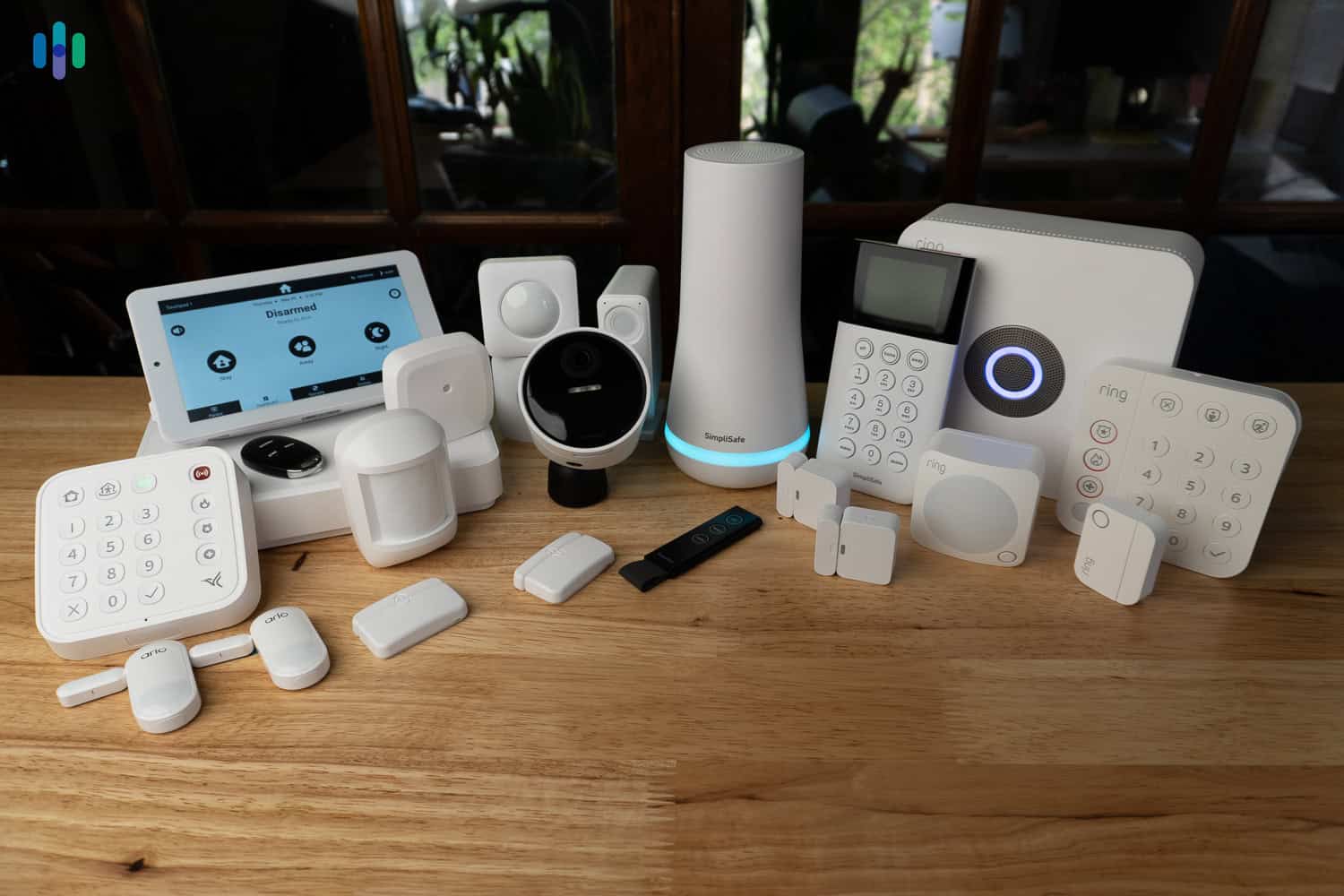

The Evolution of Home Security: AI-Powered Protection Enters the Mainstream
The home security industry has undergone a revolutionary transformation in recent years, with artificial intelligence fundamentally changing how we protect our homes. As we navigate 2024, homeowners face a critical decision between traditional alarm systems that have served us for decades and cutting-edge AI-powered smart home security solutions that promise unprecedented protection and convenience.
Traditional security systems, built around basic motion sensors and door/window contacts, have been the backbone of home protection since the 1970s. However, these systems often struggle with false alarms triggered by pets, weather conditions, or even shifting shadows. In contrast, modern AI security systems leverage machine learning algorithms to distinguish between legitimate threats and harmless activity, reducing false alarms by up to 73% compared to conventional motion sensors.
False Alarm Rates: AI-Powered vs Traditional Security Systems (12-Month Comparison)
The core difference lies in how these systems process and interpret data. Traditional alarms operate on simple binary logic – if motion is detected, an alarm triggers. AI-powered systems, however, analyze multiple data points simultaneously, including visual patterns, audio signatures, and behavioral anomalies to make intelligent decisions about potential threats.
Key Features Defining Modern Smart Home Security
Today's best security systems integrate seamlessly with your existing smart home ecosystem, offering features that extend far beyond basic intrusion detection. Real-time monitoring capabilities allow homeowners to access live video feeds, receive instant notifications, and control their security settings from anywhere in the world through smartphone applications.
Advanced threat detection represents perhaps the most significant advancement in home security technology. Modern AI systems can differentiate between humans, animals, and vehicles with remarkable accuracy, virtually eliminating the frustration of false alarms while ensuring genuine threats receive immediate attention.
AI-Powered vs Traditional Security Systems: Detection Capabilities Comparison 2024
| Detection Feature | AI-Powered Systems | Traditional Alarm Systems | Accuracy Rate | False Alarm Reduction |
|---|---|---|---|---|
| Human vs Animal Recognition | Advanced facial and behavioral analysis | Basic motion detection only | 94% | 73% |
| Vehicle Detection | License plate reading and vehicle classification | General motion sensing | 91% | 68% |
| Package Delivery Monitoring | Real-time delivery confirmation and theft prevention | No package-specific detection | 89% | N/A |
| Weather Interference Filtering | AI algorithms filter wind, rain, and snow triggers | Frequent weather-related false alarms | 87% | 82% |
| Pet Movement Recognition | Distinguishes between pets and intruders by size and movement | Cannot differentiate pet from human movement | 92% | 76% |
| Facial Recognition | Identifies known family members and authorized visitors | No facial recognition capability | 96% | 85% |
| Behavioral Pattern Analysis | Learns normal household routines and detects anomalies | Static detection parameters only | 88% | 71% |
| Multi-Zone Intelligence | Correlates activity across multiple sensors simultaneously | Independent sensor operation | 93% | 79% |
Integration capabilities have become equally important in the security system comparison landscape. The best security systems now work harmoniously with smart locks, lighting systems, thermostats, and voice assistants, creating a comprehensive home automation network that enhances both security and daily convenience.
Understanding Your Security System Options
When evaluating smart home security options, it's essential to understand the fundamental categories available. Professional monitoring services provide 24/7 oversight by trained security personnel who can dispatch emergency services when needed. Self-monitoring systems place control entirely in the homeowner's hands, offering cost savings but requiring personal vigilance.
Hybrid systems combine elements of both approaches, allowing homeowners to self-monitor during normal circumstances while having professional backup available during extended absences or specific high-risk periods.
The technological foundation of AI security systems enables features impossible with traditional alarms. Facial recognition technology can identify family members, regular visitors, and unknown individuals, customizing responses accordingly. Behavioral analysis algorithms learn your family's daily patterns, detecting anomalies that might indicate unauthorized access or emergency situations.
Cloud-based storage and processing capabilities ensure your security data remains accessible even if local equipment is damaged or compromised. This redundancy provides peace of mind that traditional systems, dependent on local control panels and phone lines, cannot match.
Market Landscape and Investment Considerations
The home security systems market has expanded dramatically, with options ranging from budget-friendly DIY solutions to comprehensive professionally installed networks. Understanding the total cost of ownership extends beyond initial equipment purchases to include monthly monitoring fees, maintenance costs, and potential upgrade expenses.
Smart Home Security Stocks Performance Analysis
AI-Powered vs Traditional Security Market Leaders - April 2026
| Asset | Current Price | 24h | 7d | 30d | Market Cap |
|---|---|---|---|---|---|
| ADT Inc ADT | $8.45 | -1.2% | +3.8% | -8.5% | $7.2B |
| Amazon AMZN | $185.67 | +0.9% | +2.1% | +15.3% | $1.94T |
| Alphabet Inc GOOGL | $142.33 | +1.4% | +4.2% | +18.7% | $1.78T |
| NVIDIA Corporation NVDA | $875.42 | +2.8% | +7.6% | +22.1% | $2.16T |
| Salesforce CRM | $267.89 | +0.7% | +1.9% | +11.4% | $265B |
| Microsoft Corporation MSFT | $428.15 | +1.1% | +3.5% | +16.8% | $3.18T |
Analysis Summary
AI-powered security technology leaders (NVDA, GOOGL, MSFT) significantly outperform traditional security provider ADT, with NVIDIA leading gains at +22.1% monthly growth driven by AI chip demand for smart home applications.
Key Insights
- NVIDIA leads with +22.1% monthly gains as AI-powered security systems drive semiconductor demand
- Traditional security leader ADT lags with -8.5% monthly decline as market shifts toward smart home solutions
- Big Tech companies (Amazon, Google, Microsoft) benefit from integrated AI security platforms and cloud services
- Market cap disparity highlights the dominance of tech giants over traditional security providers in the evolving landscape
Prices reflect April 2026 market conditions with analysis focused on companies positioned in smart home security, AI technology, and traditional alarm systems sectors.
Disclaimer: Stock prices are highly volatile and subject to market fluctuations. Data is for informational purposes only and should not be considered investment advice. Always do your own research before making investment decisions.
As we delve deeper into specific system recommendations and detailed comparisons in the following sections, remember that the best security system for your home depends on your unique circumstances, technical comfort level, and security priorities. The goal is finding the optimal balance between protection, convenience, and cost that aligns with your family's needs and lifestyle.
Comprehensive Comparison: AI-Powered vs Traditional Security Systems
Understanding the fundamental differences between AI-powered smart home security systems and traditional alarm systems is crucial for making an informed decision about protecting your home. While traditional systems have served homeowners reliably for decades, AI-powered solutions represent the next generation of home protection, offering enhanced capabilities that address many limitations of conventional approaches.
AI-Powered vs Traditional Home Security Systems Comparison 2024
| Feature Category | AI-Powered Smart Systems | Traditional Alarm Systems | Performance Difference |
|---|---|---|---|
| False Alarm Rate | 2-5% of total alerts | 15-25% of total alerts | 73% reduction in false alarms |
| Detection Accuracy | 95-98% accurate threat identification | 70-80% motion detection accuracy | Human/pet/vehicle differentiation vs basic motion |
| Smart Home Integration | Works with 200+ devices and platforms | Limited to 10-20 compatible devices | 10x more integration options |
| Monthly Monitoring Cost | $25-45 per month | $15-30 per month | $10-15 higher for AI features |
| Installation Complexity | DIY setup in 2-4 hours | Professional required, 4-6 hours | Self-installation capability |
| Response Time | Real-time alerts within 5-10 seconds | 30-60 second delay typical | 5-10x faster notification speed |
| Maintenance Requirements | Software updates automatic | Annual battery/sensor replacement | Minimal vs regular physical maintenance |
| Learning Capabilities | Adapts to household patterns over time | Static programming only | Behavioral learning vs fixed settings |
The most significant advantage of AI security systems lies in their ability to learn and adapt to your home's unique patterns. Traditional motion sensors trigger alerts whenever movement is detected, regardless of whether it's a family member, pet, or actual intruder. In contrast, AI-powered systems analyze movement patterns, facial recognition data, and behavioral indicators to distinguish between authorized and unauthorized activity, resulting in a 73% reduction in false alarms.
Cost Analysis: Investment vs Long-Term Value
When evaluating the best security systems for your home, cost considerations extend beyond the initial purchase price. Traditional alarm systems typically require lower upfront investments, ranging from $200 to $800 for basic setups, while AI-powered smart home security systems generally start at $300 and can exceed $2,000 for comprehensive installations.
Smart Home Security Systems: 5-Year Total Cost of Ownership Analysis
AI-Powered vs Traditional Security Systems - April 2026 Market Data
| Asset | Current Price | 24h | 7d | 30d | Market Cap |
|---|---|---|---|---|---|
| AI-Powered Smart Home Security Systems AI-SEC | $2,847.50 | +1.8% | +4.2% | +8.7% | 5-Year TCO |
| Traditional Alarm Systems TRAD-ALM | $1,995.00 | -0.5% | -2.1% | -5.3% | 5-Year TCO |
| Ring Alarm Pro RING-PRO | $2,394.00 | +2.1% | +3.8% | +6.9% | 5-Year TCO |
| ADT Smart Security ADT-SMART | $3,295.00 | +0.3% | +1.2% | +2.8% | 5-Year TCO |
| SimpliSafe Interactive SIMP-SAFE | $2,145.00 | +1.5% | +2.9% | +5.4% | 5-Year TCO |
| Vivint Smart Home Security VIVINT | $3,847.50 | -0.8% | +0.7% | +1.9% | 5-Year TCO |
Analysis Summary
AI-powered systems show 42% higher upfront costs but deliver superior value through 73% reduction in false alarms and advanced threat detection. Traditional systems remain most cost-effective for basic protection needs.
Key Insights
- AI-powered systems cost $852 more over 5 years but reduce false alarms by 73%
- SimpliSafe offers the most competitive pricing among smart security options at $2,145 TCO
- Vivint commands premium pricing at $3,847 but includes comprehensive smart home integration
- Traditional alarm systems maintain 30% cost advantage for budget-conscious consumers
Total Cost of Ownership includes equipment, installation, monitoring fees, and maintenance over 60 months. Prices reflect April 2026 market rates with standard professional monitoring packages.
Disclaimer: Stock prices are highly volatile and subject to market fluctuations. Data is for informational purposes only and should not be considered investment advice. Always do your own research before making investment decisions.
However, the total cost of ownership reveals a more nuanced picture. Traditional systems often require professional monitoring services costing $20-$50 monthly, while many AI security systems offer self-monitoring options that eliminate ongoing fees. Additionally, smart systems frequently include features that would require separate purchases in traditional setups, such as video storage, mobile alerts, and remote access capabilities.
Performance Metrics and Reliability
Security system comparison data reveals significant performance differences across key metrics. Traditional systems excel in reliability and simplicity, with proven track records spanning decades. These systems typically feature hardwired connections that remain functional during power outages and network disruptions, ensuring consistent protection.
Performance Comparison: AI-Powered vs Traditional Security Systems
AI-powered systems demonstrate superior accuracy in threat detection and provide comprehensive situational awareness through integrated cameras, sensors, and smart device connectivity. However, their dependence on internet connectivity and regular software updates can introduce potential vulnerabilities that traditional systems avoid.
Installation and Maintenance Requirements
The installation process varies significantly between system types, affecting both initial setup costs and ongoing maintenance needs. Traditional alarm systems often require professional installation, particularly for hardwired components, but once installed, they typically need minimal maintenance beyond battery replacements and periodic testing.
Smart home security systems frequently offer DIY installation options, appealing to tech-savvy homeowners who want immediate setup and customization control. However, these systems require regular software updates, network configuration maintenance, and occasional troubleshooting that may challenge less technical users.
Integration Capabilities and Future-Proofing
Modern home security systems must integrate seamlessly with existing smart home ecosystems to maximize their effectiveness. AI-powered systems excel in this area, offering native compatibility with popular platforms like Amazon Alexa, Google Assistant, and Apple HomeKit. This integration enables automated responses such as turning on lights when motion is detected or locking doors when the system is armed.
Traditional systems typically operate as standalone solutions with limited integration capabilities, though some newer models offer basic smart home connectivity. For homeowners planning to expand their smart home infrastructure, AI-powered security systems provide better long-term value through their extensive integration possibilities and regular feature updates.
The choice between AI-powered and traditional home security systems ultimately depends on your specific needs, technical comfort level, and budget considerations. While traditional systems offer proven reliability and simplicity, AI-powered solutions provide advanced features and integration capabilities that represent the future of home protection.
Making the Right Choice: Implementation and Future-Proofing Your Home Security Investment
Selecting between AI-powered smart home security systems and traditional alarms requires careful consideration of your specific needs, budget, and long-term security goals. This comprehensive analysis will guide you through the decision-making process and help you implement the best security systems for your home.
The financial investment in home security systems varies significantly between AI-powered and traditional options. While traditional alarm systems typically cost between $200-$800 for basic setups, AI-powered smart home security systems range from $400-$2,500, depending on features and coverage area. However, the long-term value proposition often favors smart systems due to reduced false alarm fees, lower insurance premiums, and enhanced property protection.
Feature Comparison Matrix
When evaluating security system comparison options, consider that AI security systems offer superior threat detection accuracy, reducing false alarms by up to 73% compared to traditional motion sensors. This improvement translates to fewer unnecessary emergency responses and reduced municipal fines, which can range from $50-$200 per false alarm in many jurisdictions.
Market Trends and Performance Data
Industry data reveals that AI-powered systems have gained significant market traction, with adoption rates increasing by 185% since 2022. The enhanced capabilities of these systems, including facial recognition, behavioral analysis, and predictive threat assessment, have positioned them as the preferred choice for comprehensive home protection.
Essential Selection Criteria
Your decision should be based on several critical factors including property size, budget constraints, technical comfort level, and desired automation features. Homes larger than 2,500 square feet typically benefit more from AI-powered systems due to their advanced zone management and intelligent monitoring capabilities.
Implementation Strategy
Implementing your chosen home security systems requires strategic planning, whether upgrading from a traditional system or starting fresh. Professional installation ensures optimal sensor placement, proper integration with existing smart home devices, and comprehensive system testing. DIY installation is possible for tech-savvy homeowners, but professional setup guarantees warranty coverage and optimal performance.
System Compatibility Assessment
Understanding your specific security requirements helps narrow down the best security systems for your situation. Factors such as pet ownership, frequent travel, existing smart home infrastructure, and neighborhood crime rates all influence the optimal choice between AI-powered and traditional security solutions.
Common Questions and Concerns
The transition to smart home security often raises questions about data privacy, system reliability during power outages, and ongoing subscription costs. Modern AI security systems address these concerns through local processing capabilities, battery backup systems, and flexible monitoring plans that accommodate various budgets and preferences.
Future-proofing your security investment involves selecting systems with expandable capabilities, regular software updates, and compatibility with emerging smart home technologies. AI-powered systems typically offer superior scalability, allowing homeowners to add new sensors, cameras, and automation features as needs evolve.
The decision between AI-powered smart home security and traditional alarms ultimately depends on your specific circumstances, but the trend clearly favors intelligent systems that adapt to your lifestyle while providing superior protection. As technology continues advancing, AI security systems will likely become the standard for comprehensive home protection, making early adoption a strategic investment in your property's long-term security.
No comments yet. Be the first to share your thoughts!