

Start with a room-by-room walkthrough
Tackling 2026 home safety requires a systematic approach to identifying and mitigating risks before they cause harm. Breaking your house into manageable zones makes the task easier to handle. You will spot problems faster when you focus on one area at a time rather than scanning the entire house.
Grab a notebook or use a notes app. Walk through every room, including closets, hallways, and the garage. Look for common hazards like loose rugs, exposed cords, or poor lighting. Write down what you see without trying to fix it yet. This initial scan helps you prioritize what needs immediate attention.
Start with the entryway and living areas, then move to high-risk zones like the kitchen and bathrooms. Check for tripping hazards, sharp corners, and proper lighting. By the end of the walkthrough, you will have a clear list of issues to address in your home safety plan.
Secure the kitchen and cooking areas
The kitchen is the most common site for household fires and burns. Securing this space requires checking equipment and managing hazards. Follow these steps to reduce risk.
Keep a fire extinguisher in the kitchen and check the pressure gauge monthly. The needle should be in the green zone. Replace or recharge units that show low pressure. This simple check ensures the tool works when you need it most.
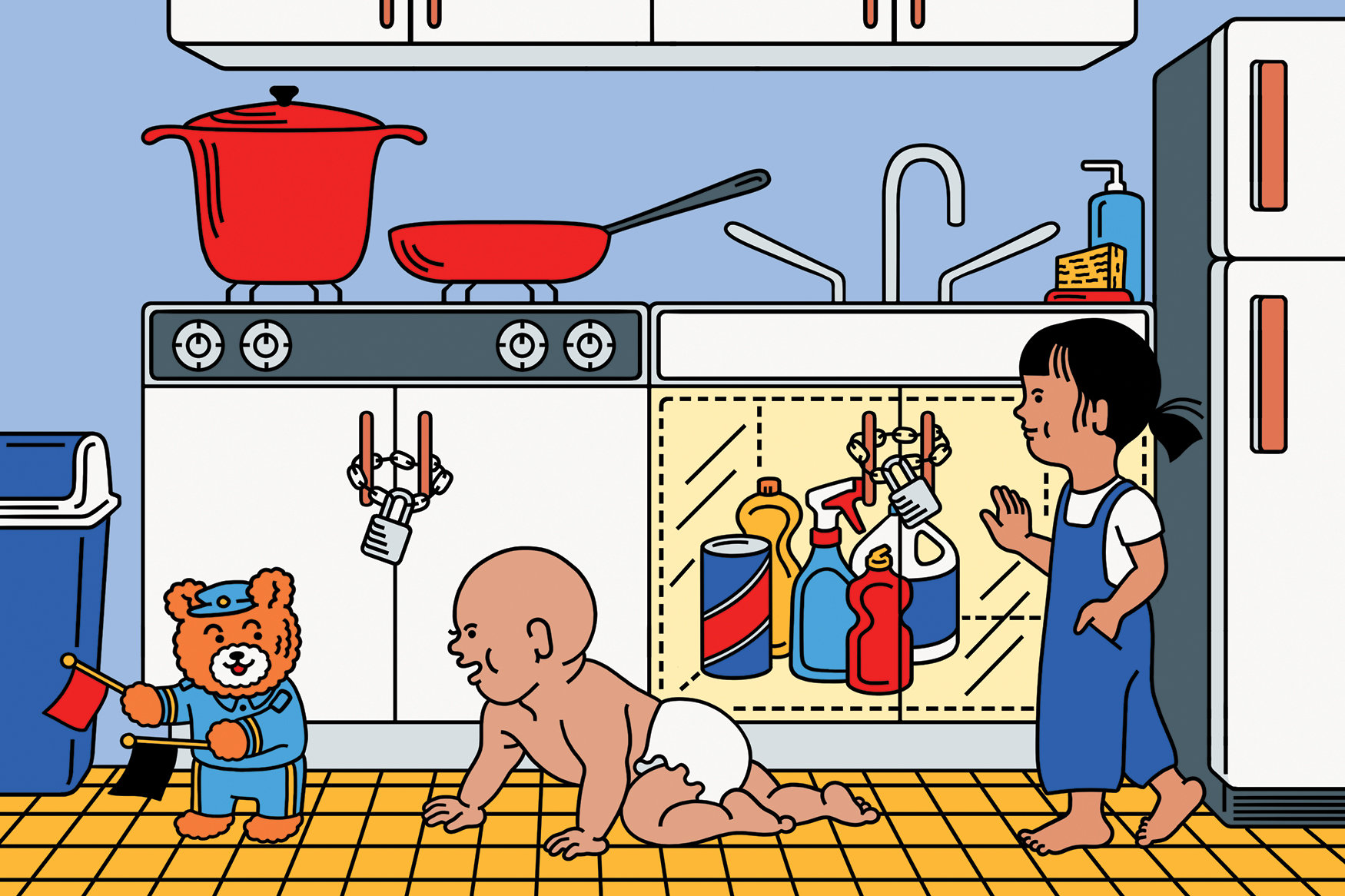
Install safety latches on cabinets containing knives, cleaning supplies, or sharp objects. This prevents young children from accessing dangerous items. Position locks out of reach for toddlers but accessible for adults.

Move paper towels, wooden utensils, and oven mitts away from the stovetop. These items can catch fire from open flames or hot surfaces. Keep a clear zone around all burners to prevent accidental ignition.
Store matches and lighters in a locked cabinet or high shelf. Never leave cooking food unattended on the stove. These steps form the core of effective Home Safety in the kitchen.
Prevent falls in bathrooms and hallways
Falls are the most common cause of home injury. Simple changes like removing throw rugs and adding grab bars can significantly reduce risk.
Throw rugs slide easily on hard floors, and cords create tripping hazards in hallways. Secure all carpets firmly to the floor or remove them entirely. Tuck electrical cords along walls or use cord covers to keep walkways clear.
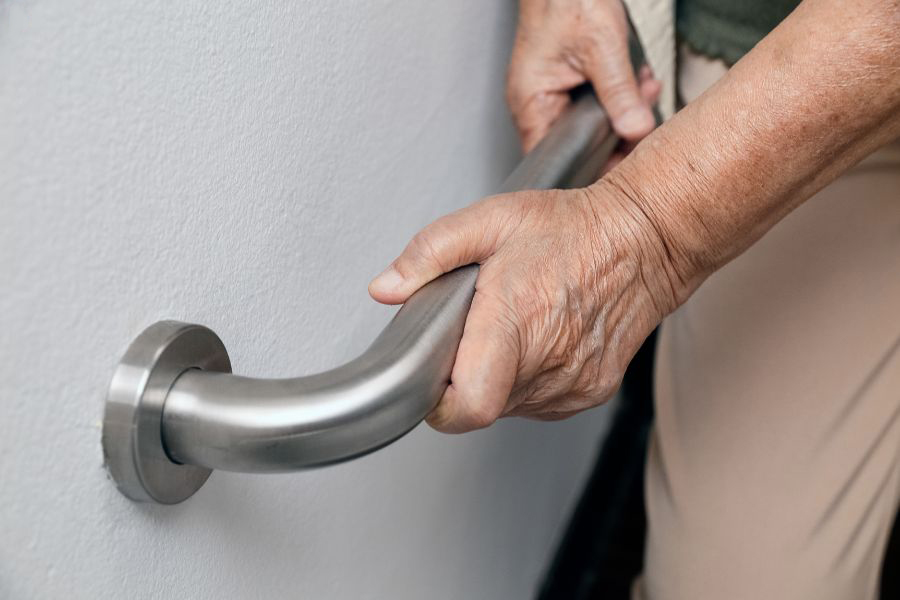
Bathrooms are slippery when wet. Install grab bars near the toilet and inside the shower or bathtub. Make sure they are anchored into wall studs, not just drywall, to support your weight safely.
Poor visibility leads to missteps. Add nightlights to hallways, stairwells, and bathrooms so you can see clearly at night. Ensure light switches are accessible at the top and bottom of every staircase.
Place non-slip mats in the shower and outside the bathtub. Wear non-slip slippers or shoes with good traction around the house, especially in the morning when floors may be damp.
Secure electrical outlets and small items
Young children explore their environment by touching and tasting. Mitigating home safety risks requires blocking access to electrical hazards and removing choking or poisoning dangers before they become emergencies.
Cover unused outlets
Install safety plugs or sliding outlet covers on all unused electrical sockets. These small devices prevent toddlers from inserting objects into live wires, reducing the risk of severe electric shock. Keep electrical cords tucked away or secured with cord shorteners so children cannot pull appliances down or chew on exposed wiring.
Remove choking hazards
Conduct a floor-level sweep to identify small objects. Coins, button batteries, marbles, and small toy parts pose immediate choking risks. Store these items in containers with tight-fitting lids, placed on high shelves or in locked cabinets. Regularly vacuum under furniture and behind appliances where small items tend to accumulate.
Lock away poisons
Household chemicals, cleaning supplies, and medications must be stored out of reach and sight. Use child-resistant locks on kitchen and bathroom cabinets. Keep products in their original containers to ensure proper labeling is visible. If a child ingests a harmful substance, contact Poison Control immediately rather than waiting for symptoms to appear.

-
Install safety plugs or sliding covers on all unused outlets
-
Secure electrical cords with shorteners or tuck them away
-
Store small objects in high, locked, or lidded containers
-
Use child-proof locks on cabinets holding chemicals and meds
Upgrade exterior security and lighting
Perimeter security starts with the first line of defense: your doors, windows, and the spaces between them. Intruders look for easy targets, so making your home visible and difficult to enter is the most effective deterrent. This section covers the essential upgrades to secure your exterior and improve nighttime safety.
Start by inspecting every deadbolt and latch on your entry doors. Ensure the strike plate is secured with three-inch screws that reach the door frame’s studs, not just the trim. A weak strike plate can be kicked in with minimal force. Replace any locks that feel stiff or show signs of wear.
Darkness is an intruder’s best friend. Install motion-sensor lights above all entry points, including the garage, back door, and side yards. Choose fixtures with a wide detection angle and adjust the sensitivity to avoid triggering from passing cars or pets. Bright, sudden light disrupts an intruder’s approach and alerts neighbors.
Overgrown bushes and trees provide cover for someone trying to pick a lock or break a window. Trim back any shrubbery so it stays below window sills and doesn’t touch the house. This creates a natural barrier that forces anyone approaching to be fully visible from the street or neighboring properties.
Prepare for emergencies and power outages
Disasters rarely wait for a convenient time. Building a reliable home safety plan means having the right supplies and detection systems before a storm hits or the grid goes down. This section covers the essentials for detecting fires, treating minor injuries, and staying powered during an outage.
Test smoke detectors and install carbon monoxide alarms
Smoke detectors are your first line of defense against fire, but they only work if they have fresh batteries and are in the right place. Place detectors inside every bedroom, outside each sleeping area, and on every level of your home, including the basement. Test them monthly by pressing the test button and replace batteries at least once a year.
Carbon monoxide is an odorless, colorless gas that can be deadly. Install alarms on every level of your home, especially near attached garages. If your home has fuel-burning appliances like furnaces or water heaters, these alarms are non-negotiable. According to the American Academy of Family Physicians, proper placement and regular testing significantly reduce the risk of carbon monoxide poisoning.
Assemble a disaster supply kit
A disaster supply kit is your lifeline if you cannot leave your home or if services are interrupted. Start with water—one gallon per person per day for at least three days—and non-perishable food that requires no cooking. Include a manual can opener, flashlights, and extra batteries.
Add a first aid kit with bandages, antiseptic, pain relievers, and any prescription medications. Keep important documents like insurance policies and identification in a waterproof container. For power outages, include battery-powered or hand-crank radios to stay informed about local emergency alerts. Ready.gov provides a comprehensive checklist to help you tailor your kit to your family’s specific needs.
Create and practice an emergency escape plan
Fires spread quickly, often producing smoke that disorients even experienced occupants. Draw a floor plan of your home and identify two ways out of every room. Practice this plan with your family at least twice a year, both during the day and at night. Choose a meeting spot outside, such as a mailbox or a large tree, so everyone knows where to go once they escape.
If you live in a multi-story home, consider installing emergency escape ladders in upper-floor bedrooms. Ensure all family members know how to use them safely. Keep the escape routes clear of clutter and ensure windows open easily. Regular practice reduces panic and ensures everyone knows exactly what to do when seconds count.
No comments yet. Be the first to share your thoughts!