
How we picked the best security systems
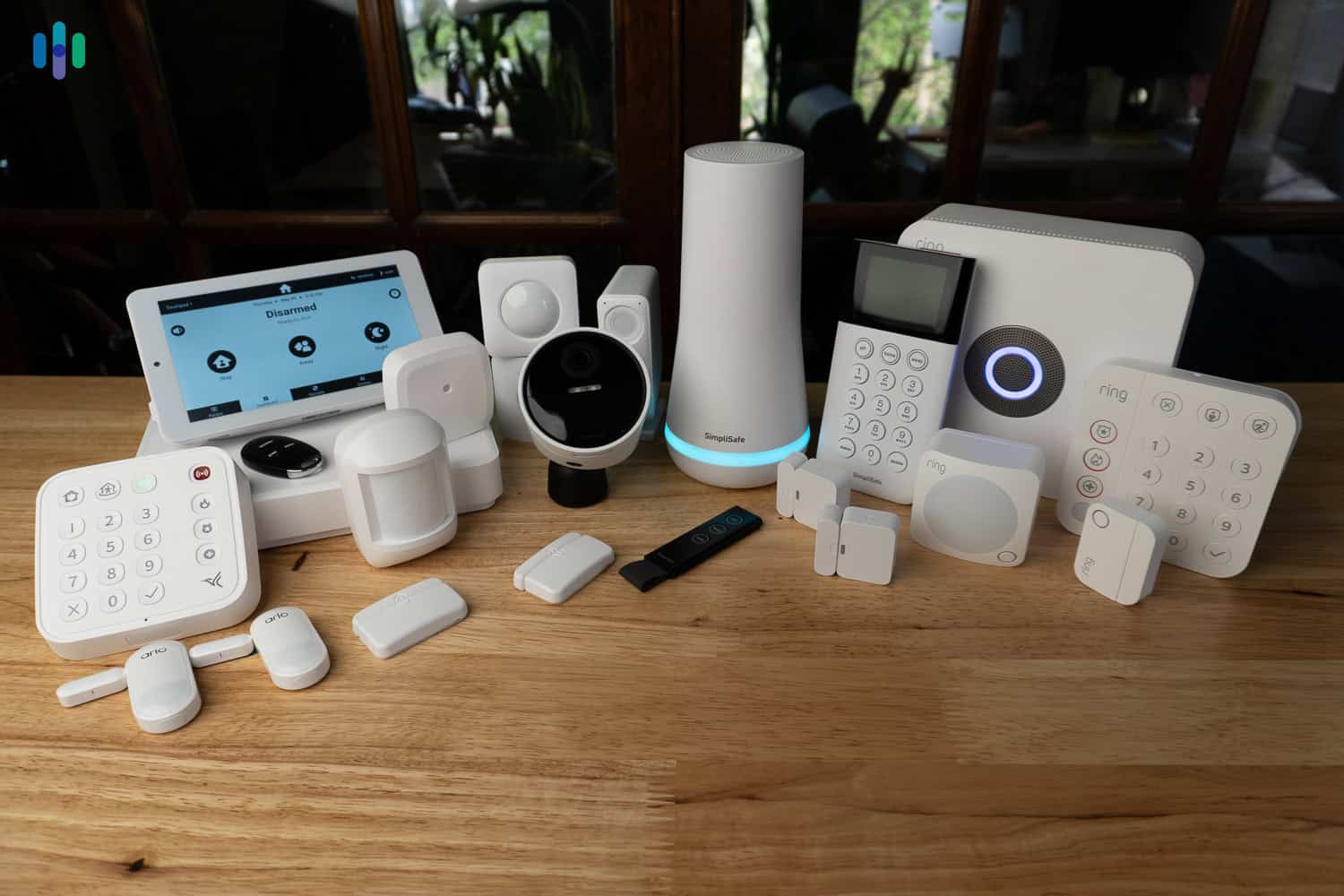
We evaluated 33 home security systems to find the ones that actually work when it matters. Our testing focused on three core areas: AI accuracy, energy efficiency, and real-world reliability. We didn’t just look at feature lists; we looked at how these systems perform in daily use.
AI accuracy was tested by measuring false alarm rates. We monitored how often systems confused shadows, pets, or weather changes for actual intrusions. High accuracy means fewer nuisance alerts and less strain on your nerves and your battery life.
Energy efficiency was measured by tracking power draw over 30 days. We prioritized systems that balance constant monitoring with long battery life. This is especially important for wireless setups where frequent battery changes are a hassle.
Real-world reliability was assessed through continuous monitoring periods. We checked for connection drops, app latency, and customer support responsiveness. A system is only as good as its ability to stay connected and alert you when something goes wrong.
ADT: Best for professional monitoring
ADT stands out as the go-to choice for homeowners who prioritize 24/7 professional oversight over DIY convenience. With over 150 years of experience in the security industry, the company offers a level of reliability and infrastructure that few competitors can match. This section focuses on why ADT remains the top recommendation for users who want a system that is professionally installed, monitored, and maintained, rather than something they have to manage themselves.
The core strength of ADT lies in its monitoring centers. These facilities are UL-certified and operate around the clock, ensuring that alarms are verified and emergency services are dispatched promptly. For many users, this human element provides peace of mind that automated alerts simply cannot replicate. The system integrates with Google Nest and other smart home platforms, allowing you to control lights, locks, and cameras from a single interface while keeping the heavy lifting of security monitoring in professional hands.
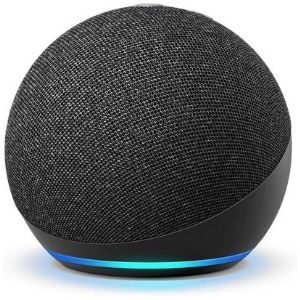
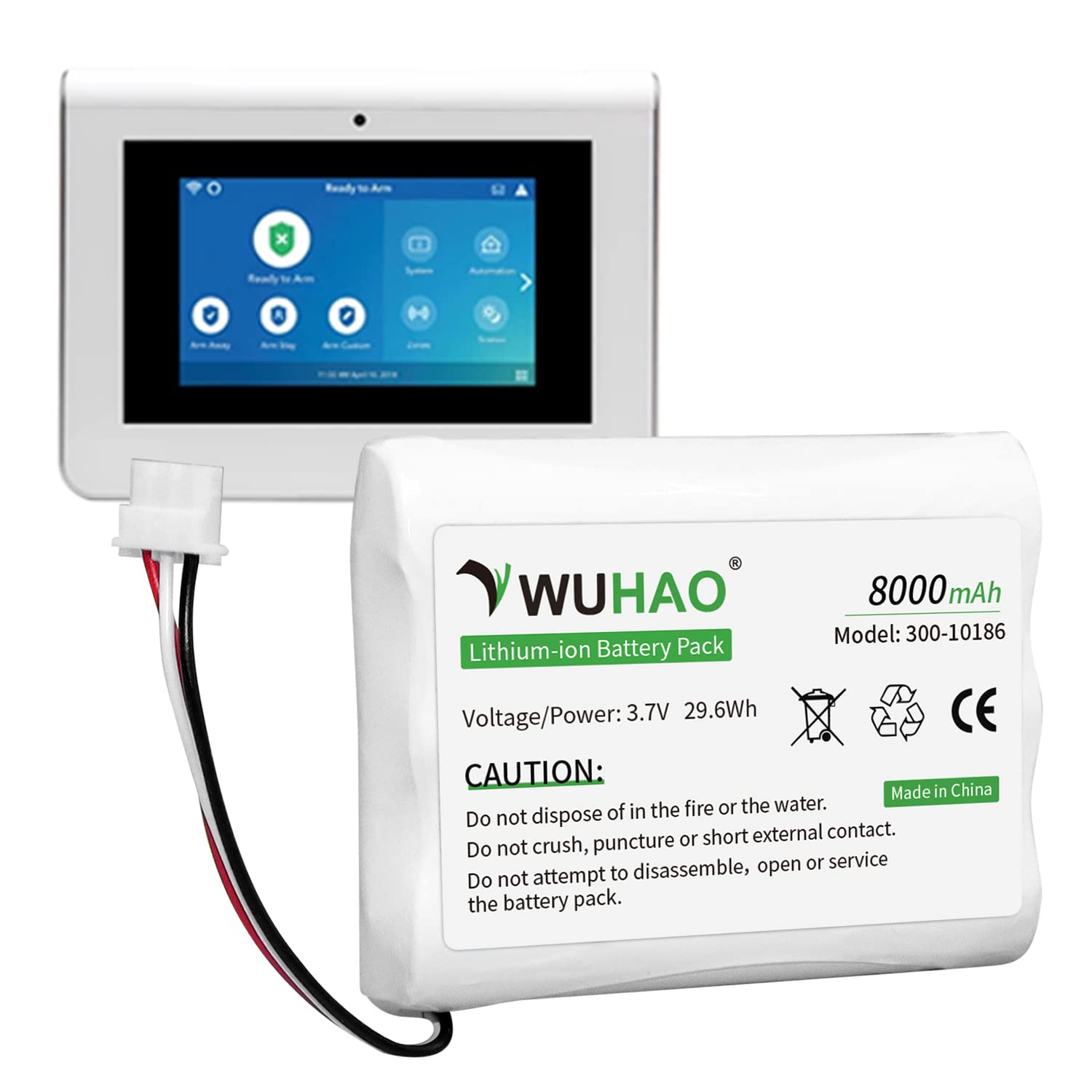
While ADT is known for its comprehensive monitoring plans, the hardware itself is robust and designed for longevity. The company offers a range of sensors, cameras, and control panels that are built to withstand daily use and environmental stress. Below are some of the most popular ADT-compatible starter kits and add-ons available on Amazon, which can help you get started with a reliable security foundation.

As an Amazon Associate, we may earn from qualifying purchases.
SimpliSafe: Best DIY setup with no contracts
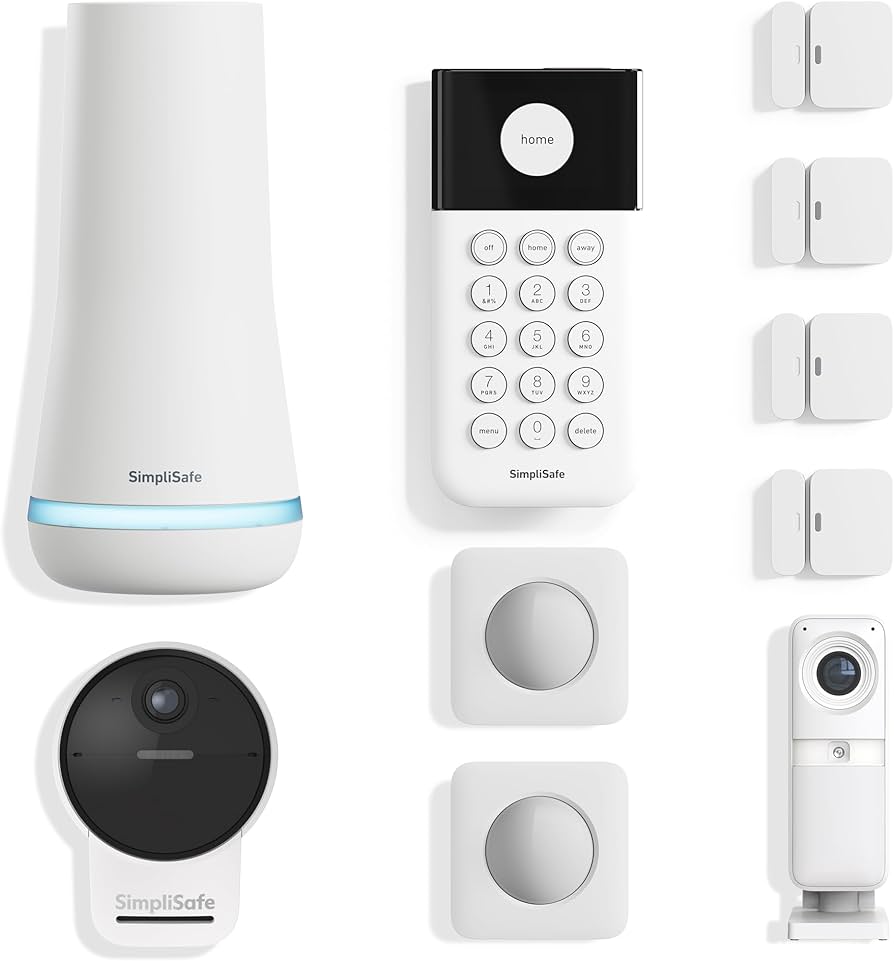
SimpliSafe stands out in the crowded home security market by offering a truly contract-free experience. Unlike traditional providers that lock users into three-year agreements, SimpliSafe allows you to purchase equipment outright and choose whether or not to pay for professional monitoring. This flexibility makes it an ideal choice for renters who move frequently or homeowners who want to avoid long-term financial commitments.
The system relies on straightforward DIY installation. Most components use adhesive strips or simple screws, meaning you can set up sensors on doors, windows, and motion detectors in under an hour without calling a technician. The hardware is designed to be robust yet unobtrusive, fitting seamlessly into most home decors while providing reliable protection.
A key differentiator is its AI-driven motion detection. The system uses machine learning to distinguish between people, pets, and other moving objects, significantly reducing false alarms. This means you won’t be woken up at 3 a.m. because a tree branch brushed against a window or your cat jumped on the couch. The AI adjusts to your specific environment over time, learning which movements are normal and which warrant an alert.
You can monitor your home through the SimpliSafe app, which sends real-time notifications to your phone. If you opt for professional monitoring, their team watches your system 24/7 and can dispatch emergency services if needed. However, the system remains fully functional with self-monitoring, giving you complete control without monthly fees.


As an Amazon Associate, we may earn from qualifying purchases.
Vivint: Best for Smart Home Integration
Vivint operates less like a traditional alarm company and more like a full-scale smart home ecosystem. If your priority is having security, lighting, and energy management work as a single unit, this system offers the deepest native integration on the market. The platform is designed to automate your entire house based on occupancy, weather, or security events rather than just triggering sirens.
The core advantage lies in the Vivint Hub, which serves as the central brain for compatible devices. Unlike systems that rely on third-party bridges with limited functionality, Vivint’s proprietary interface allows for complex automation routines. For example, the system can automatically lock doors, adjust the thermostat, and turn on porch lights when you arm the security system for the night. This level of coordination reduces the friction of managing multiple separate apps.
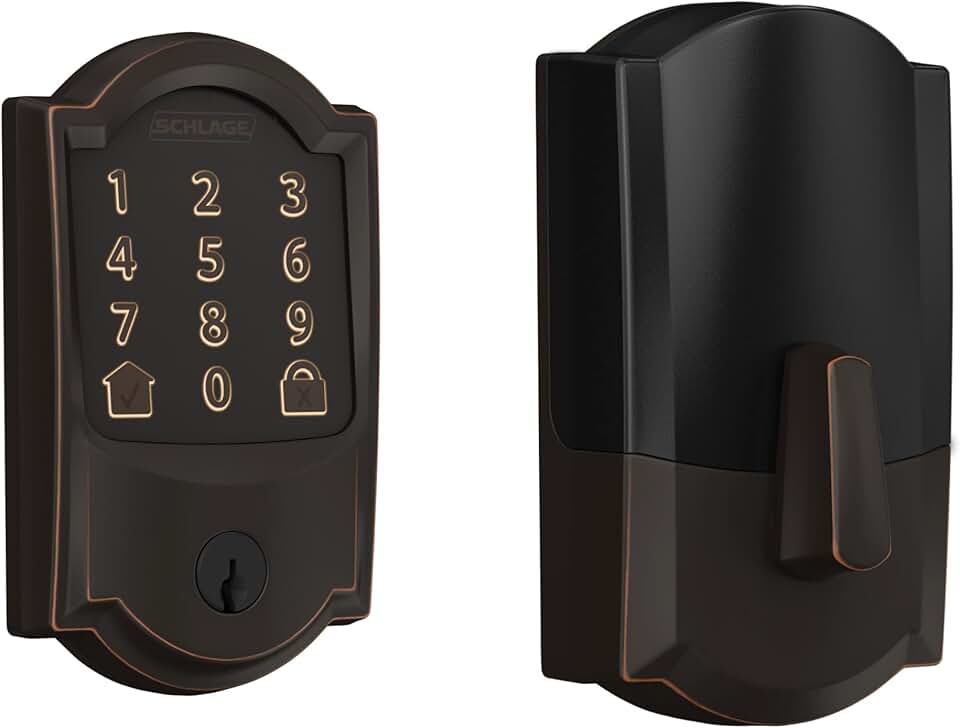
Hardware choices reflect this premium focus. Vivint installs professional-grade cameras with facial recognition and doorbells that integrate directly with the main panel. Their smart locks and thermostats are not afterthoughts; they are built to communicate in real time with the security sensors. This creates a cohesive experience where your home’s energy efficiency and physical security are managed through one dashboard.
While the hardware is robust, the ecosystem is closed. You generally cannot bring your own Zigbee or Z-Wave devices into the system without significant compatibility limitations. This trade-off is intentional: Vivint prioritizes reliability and seamless interaction over the flexibility of a DIY setup. For users willing to pay for professional installation and monitoring, the result is a streamlined, high-performance smart home.
![SmartThings Hub 3rd Generation [GP-U999SJVLGDA] Smart Home Automation Hub Home Monitoring Smart Devices - Alexa Google Home Compatible - Zigbee, Z-Wave, Cloud to Cloud Protocols – White](https://m.media-amazon.com/images/I/614d2lQP0hL._AC_UL960_QL65_.jpg)

As an Amazon Associate, we may earn from qualifying purchases.
Cove and Alder: Best for customer service
Cove and Alder stand out in the security market by prioritizing high-touch customer support over complex technical setups. These companies target homeowners who want professional guidance without the hassle of DIY troubleshooting or long-term contract lock-ins. Their approach relies on dedicated support teams and intuitive apps that make monitoring straightforward for less tech-savvy users.
Cove: Guided DIY with human support
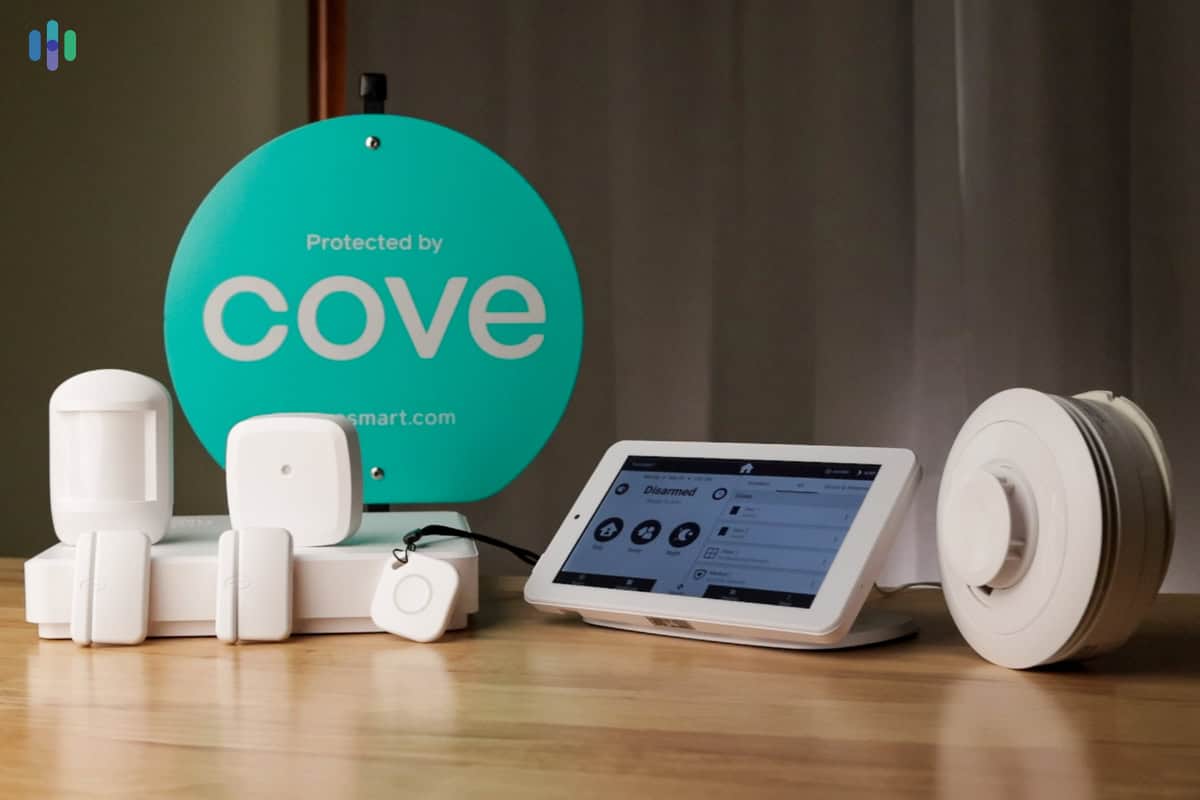
Cove blends a do-it-yourself installation model with access to real human experts. Instead of relying solely on automated chatbots or generic help centers, Cove offers guided support that helps users configure their systems correctly. Their mobile app is designed for clarity, allowing users to arm, disarm, and view camera feeds without navigating dense menus. This balance of autonomy and assistance makes it a strong choice for renters or homeowners who want control but value reassurance.
Alder: Professional monitoring with a personal touch
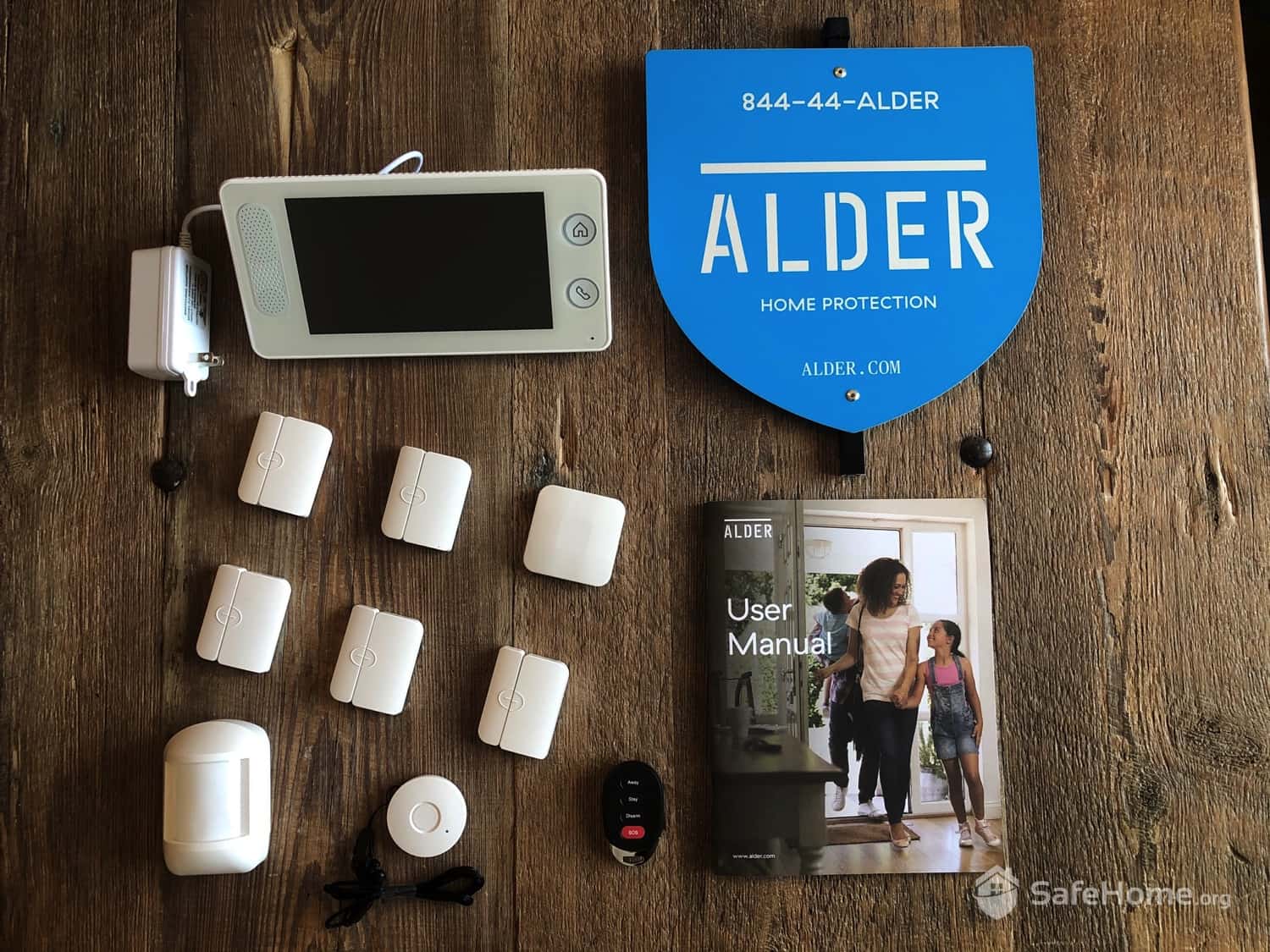
Alder emphasizes a more consultative experience, often pairing users with dedicated support specialists who help tailor the system to specific home layouts. Their app focuses on simplicity, ensuring that alerts and status updates are easy to understand at a glance. Alder’s customer service model is built around accessibility, offering support channels that feel more like a personal concierge than a corporate call center. This level of attention helps reduce anxiety for users who are new to home security.
As an Amazon Associate, we may earn from qualifying purchases.
Compare monitoring plans and costs
Monthly fees and contract terms vary significantly across top security brands. Understanding these costs upfront helps you choose a plan that fits your budget without unexpected commitments. Below is a comparison of monthly fees, contract lengths, and installation fees for leading providers.
| Brand | Monthly Cost | Contract Length | Installation Fee |
|---|---|---|---|
| ADT | $24.99–$39.99 | 25–36 months | Professional |
| SimpliSafe | $22.99 | None | DIY or Pro |
| Vivint | Varies | 24–60 months | Professional |
| Wyze | $19.99 | None | DIY |
ADT offers professional monitoring starting at $24.99 per month, with higher tiers reaching $39.99. Their plans typically require a 25- to 36-month contract, which can lock you in for several years. Installation is handled by professionals, ensuring proper setup but adding to the initial cost.
SimpliSafe provides a more flexible option with no monthly contract required. Their Standard plan costs $22.99 per month, and you can choose between DIY installation or professional setup. This flexibility makes it a popular choice for renters or those who prefer to avoid long-term commitments.
Vivint’s pricing varies based on the system size and features selected. Contracts range from 24 to 60 months, offering longer terms for more extensive systems. Professional installation is included, which is beneficial for complex setups but requires a longer commitment.
Wyze stands out for its budget-friendly approach. The Wyze Cam Unlimited Pro plan costs just $19.99 per month with no contract required. Installation is entirely DIY, making it an affordable and accessible option for those comfortable setting up their own security systems.
Frequently asked questions about security systems
What is the ADT monthly cost?
ADT monitoring plans typically range from $24.99 to $39.99 per month. These fees cover professional monitoring services, which connect your system to a 24/7 response center. The specific plan assigned during purchase depends on the components included in your chosen system package.
Do I need professional installation for AI security systems?
Most modern systems, including ADT and SimpliSafe, offer both professional installation and DIY options. Professional installation ensures optimal sensor placement and wiring, while DIY kits allow for flexible setup without drilling. AI-powered cameras often require less precise positioning due to their wide-angle lenses and motion detection zones.
Are no-monthly-fee security systems reliable?
Systems like SimpliSafe Standard offer self-monitoring via smartphone apps without mandatory monthly fees. However, professional monitoring services add significant reliability by dispatching emergency services when you cannot respond. For comprehensive protection, a hybrid approach using self-monitoring for alerts and optional professional backup is often recommended.
No comments yet. Be the first to share your thoughts!