
How we picked the best security systems
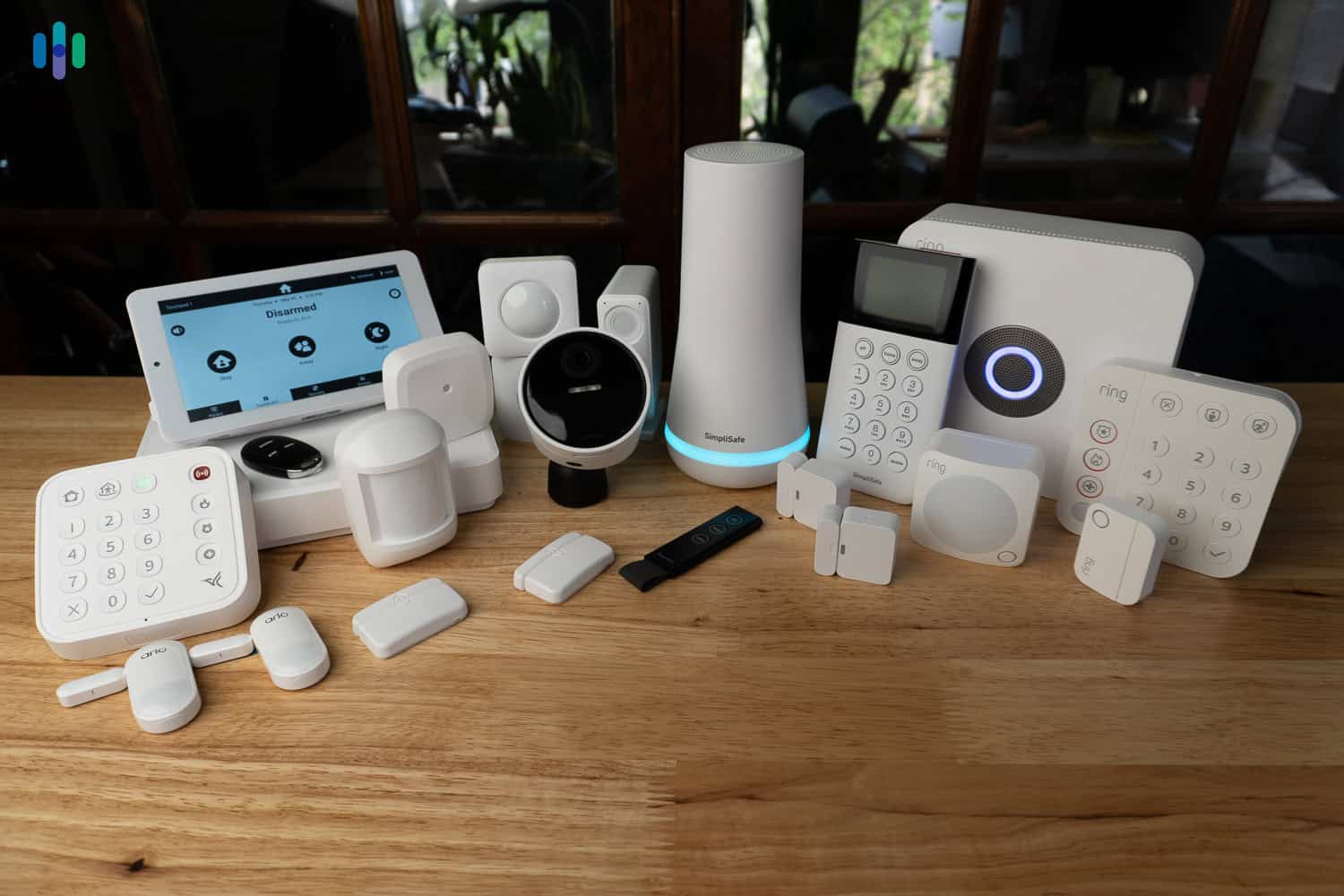
We evaluated the top contenders by putting them through a 30-day real-world trial. Rather than relying solely on manufacturer specs, we focused on how these systems behave in a typical home environment. Our testing prioritized four core areas: ease of installation, app reliability, monitoring accuracy, and smart home compatibility.
Installation was our first hurdle. We measured the time required to mount sensors and connect hubs without professional help. Systems like Ring Alarm and SimpliSafe stood out for their straightforward, tool-free setups, while others required more complex wiring or drilling. We also noted the clarity of the instruction manuals and the quality of the adhesive strips used for sensor placement.
App usability and monitoring reliability form the backbone of any security system. We tested response times for push notifications and checked for false alarms triggered by pets or environmental factors. We reviewed how quickly each app loaded live camera feeds and whether the interface allowed for easy arming and disarming. Professional monitoring services were assessed based on their customer support responsiveness and the clarity of their alert protocols.
Finally, we examined smart home integration. A security system should work with the devices you already own. We tested compatibility with major platforms like Amazon Alexa, Google Home, and Apple HomeKit. Systems that offered seamless automation—such as unlocking doors when the alarm is disarmed—scored higher in our evaluations.
Use this checklist to ensure your chosen system meets your needs:
-
Verify installation complexity matches your DIY comfort level
-
Test app responsiveness on your primary smartphone
-
Confirm compatibility with your existing smart home devices
-
Review monitoring contract terms and cancellation policies
-
Check for false alarm triggers from pets or HVAC systems
ADT: Best for professional monitoring
ADT remains the standard-bearer for professional monitoring in the home security market. With over 150 years of industry experience, the company has built a reputation for reliability that appeals to homeowners who prioritize peace of mind over DIY flexibility. While the upfront costs and long-term contracts are higher than many competitors, the trade-off is access to a massive, dedicated monitoring center that responds to emergencies around the clock.
The core advantage of ADT lies in its infrastructure. When a sensor triggers, the signal goes to a centralized command center staffed by trained professionals, not just an app notification on your phone. This layer of human verification can be critical during power outages or network failures, provided you have the cellular backup option included in most professional monitoring plans. For users who want a "set it and forget it" security posture, ADT’s ecosystem is the most mature and widely supported.
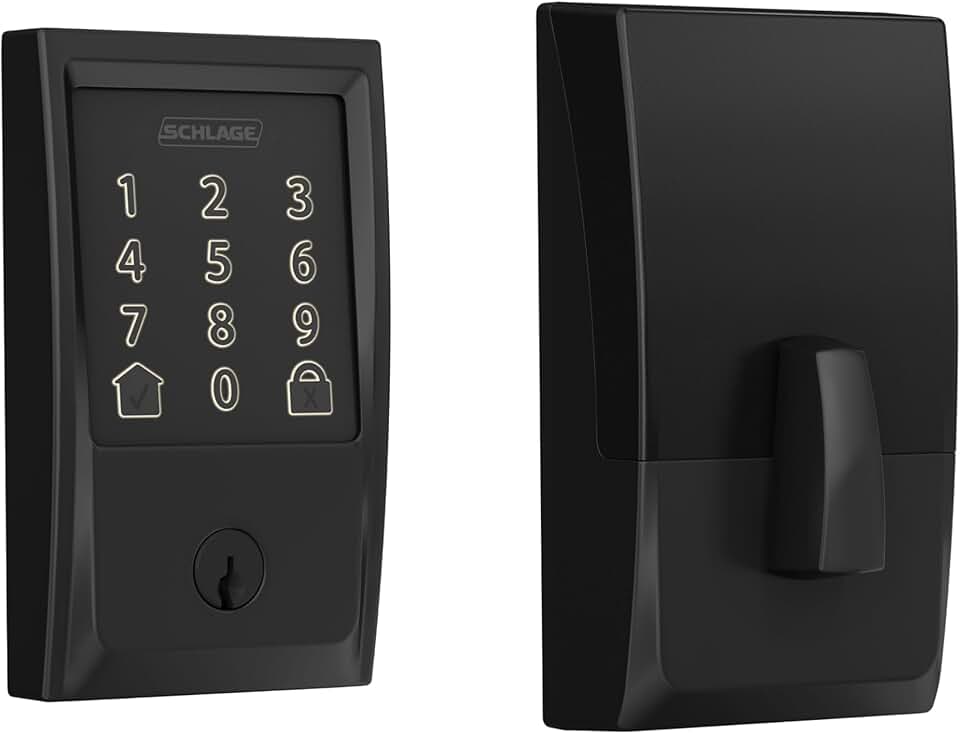
ADT’s hardware lineup includes a range of starter kits and add-ons available for purchase. These systems typically feature a central control panel, door and window sensors, motion detectors, and smart locks. While the equipment is proprietary, it is designed to integrate seamlessly with ADT’s proprietary monitoring software, ensuring that alerts are processed quickly and accurately.


As an Amazon Associate, we may earn from qualifying purchases.
Vivint: Best for smart home integration
Vivint stands out as the premier choice for homeowners who want their security system to act as the brain of their entire smart house. Unlike standalone alarm providers that treat smart devices as an afterthought, Vivint builds its ecosystem from the ground up to automate lights, locks, thermostats, and garage doors alongside security sensors.
The platform’s strength lies in its "Smart Home Command" features. When you arm the system for "Away" mode, it doesn’t just trigger sensors; it can automatically lock deadbolts, lower the thermostat to save energy, and turn off lights in unoccupied rooms. This level of automation requires professional installation and integration, which is why Vivint’s in-house technicians are a core part of the offering rather than an optional add-on.
While the system supports third-party devices like Google Nest and Samsung SmartThings, the most seamless experiences come from using Vivint’s proprietary hardware. The Vivint Doorbell Camera 2 and the Smart Lock Pro integrate directly with the control panel, allowing for one-touch arming and disarming routines that feel less like managing gadgets and more like a cohesive home environment.


As an Amazon Associate, we may earn from qualifying purchases.
SimpliSafe: Best no-contract option
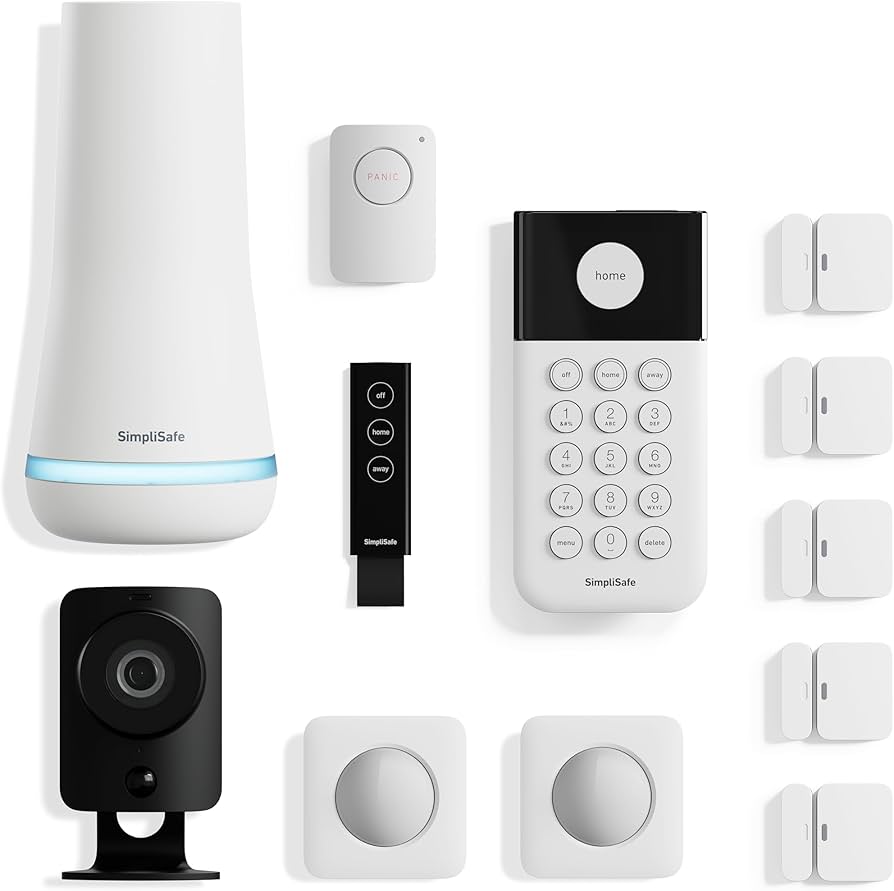
SimpliSafe remains the go-to choice for renters and homeowners who want professional security without tying themselves to a long-term agreement. Unlike traditional providers that lock users into three-year contracts, SimpliSafe operates on a month-to-month basis. This flexibility allows you to cancel or pause monitoring at any time, making it ideal for those who may move soon or want to keep costs low.
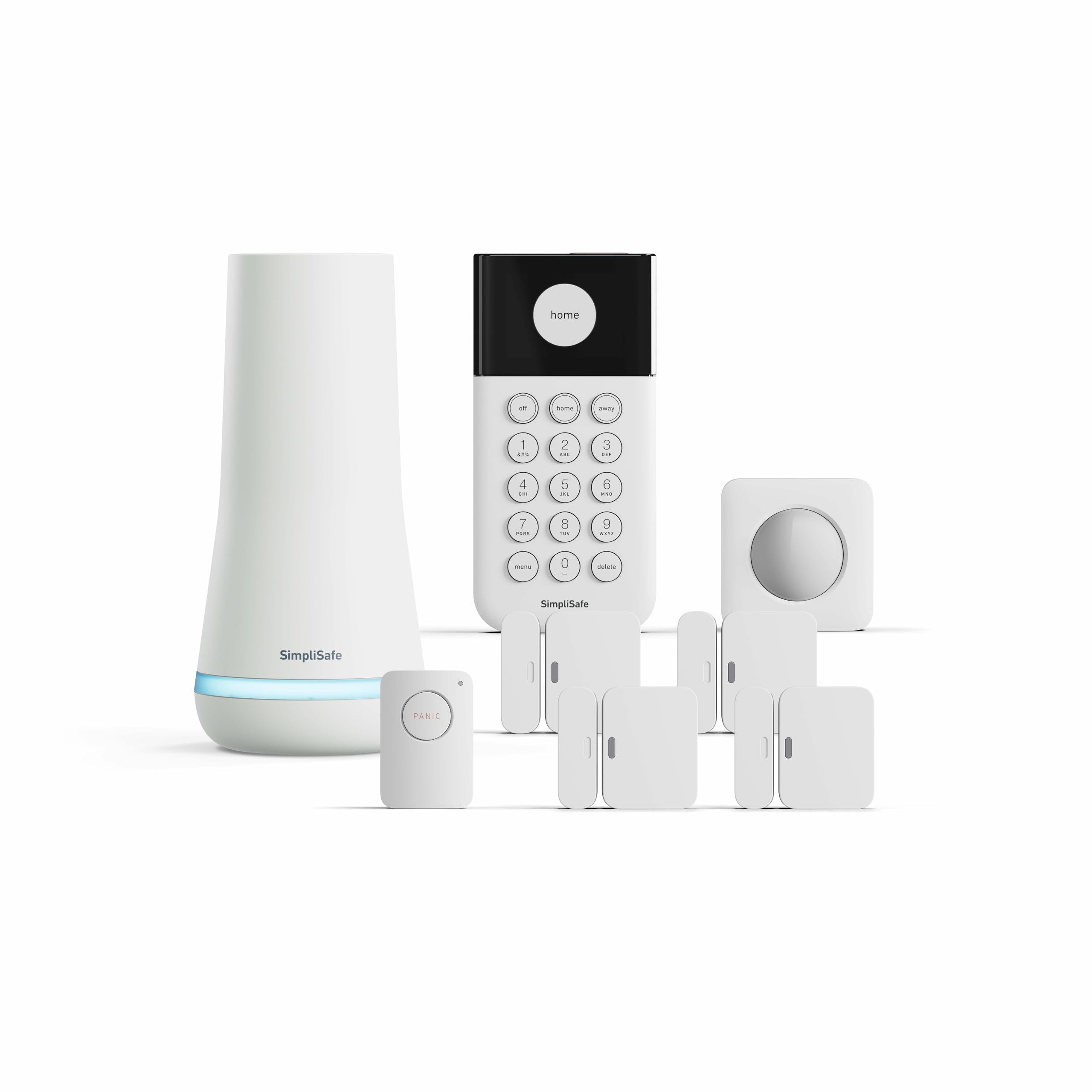
The system is designed for true DIY installation. Every component, from the base station to door sensors and motion detectors, uses simple adhesive strips or screw mounts. There is no need to drill holes or run complex wiring, which preserves security deposits in rental properties. The equipment is also portable; you can pack it up and reinstall it in your next home without paying for a technician visit.
SimpliSafe’s monitoring plans are straightforward, offering 24/7 professional monitoring through a central hub. The system supports a wide range of add-ons, including indoor cameras, smoke detectors, and water leak sensors. While the base kits are affordable, you can customize the coverage to fit your specific layout. For most users, the balance of ease, flexibility, and reliability makes it the strongest no-contract option available.

As an Amazon Associate, we may earn from qualifying purchases.
Ring Alarm: Best for Existing Ring Users
If your home already runs on Ring doorbells and cameras, Ring Alarm is the natural extension of that ecosystem. Rather than juggling separate apps for your doorbell, outdoor cameras, and security panel, Ring Alarm unifies everything under one interface. This integration reduces friction, letting you arm the system, view camera feeds, and check sensor status from a single dashboard.
The system works best as a modular toolkit. You can start with the base Ring Alarm kit, which includes the hub, keypad, contact sensors, and a motion detector. From there, you can add Ring indoor cameras or outdoor cameras directly to the alarm system. When the alarm is armed, the cameras switch to "smart alerts" mode, focusing only on detected people or packages to conserve battery and storage. This tight coupling is where Ring Alarm shines, offering a cohesive experience that standalone sensors simply cannot match.
While the hardware is accessible, the true value lies in the optional professional monitoring plan. For a monthly fee, Ring monitors your sensors and dispatches emergency services if needed. Without monitoring, the system still provides local alerts and camera recording, but the peace of mind comes from the professional layer. For households already invested in Ring, this creates a logical, scalable security stack that grows with your needs.


As an Amazon Associate, we may earn from qualifying purchases.
Compare top security systems side by side
Choosing the right home security system often comes down to balancing monthly monitoring costs, contract flexibility, and how the equipment gets installed. The table below breaks down the key differences between four of the most popular options: ADT, Vivint, SimpliSafe, and Ring Alarm.
| Brand | Monthly Cost | Contract | Installation |
|---|---|---|---|
| ADT | $24.99–$39.99 | 3 years | Professional |
| Vivint | $29.99+ | 24–60 months | Professional |
| SimpliSafe | $14.99–$22.99 | None | DIY or Pro |
| Ring Alarm | $10–$20 | None | DIY |
ADT and Vivint rely on professional installation and longer contracts to offer robust, professionally monitored service. SimpliSafe and Ring Alarm provide no-contract flexibility, allowing you to monitor your home with lower upfront commitments and simpler DIY setups. This comparison helps you weigh the trade-offs between long-term commitment and monthly savings.
Frequently asked questions about home security systems
What is the ADT monthly cost?
ADT's professional monitoring plans typically range from $24.99 to $39.99 per month. These fees cover 24/7 emergency response and are assigned automatically based on the components included in your system. For a breakdown of specific plan features, you can review US News Home Services.
Is DIY installation worth it?
Yes, if you value flexibility. Systems like SimpliSafe and Ring Alarm allow you to install sensors and cameras yourself in under an hour, saving on installation fees. This approach is ideal for renters or homeowners who want to customize their security layout without professional help.
Do I need professional monitoring?
Professional monitoring adds reliability during emergencies. While DIY apps send alerts to your phone, a monitoring center calls police or fire services if you don't respond. For most homeowners, the peace of mind from professional oversight justifies the monthly fee.
No comments yet. Be the first to share your thoughts!