

Start with your alarm system
A monitored alarm system is the first line of defense for your home. It acts as a visible deterrent and provides immediate alerts to you and emergency services if a breach occurs. Without this foundation, other security measures like cameras or smart locks lack the critical layer of active response.
Setting up your system correctly ensures it works when you need it most. Follow these steps to configure your alarm for maximum protection.
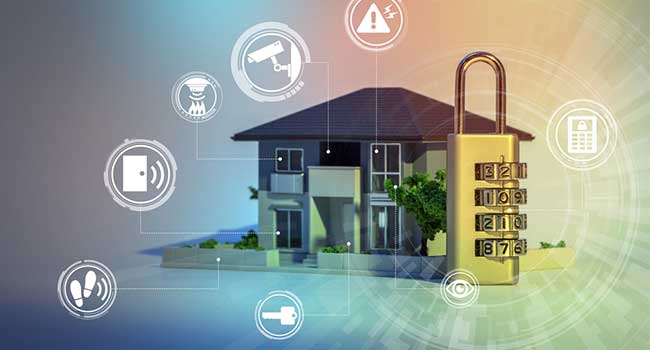
Opt for a professionally monitored system rather than a self-monitored one. Professional monitoring means a central station contacts emergency services if your sensors trigger, even if you are away or unable to respond. Look for systems that offer cellular backup to ensure connectivity if your internet goes down.
Install motion detectors in high-traffic areas like hallways and living rooms, but avoid placing them near heat sources or direct sunlight which can cause false alarms. Place door and window contacts on all exterior entry points, including garage doors and basement windows. Ensure sensors are positioned at the correct height and angle for optimal detection.
Test your alarm system monthly by triggering a sensor and verifying that the siren sounds and the monitoring center receives the signal. Check battery levels in all wireless sensors and the control panel backup battery. Replace batteries annually or when the system indicates low power to prevent failure during an emergency.
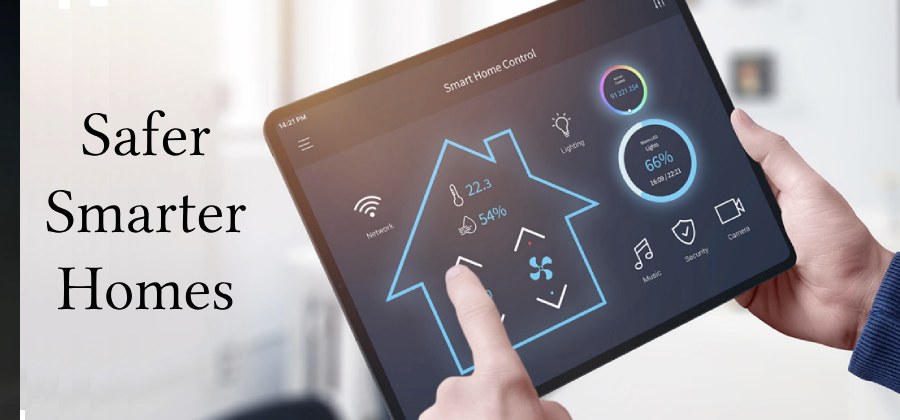
Change default PIN codes immediately after installation. Create unique, complex codes for each household member and avoid obvious numbers like birthdays or 1234. If a family member moves out or an employee leaves, change their code right away to maintain access control.


As an Amazon Associate, we may earn from qualifying purchases.
Investing in a reliable alarm system and configuring it properly provides peace of mind. It ensures that your home is protected by a proactive layer of security that operates around the clock.
Secure your smart home devices
Smart home devices are convenient, but they are also digital windows into your home. Attackers often target these IoT gadgets because they are frequently left with default passwords or outdated software, turning a smart bulb or camera into an easy entry point for hackers. To protect your family, you must treat every connected device with the same seriousness as a physical lock.
Every device ships with a factory username and password. These are public knowledge and the first thing attackers try. Log into each device’s app or web interface and replace these defaults with strong, unique passwords that you haven’t used elsewhere.
Two-factor authentication (2FA) adds a second layer of defense. Even if a password is stolen, the attacker cannot log in without the code sent to your phone or generated by an authenticator app. Enable this feature in the security settings of every smart home app you use.
Manufacturers release updates to patch security holes. Enable automatic updates whenever possible. If your device requires manual checks, set a monthly reminder to ensure the firmware is current. Outdated software is a primary vulnerability that malware exploits.

Most modern routers allow you to create a separate "guest" network. Connect all your smart home devices—lights, plugs, cameras, and speakers—to this network. This way, if one device is compromised, the attacker cannot jump to your main network where your personal computers and phones reside.
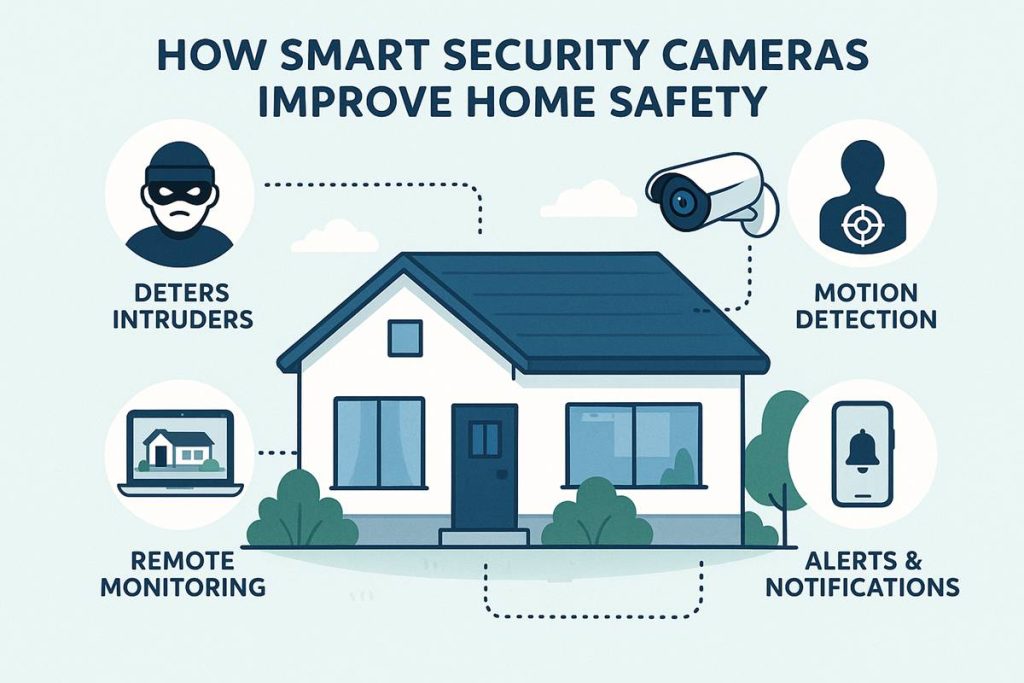
Features like voice assistants or remote access increase the attack surface. If you don’t use voice control on your smart speaker, disable it. Turn off remote access for devices you only use locally. The fewer features active, the fewer ways in for an attacker.
Lock down physical entry points
Digital alarms and smart sensors are only as strong as the physical barriers they monitor. An intruder can disable a wireless camera or jam a signal, but they cannot easily bypass a reinforced deadbolt or a solid-core door. Securing these entry points creates the first and most reliable line of defense for your home.
Reinforce exterior doors
The front door is the most common point of entry for burglars. Ensure every exterior door has a heavy-duty deadbolt with a throw of at least one inch. The strike plate—the metal piece on the door frame—should be secured with three-inch screws that reach into the structural stud behind the drywall. Standard short screws can be easily kicked out. For doors with glass panels, apply security film to the glass to prevent it from shattering easily when struck.
Secure windows and sliding glass doors
Windows are often overlooked but offer easy access. Install key-operated locks or pin locks on double-hung windows to prevent them from being forced open from the outside. For sliding glass doors, place a wooden dowel or a security bar in the bottom track. This simple, inexpensive tool prevents the door from sliding even if the lock is compromised or the glass is broken.
Check garage and basement access
Garages and basements often have secondary entry points that are less secure. Ensure garage doors have auto-reverse sensors and that the manual release is covered or secured so it cannot be reached through a small window. For basement windows, consider installing window wells with covers or grates if they are below ground level. Regularly inspect these areas for signs of wear or tampering.
Create a locking routine
Physical security measures fail if they are not used consistently. Establish a routine where you check all doors and windows before leaving the house and immediately upon returning. Make it a habit to lock every entry point, no matter how short your absence will be. This discipline ensures that your physical barriers are always active when you are vulnerable.
Practice personal safety habits
Home security measures are only effective if your daily behavior doesn’t undo them. Predators often look for predictable patterns or distracted targets. By varying your routines and staying alert, you remove the element of surprise that attackers rely on.
Be aware of your surroundings. Look around you and notice who is nearby. Carry a whistle on a keychain or keep your phone accessible. If you feel unsafe, trust your instincts and move toward a public area or well-lit space. Don’t let yourself be taken by surprise.
Avoid predictable routines. Vary your times and routes when commuting or walking. Keep a low profile, especially in areas with higher crime rates. Pre-plan your trips so you aren’t fumbling with keys or maps while exposed. Even if you’re rushed, take a moment to look around before getting into your car.
Secure your vehicle at all times. Always lock your doors, even when parked in a garage or driveway. Keep personal information private and don’t leave valuables visible inside. Report suspicious solicitors or individuals loitering near your home or car. These small habits create layers of protection that complement your physical security systems.
Common security mistakes to avoid
Even with modern technology, simple human errors often leave homes and families vulnerable. The most effective security strategy relies on consistent habits rather than expensive gadgets. Below are the most frequent oversights that undermine your safety efforts, organized by the area of impact.
Alarm and IoT oversights
Many homeowners install smart devices but fail to secure the network they run on. Leaving default passwords on cameras or Wi-Fi routers is an open invitation for intruders. Regularly update firmware and use strong, unique passwords for every connected device.
Another common error is disabling alarms "just for tonight." Inconsistency creates patterns that criminals can exploit. Ensure every entry point triggers the system and that you have a reliable power backup for outages.
Physical security gaps
Weak locks are the easiest point of entry. If your deadbolts are old or your strike plates are short screws, a simple kick can break through. Upgrade to Grade 1 or 2 deadbolts with 3-inch screws that anchor into the wall framing, not just the trim.
Personal safety habits
Routine is a security risk. Varying your travel times and routes makes you harder to track. Avoid displaying valuable items in your car and always lock doors, even in familiar neighborhoods.
Being aware of your surroundings is critical. Keep your head up and avoid distractions like phones when walking alone. Trust your instincts; if a situation feels unsafe, leave immediately.
Summary of fixes
| Mistake | Risk Level | Corrective Action |
|---|---|---|
| Default passwords | High | Change immediately to strong, unique strings |
| Disabling alarms | High | Keep system active; use backup power |
| Weak door locks | Medium | Install Grade 1 deadbolts with long screws |
| Predictable routines | Medium | Vary times and routes for daily travel |
| Visible valuables | Low | Remove items from sight in parked cars |
Frequently asked questions about security tips
Here are answers to common questions about protecting your home and family.
No comments yet. Be the first to share your thoughts!