
Beyond Faster Downloads: Why 5G Changes Home Security
Faster internet used to just mean streaming movies and video calls. But 5G is different, especially for home protection. It's not just a speed upgrade; it's a fundamental shift in wireless communication, offering lower latency and much more bandwidth. This changes home security technology.
Most wireless alarm systems use Wi-Fi. It's convenient, but Wi-Fi gets congested, especially with many devices. This causes delays in alerts or system control and makes it vulnerable to interference. 5G avoids these issues with a dedicated, reliable connection. It’s not just "Wi-Fi 2.0".
The main benefits go beyond faster downloads to real-time responsiveness. With video surveillance, quicker data transfer means clearer, immediate footage. Faster connections also mean quicker alerts from triggered sensors. Even fractions of a second matter in a security event. We're moving from just recording an event to actively preventing one.

The Latency Problem: Why Speed Isn't Everything
Bandwidth gets attention, but latency matters more for home security. Latency is the delay between sending and receiving a signal. It’s the time for a command to go from your phone to your security system and back. High latency means slow response times, making a system ineffective in a critical situation.
Low latency is essential for security systems to provide real-time alerts, remote control of smart locks, and immediate access to live video feeds. A delay of even a few seconds can mean the difference between preventing a break-in and just recording it. Palo Alto Networks notes 5G delivers latency as low as 1 millisecond, a huge improvement over 4G’s 50-100 milliseconds and typical Wi-Fi latency, which fluctuates greatly.
Imagine a sensor detecting motion. With 5G, the alert reaches your phone almost instantly. With older tech, that alert might be delayed enough for an intruder to already be inside. This isn't just about faster response times; it's about the system working as intended, reliably and proactively.
5G and Wireless Security Systems: A New Level of Reliability
A big advantage of 5G for wireless alarm systems is better reliability. Traditional systems often use landlines or broadband internet, both vulnerable to outages. Power outages knock out broadband, and landlines are becoming obsolete. 5G offers a resilient alternative on a separate cellular network.
This is valuable for people in areas prone to natural disasters like hurricanes or wildfires, where power and internet outages are common. A 5G-connected security system keeps working even when other communication methods fail, providing continuous protection. Cellular backup isn't new, but 5G makes it much more robust.
The difference between 4G LTE-based cellular backup and 5G is significant. 5G's increased bandwidth and lower latency transmit more data reliably, supporting higher-resolution video streams and complex security features. Independence from local internet infrastructure is a major selling point for many homeowners.
Security Concerns with 5G: Addressing the Risks
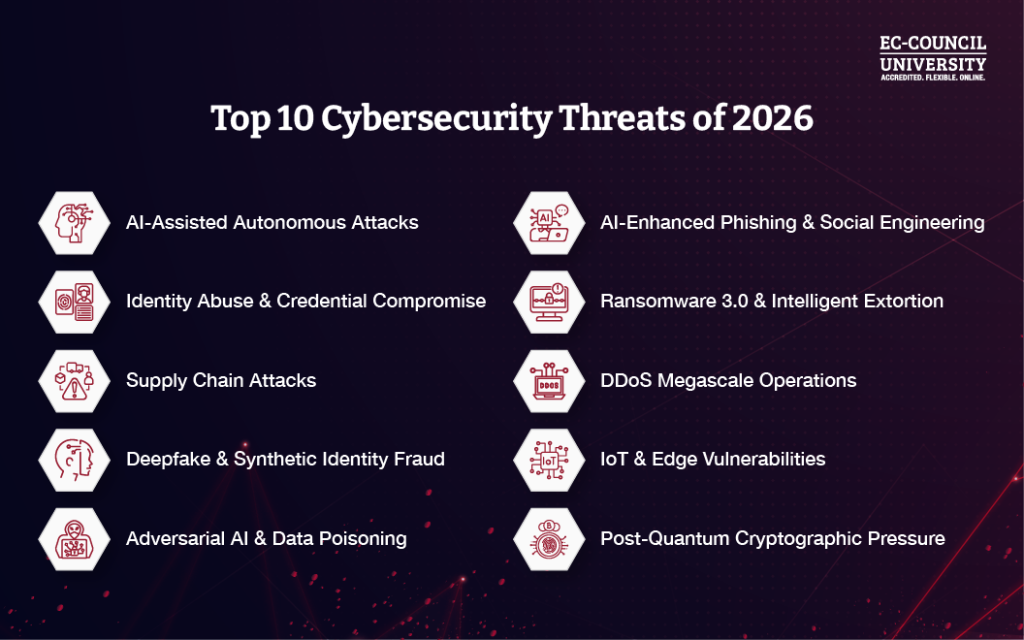
While 5G offers security benefits, it has concerns. The Cybersecurity and Infrastructure Security Agency (CISA) highlighted potential vulnerabilities in 5G networks, including risks with network slicing and supply chain complexity. Network slicing, a 5G feature, lets operators create virtual networks for specific needs, but it also introduces new attack surfaces.
Supply chain security is another concern. Relying on a few vendors for 5G infrastructure creates a potential single point of failure. Government agencies raised concerns about foreign influence and potential backdoors in hardware. 5G networks' complexity also makes them harder to secure, requiring advanced measures and expertise.
Security providers are working to mitigate these risks. They implement robust encryption protocols, enhance network segmentation, and diversify the supply chain. Regular security audits and vulnerability assessments are also crucial. It's a constant arms race, but the industry takes these threats seriously. No network is completely immune to attack.
5G-Enabled Security Features: What to Expect in 2026
By 2026, expect more advanced security features powered by 5G. Advanced video analytics, using AI to analyze video streams in real-time, is promising. This could include object recognition (identifying people, vehicles, or animals), anomaly detection (flagging unusual activity), and facial recognition (with privacy safeguards).
Drone-based security patrols are another potential application. 5G’s high bandwidth and low latency let drones stream high-definition video and respond quickly to alerts. Drones could investigate alarms, monitor large properties, or provide aerial surveillance during emergencies. Regulatory hurdles for widespread drone use are still being worked out, but the technology is maturing fast.
undefined cameras, motion sensors, door/window sensors – to create a more holistic view of security.
Choosing a 5G Security System: What to Look For
If you’re considering a 5G security system, there are several key factors to keep in mind. First, ensure compatibility with your existing devices. Not all security systems are designed to work with 5G, so check the specifications carefully. It’s also important to understand the provider’s data privacy policies. How do they collect, store, and use your data?
The provider’s security track record is another crucial consideration. Have they experienced any data breaches or security incidents in the past? What measures do they have in place to protect your data? Don’t hesitate to ask tough questions. Also, consider the total cost of ownership, including monthly fees, equipment costs, and potential installation charges.
Look for systems that offer end-to-end encryption and two-factor authentication. These features add an extra layer of security, protecting your data from unauthorized access. Finally, read reviews from other customers to get a sense of their experience with the provider and the system.
The Future of 5G Security: Beyond 2026
Looking beyond 2026, the convergence of 5G, AI, and edge computing will unlock even more advanced security capabilities. Edge computing, which involves processing data closer to the source, will reduce latency and improve responsiveness. AI will play an increasingly important role in threat detection and prevention, automating security tasks and identifying emerging threats.
The eventual rollout of 6G technology will further enhance these capabilities, offering even faster speeds and lower latency. We might see entirely new security applications emerge, such as holographic security systems or real-time threat intelligence sharing. However, these advancements will also bring new challenges, such as the need to secure a more complex and interconnected network.
Ultimately, the future of 5G security is about creating a more proactive and intelligent security ecosystem. It’s about moving beyond simply reacting to threats to anticipating and preventing them. While the technology is constantly evolving, the fundamental goal remains the same: to protect your home and family.
Open source reporting in Detroit that jammers are being used by internationals criminal groups to target high end homes to bypass wireless alarm systems.
— RetirednUSA (@RetirednU) March 9, 2024

No comments yet. Be the first to share your thoughts!