
How we tested these security systems
We spent months evaluating dozens of home security kits to determine which systems deliver the best balance of safety, reliability, and ease of use. Our testing methodology prioritizes real-world performance over marketing claims, focusing on three core pillars: connection stability, user interface clarity, and the quality of professional monitoring services.
To assess reliability, we installed each system in different home environments, monitoring for false alarms and connectivity drops during Wi-Fi outages. We evaluated the ease of use by testing the mobile apps and control panels with non-technical users, ensuring that arming, disarming, and viewing live feeds are intuitive. For professional monitoring, we verified response times and protocol accuracy by triggering sensors and observing how quickly and correctly monitoring centers escalated alerts.
Note on testing methodology: We prioritize systems with verified professional monitoring and low false alarm rates.
Our findings align with evaluations from major tech reviewers. Wirecutter’s testing highlighted the Ring Alarm Pro and standard Ring Alarm for their performance and ease of use in DIY setups 1. Similarly, SafeHome.org ranked ADT, SimpliSafe, and Vivint as top contenders after extensive field testing 2. CNET’s review process also emphasized reliability and safety as the primary differentiators among the top-performing systems 3.
ADT: Best for professional monitoring
ADT remains the standard for homeowners who prioritize established professional monitoring and reliability over DIY setup. After months of testing, security experts at SafeHome.org rank ADT alongside SimpliSafe and Vivint as one of the top three home security systems of 2026, citing its extensive infrastructure and long-standing market presence as primary drivers of its reliability.
The core advantage of ADT lies in its 24/7 central monitoring centers, which have operated for decades. Unlike systems that rely on app-only alerts, ADT’s monitoring team actively contacts emergency services when sensors are triggered, providing a layer of oversight that many users find essential for peace of mind. This professional oversight is particularly valuable for households with elderly members or those who travel frequently.
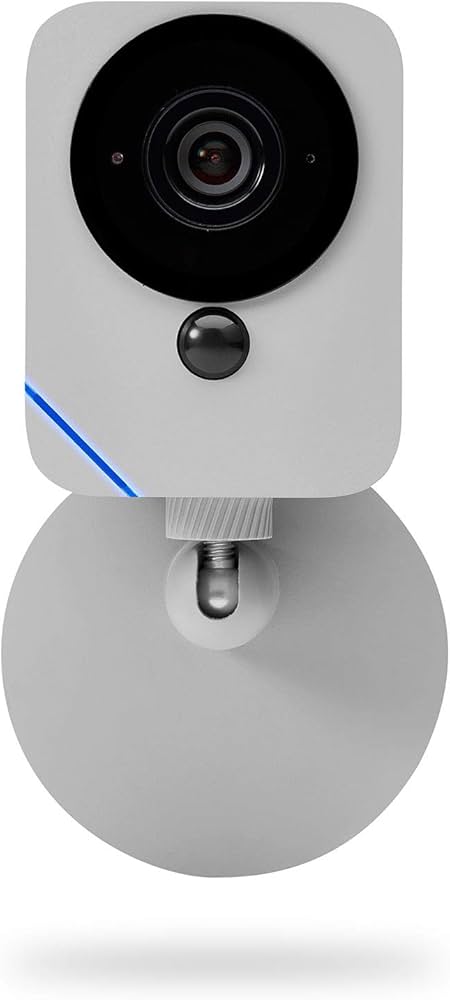
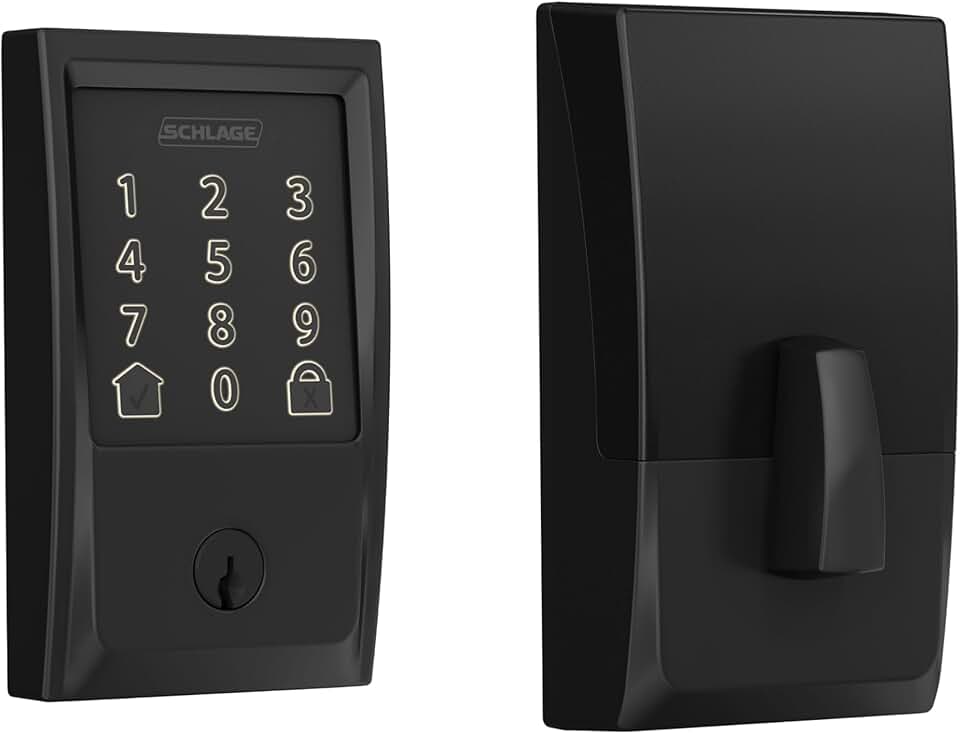
While ADT is known for its comprehensive, professionally installed kits, it also offers compatible devices that can integrate with existing smart home ecosystems. The system supports a wide range of sensors, cameras, and smart locks, allowing for scalability as security needs change. For those ready to commit to a monitored solution, several ADT-compatible security kits are available for purchase, offering a mix of core sensors and control panels.

As an Amazon Associate, we may earn from qualifying purchases.
SimpliSafe: Best DIY wireless system
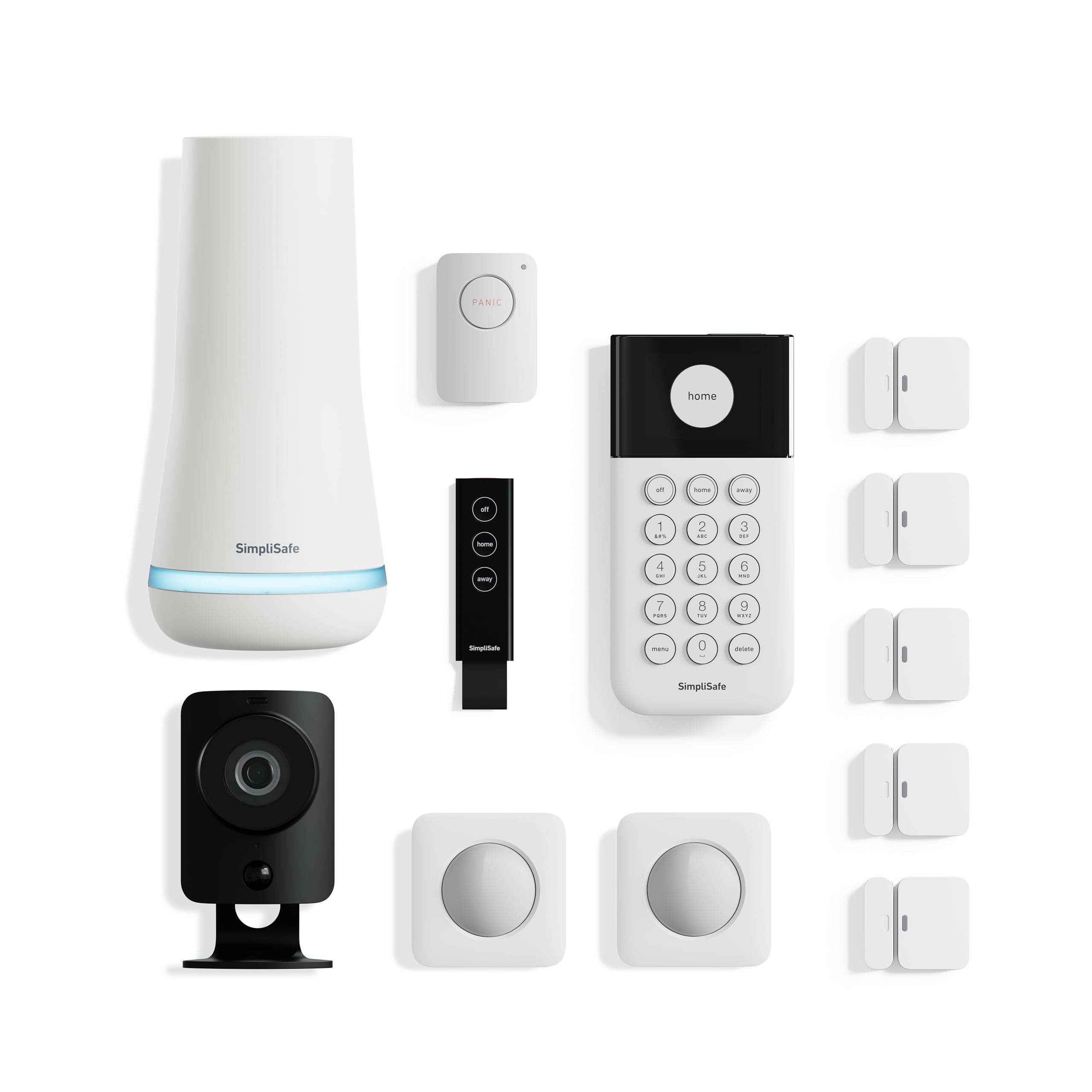
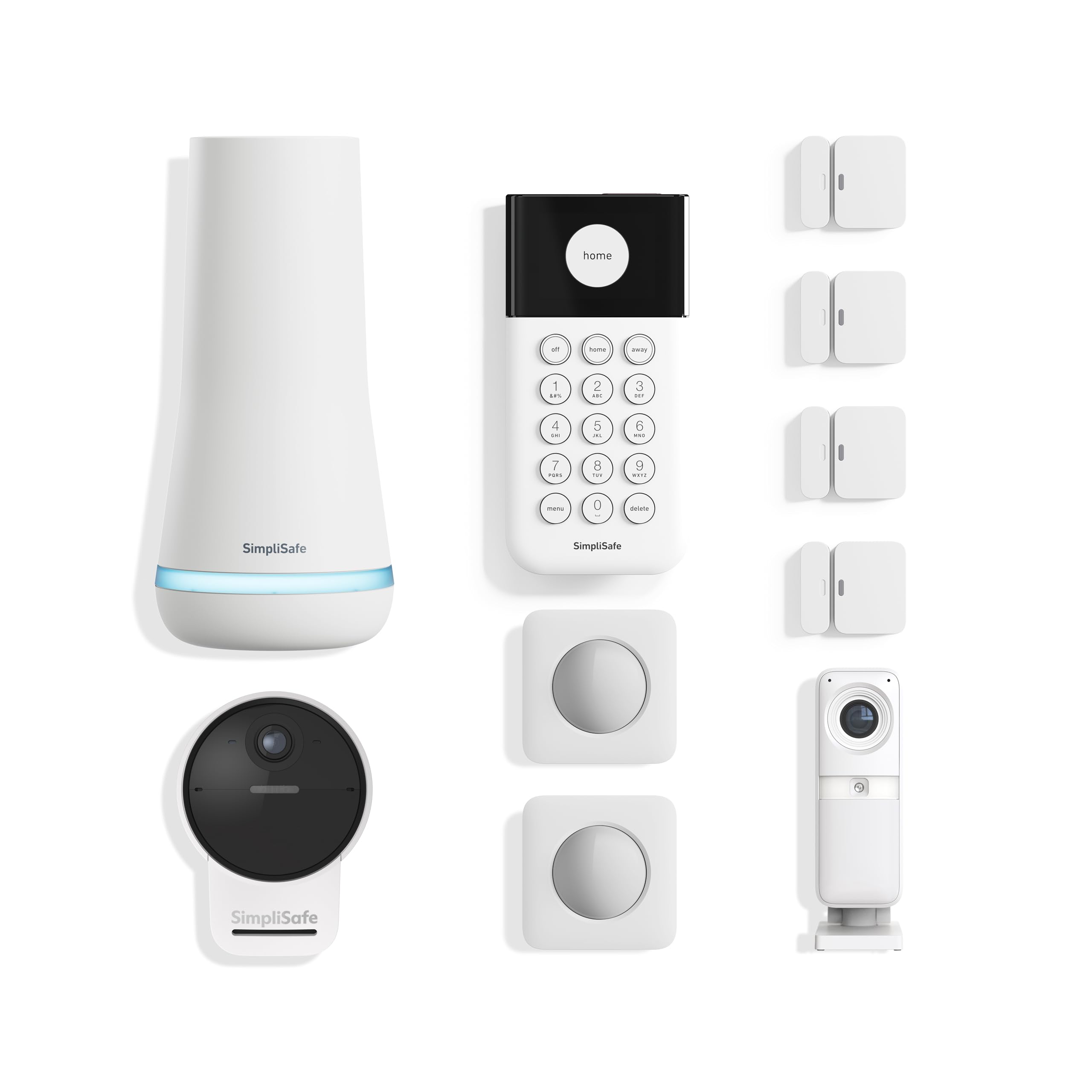
SimpliSafe stands out as the leading choice for renters and homeowners who prioritize flexibility without long-term commitments. As one of the most trusted names in the industry, it offers a fully wireless, DIY installation process that requires no drilling or professional wiring. The system is designed to be moved easily, making it ideal for those who may relocate or want to reconfigure their security layout as needs change.
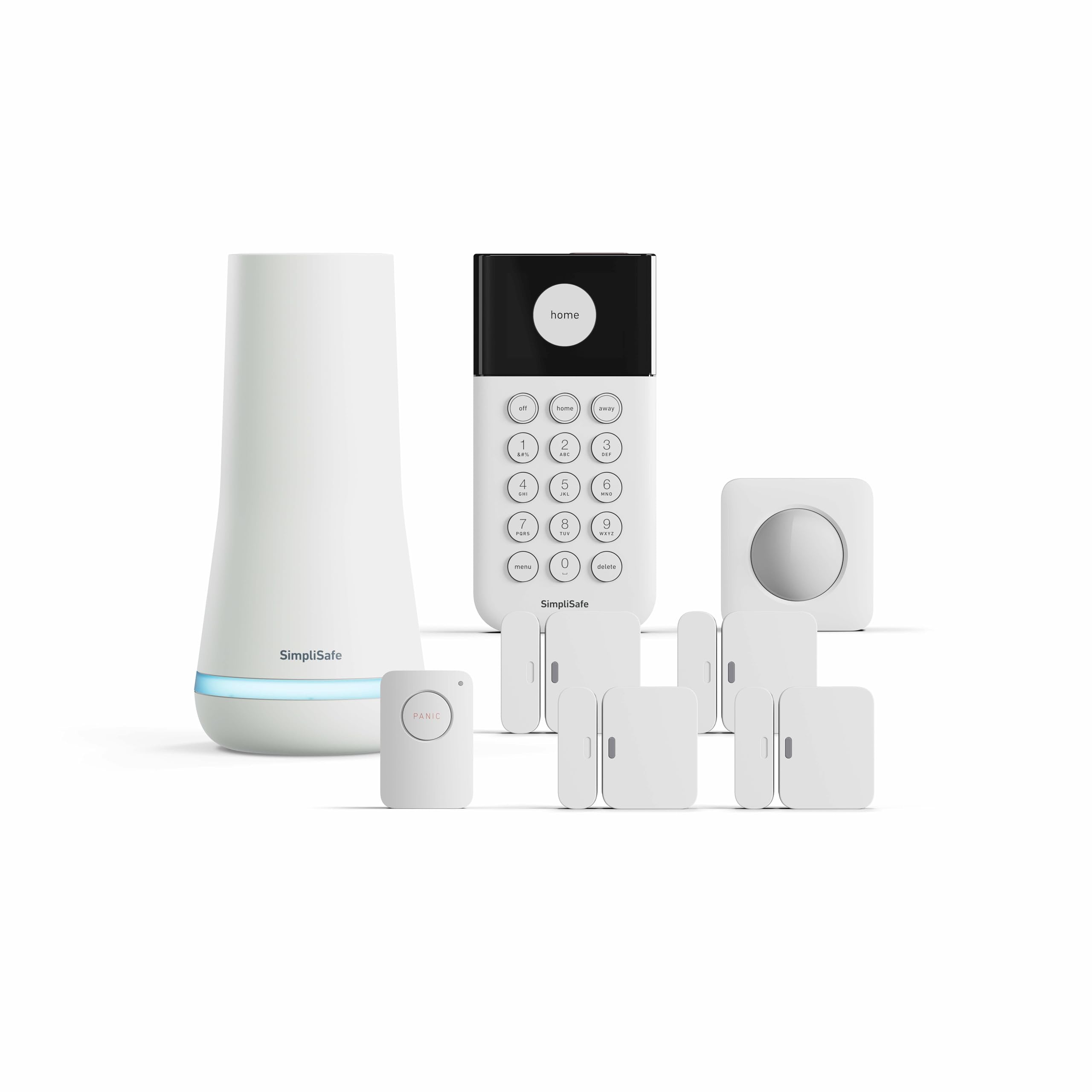
The hardware is robust and reliable, featuring a base station, entry sensors, motion detectors, and a keypad that can control the system from anywhere in the home. Unlike many competitors, SimpliSafe does not require a monthly monitoring contract to function; you can self-monitor using the mobile app for free. For those who want professional oversight, optional 24/7 monitoring is available on a month-to-month basis, allowing users to cancel at any time without penalty.
Expert testing from sources like SafeHome and Wirecutter consistently highlights SimpliSafe for its ease of use and straightforward setup. The components snap into place with adhesive strips, and the app guides users through each step. This approach removes the friction of traditional security installations, providing peace of mind without the hassle of scheduling technician visits or signing multi-year leases.
As an Amazon Associate, we may earn from qualifying purchases.
Ring Alarm: Best for smart home integration
Ring Alarm stands out as the ideal choice for users already invested in the Amazon and Alexa ecosystem. It offers seamless integration with thousands of smart home devices, allowing you to automate security responses alongside your daily routines. If you rely on Alexa for lighting, climate, or entertainment, Ring Alarm fits naturally into that infrastructure without adding friction.
The system includes two main options: the standard Ring Alarm kit and the Ring Alarm Pro. The Pro model includes a built-in Wi-Fi 6 router, which provides a dedicated backup internet connection for your security system if your primary internet goes down. This ensures your sensors and cameras stay connected even during power outages or ISP failures. Both kits are DIY-friendly, requiring no professional installation or long-term contracts.
Ring’s strength lies in its interoperability. You can create custom Alexa routines that trigger security actions based on other smart devices. For example, you can set your lights to flash when a door sensor opens, or have your smart locks engage automatically when you arm the system. This level of automation is difficult to match with systems that operate in isolation.


As an Amazon Associate, we may earn from qualifying purchases.
Vivint: Best for Smart Home Automation
Vivint stands out as the premium choice for homeowners who want a fully integrated smart home ecosystem. Unlike DIY kits that require you to source and connect devices yourself, Vivint provides a professionally installed, unified platform that manages security, lighting, climate, and entertainment from a single interface. The system is designed for users who prioritize convenience and deep automation over the lowest possible upfront cost.
The hardware is built around Vivint’s proprietary smart hub, which communicates with a wide range of compatible devices including door locks, thermostats, cameras, and sensors. This integration allows for complex automations, such as locking doors and adjusting the thermostat when you leave home. Professional installation ensures that all components are properly configured and tested, reducing the technical burden on the user.
While the system offers robust features, it comes with a higher price point compared to self-monitored alternatives. Vivint typically requires a long-term contract and professional monitoring fees, making it a commitment rather than a casual purchase. However, for those seeking a "set it and forget it" solution with high-end aesthetics and reliability, the investment often pays off in peace of mind and seamless operation.
![SmartThings Hub 3rd Generation [GP-U999SJVLGDA] Smart Home Automation Hub Home Monitoring Smart Devices - Alexa Google Home Compatible - Zigbee, Z-Wave, Cloud to Cloud Protocols – White](https://m.media-amazon.com/images/I/614d2lQP0hL._AC_UL960_QL65_.jpg)


As an Amazon Associate, we may earn from qualifying purchases.
Home Security System Comparison
Choosing the right system depends on your preference for professional monitoring versus DIY installation. The table below compares the core features, contract requirements, and best-use cases for the top-rated systems identified in expert testing.
| System | Monitoring | Contract | Best For |
|---|---|---|---|
| ADT | Professional (24/7) | 3-year standard | Large homes needing reliability |
| SimpliSafe | Professional or Self | None required | Renters and DIY users |
| Ring Alarm | Professional or Self | None required | Existing Ring ecosystem users |
| Vivint | Professional (24/7) | 20+ year terms possible | Smart home integration |
ADT remains the standard for professional monitoring with extensive dealer networks, though it typically requires a long-term contract. SimpliSafe and Ring offer flexible self-monitoring options, making them ideal for renters or those avoiding long commitments. Vivint stands out for advanced smart home automation, though its installation is exclusively professional.
Choosing the right home protection plan
Selecting a home security system requires matching your specific living situation and technical comfort level with the right provider. There is no single best system for every household; the right choice depends on whether you rent or own, your preference for DIY installation versus professional monitoring, and your budget constraints.
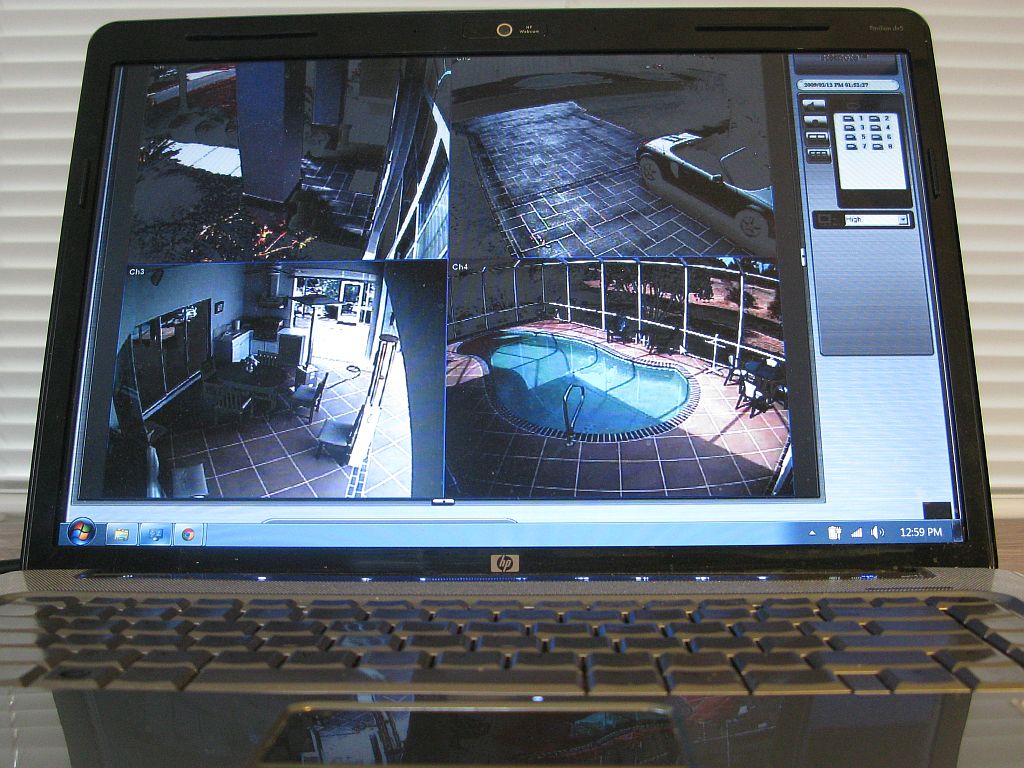
Renters often need portable, non-permanent systems that don’t require drilling or wiring. DIY-friendly options like SimpliSafe or Ring Alarm are ideal for renters because they can be easily removed when you move. Homeowners with complex layouts may prefer professional installations that integrate deeply with existing smart home infrastructure.
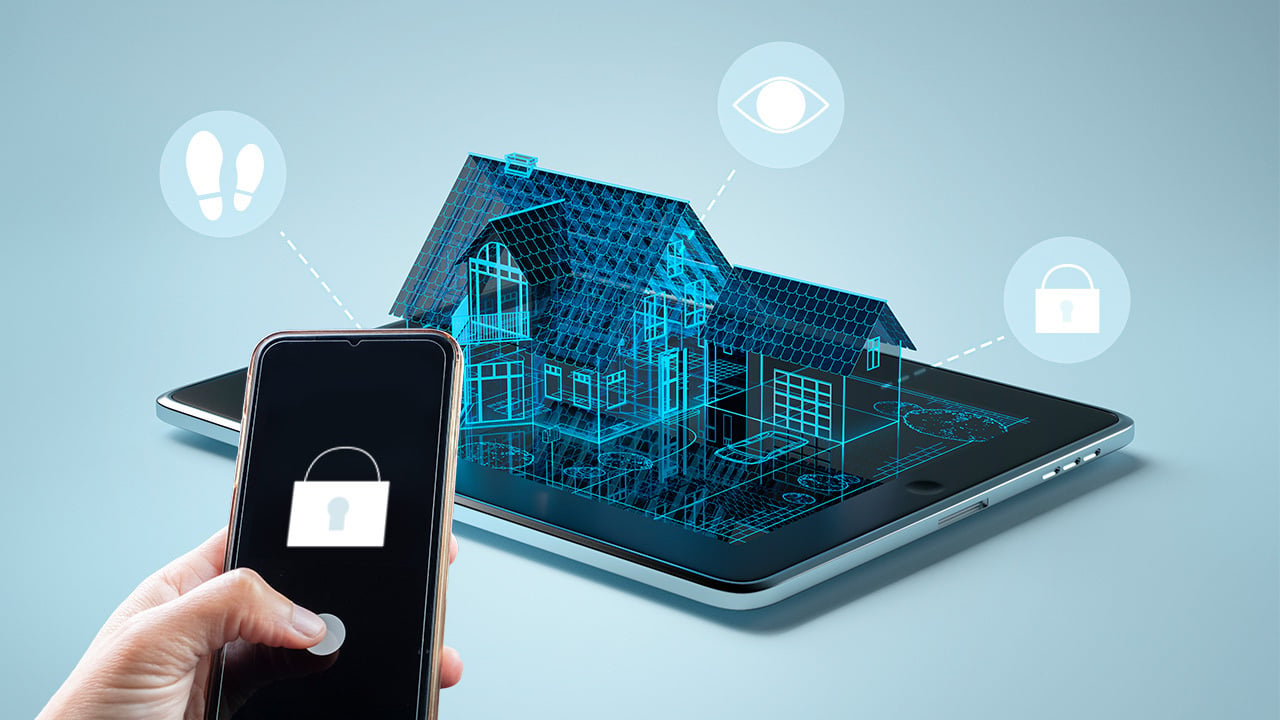
Decide between self-installation and professional setup. DIY systems offer lower upfront costs and immediate control, while professional services like ADT or Vivint provide expert calibration and often include maintenance support. Consider your comfort with technology and the complexity of your home’s layout when making this choice.
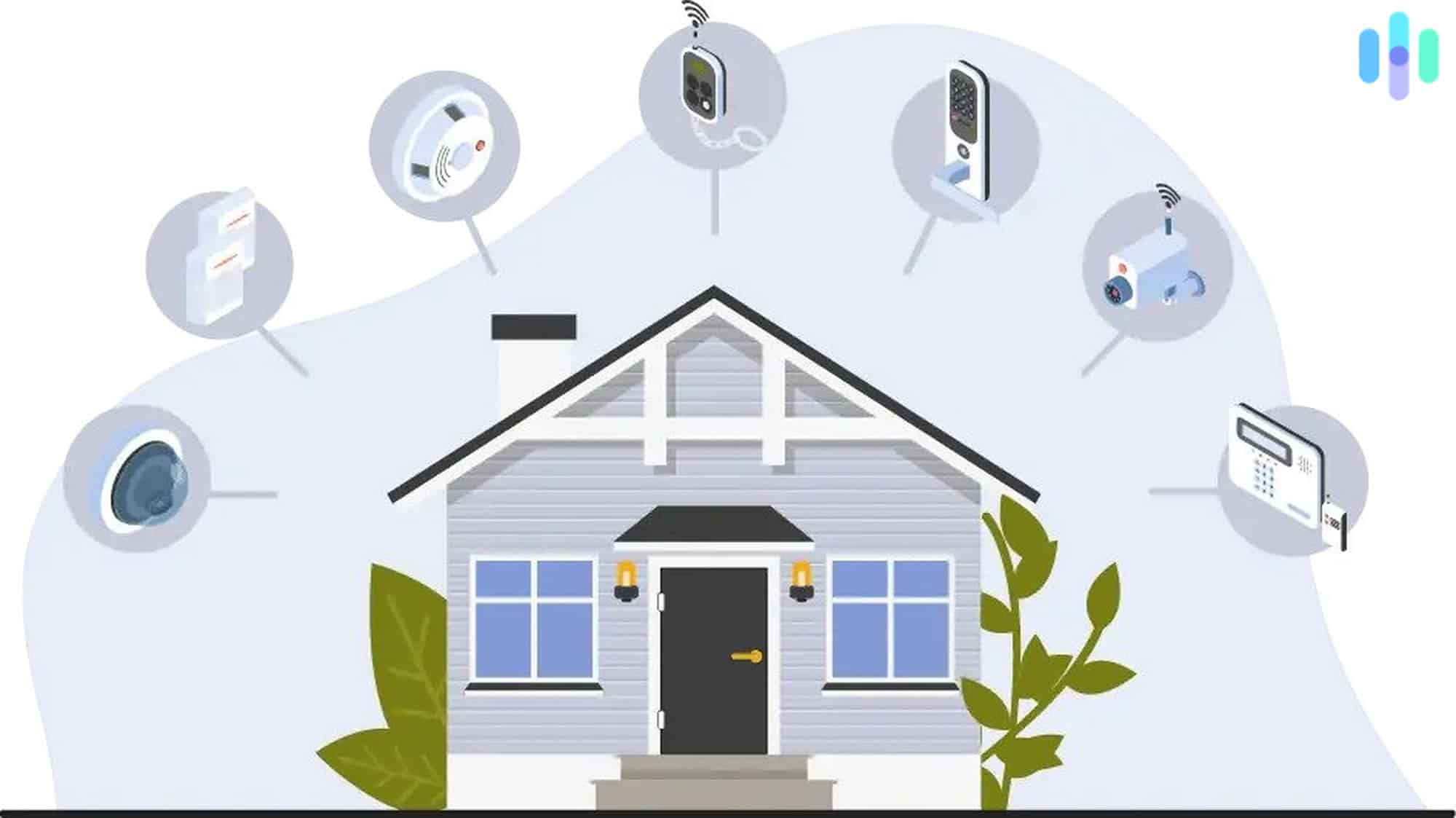
Determine if you need 24/7 professional monitoring or if self-monitoring via a smartphone app suffices. Professional monitoring ensures authorities are alerted in emergencies, but it usually involves a monthly contract. Weigh this against the cost and your need for advanced features like video storage, smart locks, or environmental sensors.
Frequently asked questions about security reviews
Which home security company is most trusted?
Trust in home security providers comes from consistent performance and reliable monitoring. According to SafeHome, Wirecutter, and CNET, the most trusted companies include ADT, SimpliSafe, Vivint, and Ring. These brands consistently rank highest in expert testing for reliability, customer service, and ease of use.
How do experts conduct security system reviews?
Our review process involves testing dozens of kits to evaluate safety and reliability. We assess installation difficulty, app functionality, sensor accuracy, and monitoring response times. This hands-on testing ensures we recommend systems that deliver real protection, not just marketing promises.
How much does professional security monitoring cost?
Professional monitoring fees vary by provider and contract length. ADT and Vivint typically require long-term contracts with higher monthly fees, while SimpliSafe and Ring offer flexible, month-to-month options. DIY systems generally cost less upfront but may require self-monitoring or third-party professional monitoring subscriptions.
No comments yet. Be the first to share your thoughts!