
Pick the right security system for your home
Choosing a home security system depends on how much control you want over installation and monitoring. The market splits into three main paths: DIY systems you set up yourself, professionally installed systems managed by a company, and AI-driven systems that use smart sensors to reduce false alarms.
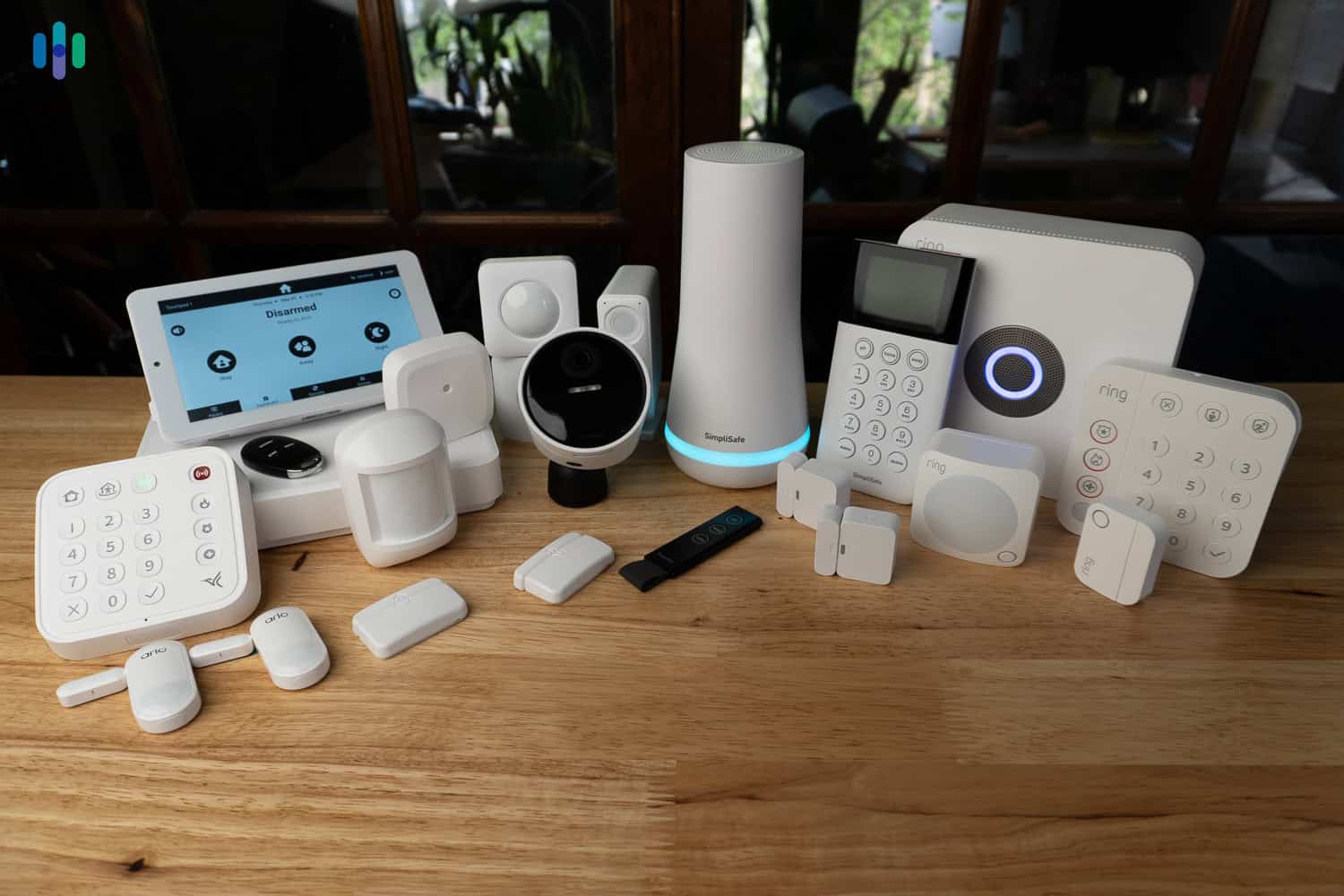
DIY systems like SimpliSafe and Ring Alarm offer flexibility and lower upfront costs. You mount the sensors and connect the hub in an afternoon. These systems are ideal for renters or homeowners who prefer to handle maintenance without scheduling service calls.
Professional systems such as ADT and Vivint include expert installation and 24/7 monitoring. They cost more in monthly fees but provide peace of mind for those who want a hands-off approach. These systems often integrate deeply with smart home ecosystems and offer advanced response protocols.
AI-powered features are becoming standard in modern security hubs. They distinguish between pets, people, and environmental changes, significantly cutting down on false alarms. This technology helps monitoring centers respond faster to real threats without dispatching police for a swinging tree branch.
When comparing home security systems, look beyond the hardware. The monitoring service, customer support quality, and contract terms often matter more than the sensors themselves. A robust system is only as good as the team responding to its alerts.
Home security systems compared: cost, contract, and installation
Choosing the right home security system depends on how you balance upfront equipment costs, monthly monitoring fees, and installation preferences. The table below compares the most popular options across these critical factors.
| System | Monthly Cost | Contract Length | Installation |
|---|---|---|---|
| ADT | $24.99+ | 3 years | Professional |
| SimpliSafe | $14.99+ | None | DIY |
| Vivint | $29.99+ | 24 months | Professional |
| Ring Alarm | $10+ | None | DIY |
ADT remains the industry standard for professional monitoring, offering robust 24/7 support but requiring a long-term contract and professional installation. SimpliSafe and Ring Alarm appeal to renters and DIY enthusiasts with no-contract plans and easy self-setup, though their monitoring tiers are more basic. Vivint targets homeowners willing to pay a premium for integrated smart home features and professional installation.
AI features that actually improve safety
Basic motion sensors detect movement but cannot distinguish between a swinging tree branch and an intruder. Modern home security systems use artificial intelligence to analyze video feeds in real time, filtering out environmental noise and false alarms. This shift from simple detection to intelligent recognition is where the premium cost begins to pay off in reduced stress and more reliable alerts.
Person and package detection
The most practical AI feature is person detection. Instead of triggering an alarm every time a car drives by or a pet walks past the camera, the system identifies human shapes. This ensures you only receive notifications when someone is actually at your door or near your property. For many homeowners, this accuracy is the primary reason to upgrade from older sensor-based setups.
Package detection is another specific AI capability that addresses a common pain point. Cameras are trained to recognize the shape and size of delivery boxes. When a package is placed on your porch, you get an instant alert. This feature helps deter porch pirates and gives you peace of mind knowing exactly when deliveries arrive, even if you are at work.
Facial recognition and smart alerts
Some advanced systems offer facial recognition, allowing you to whitelist family members and regular visitors. The system learns faces over time and stops sending alerts for known individuals. This reduces "alert fatigue," ensuring you only pay attention to notifications from strangers or unknown vehicles. It turns your security system into a smart gatekeeper rather than just a noise maker.
DIY systems versus professional monitoring
Choosing between a do-it-yourself setup and a professionally installed system comes down to two factors: how much control you want over your equipment and how much you are willing to pay in monthly fees. Both options protect your home, but they handle the work differently.
DIY systems like SimpliSafe, Ring Alarm, and Wyze are designed for renters and homeowners who want flexibility. You buy the equipment, snap the sensors to your walls with adhesive strips, and connect them to your Wi-Fi. If you move, you take the system with you. The trade-off is that you are responsible for troubleshooting connectivity issues and replacing batteries yourself. These systems often offer self-monitoring via smartphone apps, which keeps monthly costs low or nonexistent, though you lose the 24/7 safety net of a call center.
Professional monitoring involves a technician coming to your home to hardwire or securely mount every component. This eliminates guesswork and ensures sensors are placed optimally for coverage. The downside is the upfront installation fee and higher monthly contracts. Companies like ADT and Vivint typically require long-term agreements, and their monitoring plans start around $25 to $45 per month. However, if a sensor trips, a professional dispatch center calls you and emergency services immediately, which can be critical in an emergency.
For most people, the decision hinges on technical comfort. If you are handy and want to avoid long-term contracts, a DIY system is sufficient for standard home security systems. If you prefer a "set it and forget it" approach and want guaranteed professional response, the higher cost of professional monitoring is often worth the peace of mind.
Where to buy home security systems
You can purchase home security systems through three main channels: directly from the manufacturer, through major online retailers, or via local security dealers. Each path offers different advantages depending on whether you prioritize installation support, pricing flexibility, or equipment availability.
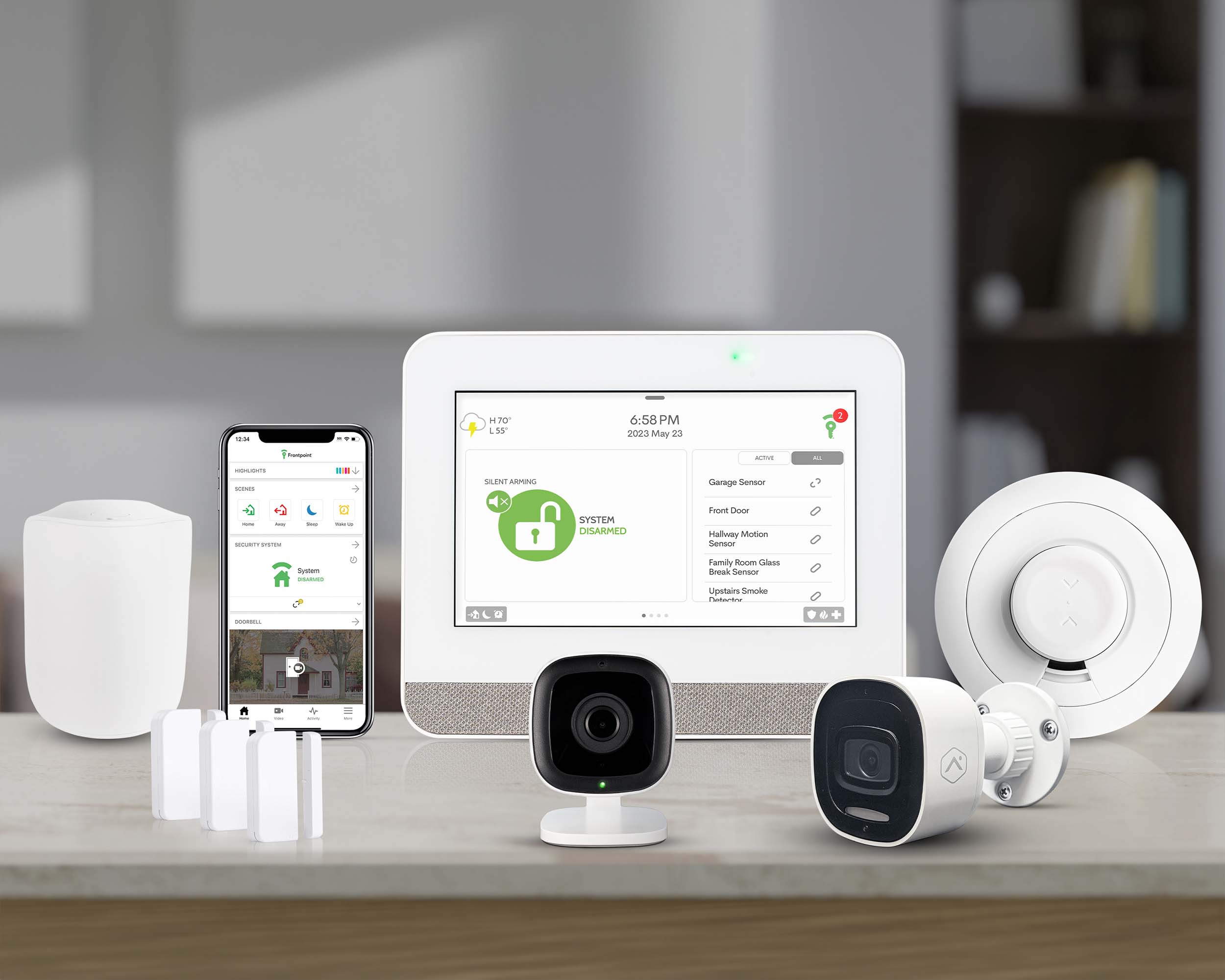
Buying directly from the manufacturer is often the most straightforward option for systems that require professional installation or monitoring contracts. Companies like ADT, Vivint, and Frontpoint handle the entire process, from site survey to equipment delivery and setup. This route ensures compatibility between hardware and monitoring services, though it may limit your ability to shop around for better hardware deals.
Major online retailers like Amazon and Best Buy carry a wide range of DIY home security systems, particularly for brands like Ring, SimpliSafe, and Arlo. These platforms allow you to compare prices, read user reviews, and often take advantage of seasonal sales. However, you will be responsible for your own installation and may need to subscribe to third-party monitoring services separately.


As an Amazon Associate, we may earn from qualifying purchases.
For those who prefer in-person assistance, local security dealers can provide tailored solutions, especially for larger properties or complex smart home integrations. While this option often involves higher upfront costs, it can offer personalized support and faster response times for technical issues. Always verify that local dealers are authorized partners of the security brands you are considering to ensure valid warranties and service agreements.
Final Checklist Before Buying a Home Security System
Choosing the right home security systems involves more than comparing camera resolution or monthly fees. Before you sign a contract or schedule installation, run through this final review to ensure the system fits your actual lifestyle and technical setup. This workflow helps you avoid hidden fees, compatibility headaches, and service gaps.
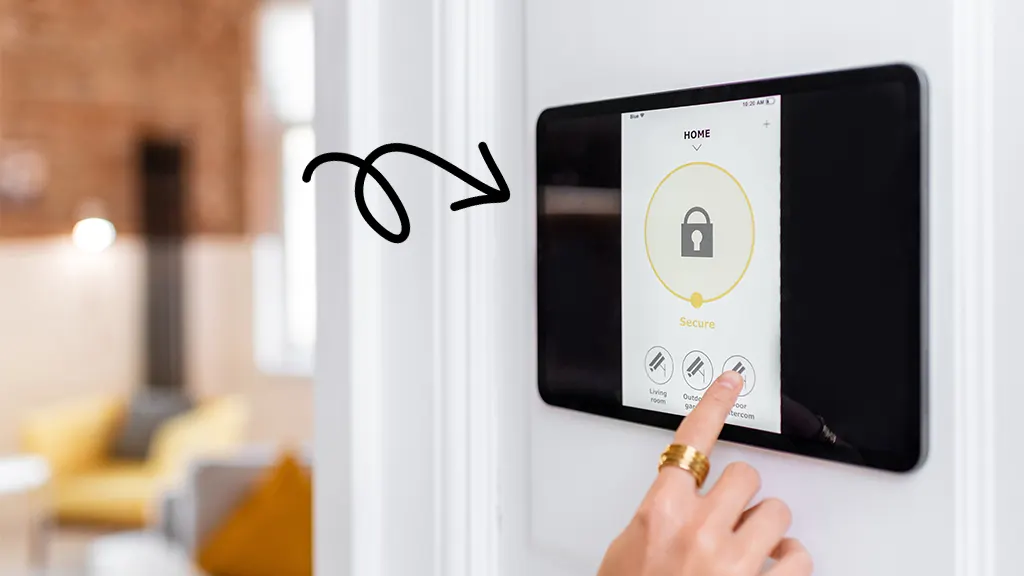
Ensure the system integrates with your existing smart devices. If you use Alexa, Google Home, or Apple HomeKit, confirm the security hub supports these protocols. This integration allows you to arm the system via voice commands or automate lights when motion is detected, creating a cohesive security ecosystem.
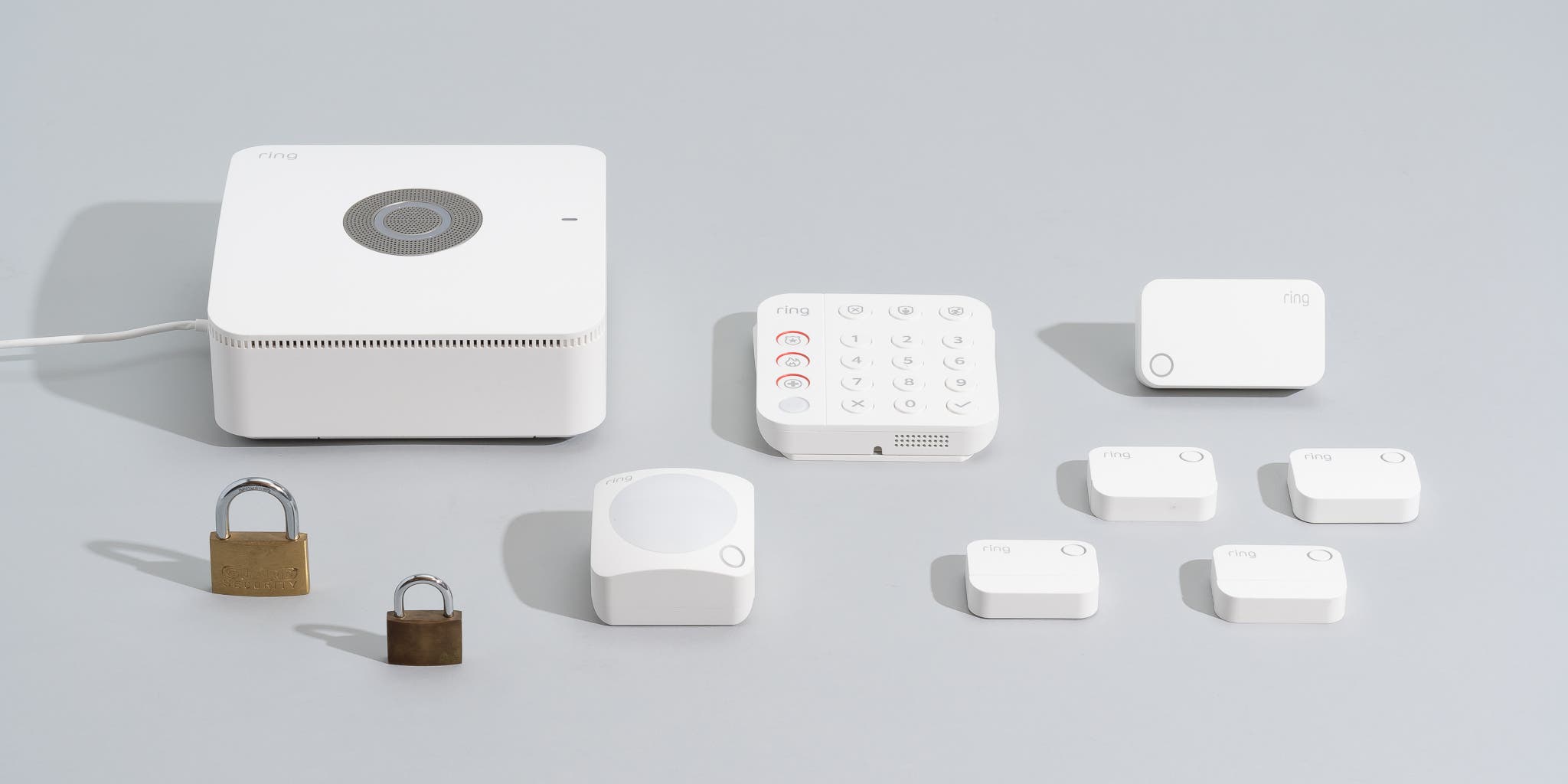
Internet outages can disable traditional monitoring. Check if the system includes a built-in cellular backup. This feature ensures your alarms still reach the monitoring center during power or internet failures, providing a critical layer of reliability that Wi-Fi-only systems often lack.
Professional monitoring often requires long-term contracts. Read the fine print regarding early termination fees, equipment buyout options, and price increase clauses. DIY systems typically offer month-to-month flexibility, while pro-monitored options like ADT may lock you into three-year agreements.
Speed matters during an emergency. Look for independent testing data on how quickly the monitoring center contacts you or local authorities. Systems with lower response times can significantly impact the outcome of a break-in, making this a key metric for serious security needs.
Frequently asked questions about home security systems
What is the best security system for a residential home?
SimpliSafe is widely considered the best overall home security system for most households. It earned this top spot for its reliable equipment, customizable features, and strong balance between DIY installation and professional monitoring options.
How much does ADT cost per month?
ADT security monitoring starts at $24.99 per month. This rate typically applies to self-setup plans and requires a professional monitoring contract with a minimum one-month term.
What is the number one home security system?
ADT is frequently ranked as the number one home security system, particularly for homeowners who prioritize professional monitoring and established brand reliability.
No comments yet. Be the first to share your thoughts!