
How we picked the best security systems
We tested 33 security systems to find the best smart home protection for 2026. Our evaluation focused on AI accuracy and seamless integration with existing smart home ecosystems. We prioritized systems that distinguish between people, vehicles, and pets to reduce false alarms.
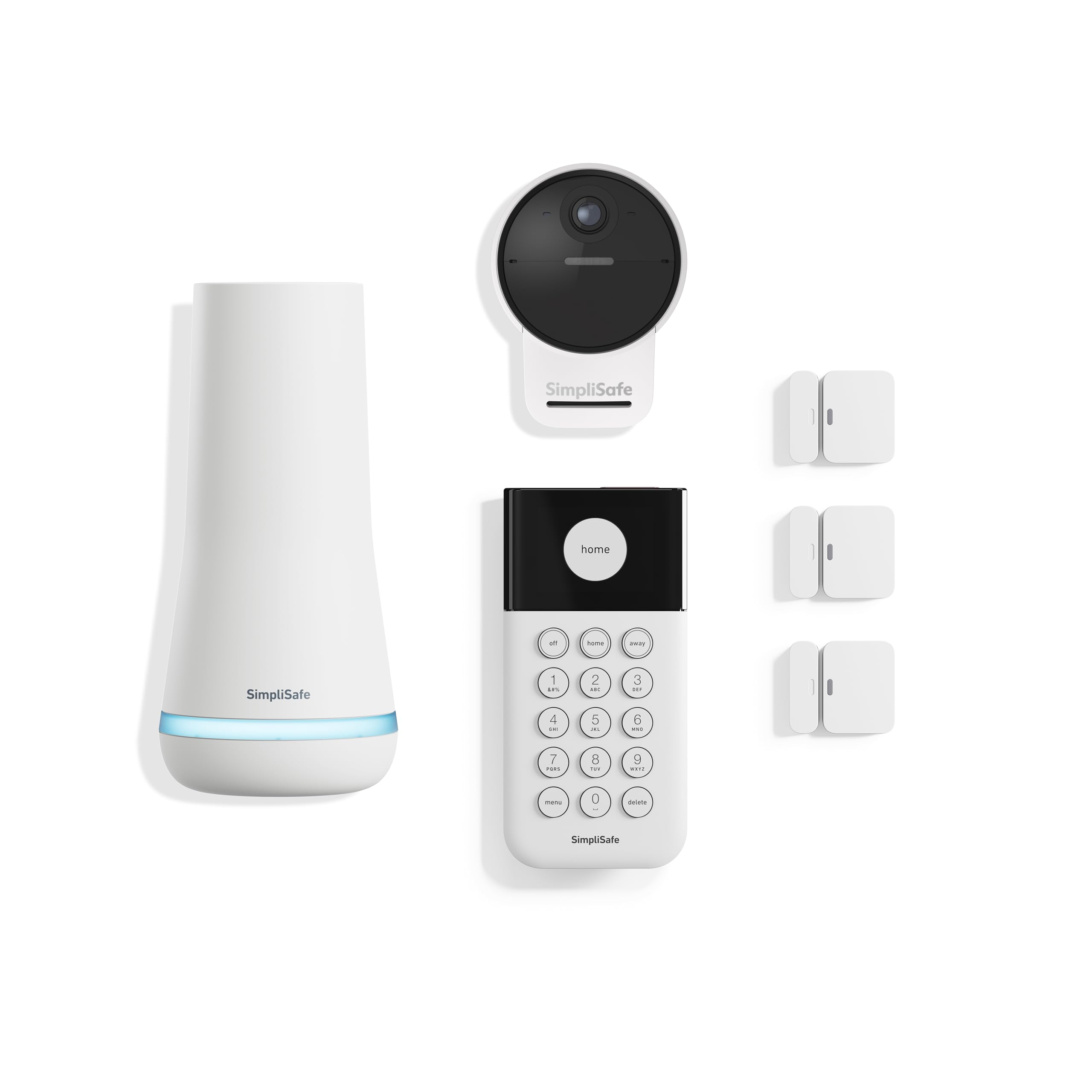
We evaluated top contenders like the Ring Alarm Pro, SimpliSafe Home Security System, and ADT Pulse. Each was tested for response time, app reliability, and compatibility with Alexa and Google Home. We also checked professional monitoring options from providers like Vivint and Cove.
Our criteria included:
- AI detection accuracy for people and vehicles
- Local storage and cloud backup options
- Professional monitoring reliability
- Smart home hub integration depth
We excluded systems with poor app performance or limited third-party compatibility. The following sections detail our top picks based on these rigorous tests.
Checklist for Buyers:
-
Confirm AI detection covers your specific needs (packages, pets)
-
Verify smart home hub compatibility (Alexa, Google, HomeKit)
-
Check professional monitoring contracts and cancellation policies
-
Ensure local storage options if cloud privacy is a concern
Top AI security systems for 2026
Choosing the right home security system depends on whether you prefer professional installation, DIY flexibility, or a mix of both. The best AI smart home protection integrates seamlessly with your existing smart devices while providing reliable monitoring and alerts. We evaluated systems based on AI accuracy, ease of setup, integration capabilities, and monitoring options.
The following systems represent the top choices across different categories, from comprehensive professional monitoring to self-monitored DIY kits.


As an Amazon Associate, we may earn from qualifying purchases.
Compare monitoring plans and features
Choosing a security system often comes down to one decision: who watches your home when you aren't there? Professional monitoring services dispatch emergency responders when your alarm triggers, while self-monitoring relies on your smartphone to handle alerts. The cost difference is significant, and the features available depend heavily on which path you choose.
Professional monitoring typically requires a monthly subscription. Prices vary based on the level of service, such as basic intrusion detection versus full video verification. Self-monitoring is often free or included with basic app access, but it places the burden of response entirely on you. Many systems, like SimpliSafe and Ring, offer flexible plans that let you switch between these modes as your needs change.
To help you weigh the trade-offs, here is a comparison of monitoring options across popular systems.
| System | Monitoring Type | Contract | AI Features |
|---|---|---|---|
| ADT | Professional | 3-year | Video verification, smart alerts |
| SimpliSafe | Professional / Self | None | Person detection, siren activation |
| Ring | Professional / Self | None | Package detection, motion zones |
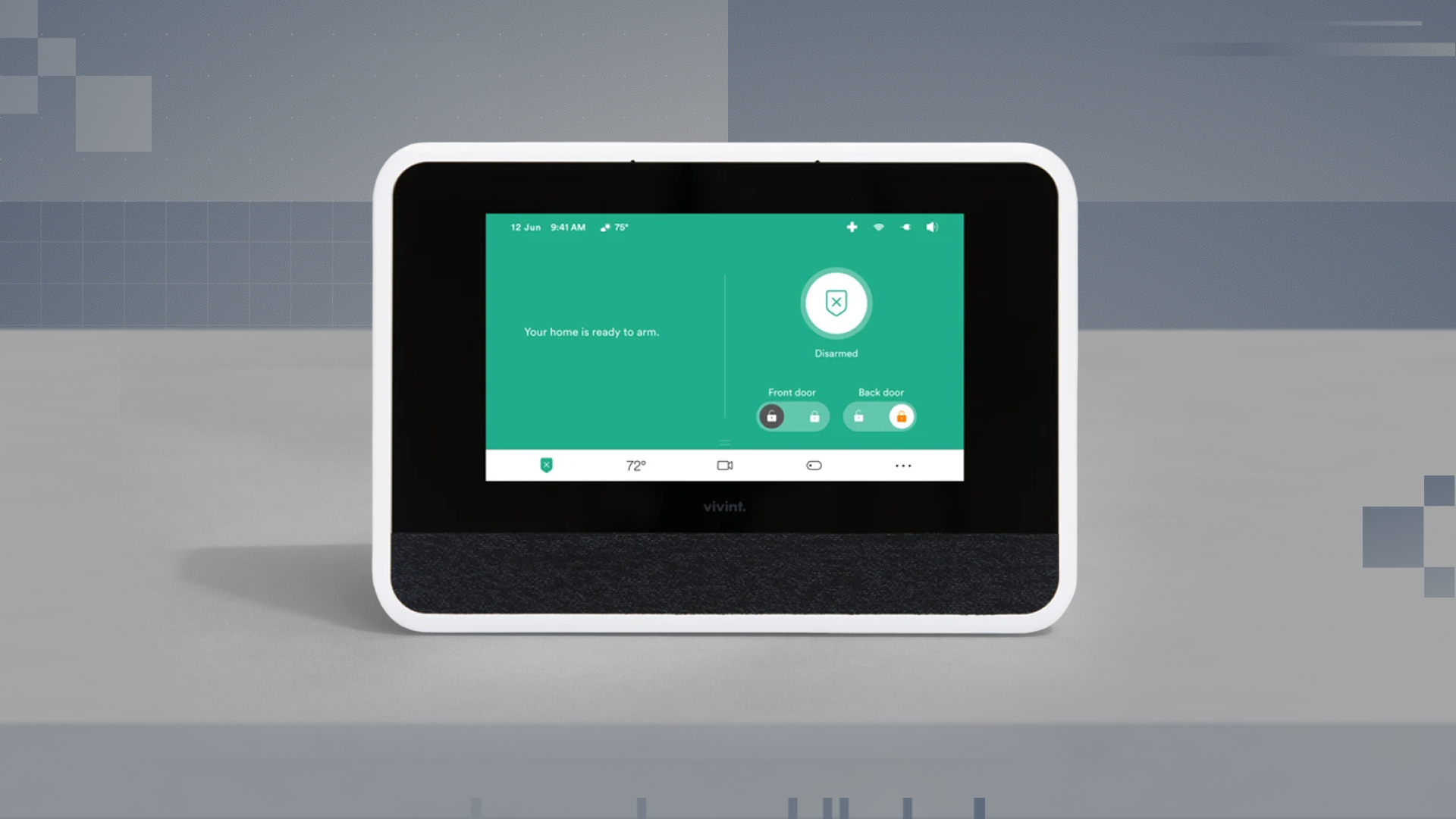
| Vivint | Professional | 20-year | AI-powered security, smart home integration |
ADT remains the standard for professional monitoring, offering a robust network of responders but locking users into long-term contracts. SimpliSafe stands out for its flexibility, allowing users to opt for professional monitoring without a commitment. Ring integrates seamlessly with its ecosystem, offering both self-monitoring via the app and optional professional services. Vivint provides advanced AI features but requires a significant long-term commitment.
When evaluating these options, consider how often you travel or leave your home unattended. If you are away frequently, professional monitoring provides peace of mind. If you prefer to manage alerts yourself, a system with strong app features and no contract may be more suitable. The right choice depends on your balance of cost, control, and convenience.
Key AI features to look for
Modern security systems have moved beyond simple motion detection. In 2026, the best AI smart home protection relies on specific capabilities that reduce noise and increase accuracy. When evaluating systems, focus on package detection, false alarm reduction, and facial recognition. These features transform a basic alarm into a proactive monitoring tool.
Package detection uses computer vision to identify delivered items at your door. Instead of sending a generic motion alert, the system recognizes the shape and size of a box. This is particularly useful for preventing porch piracy. You can verify deliveries without opening the app to watch a 30-second video of wind moving a bush. Systems like the Ring Alarm Pro integrate this directly with their doorbell ecosystem.
False alarm reduction is the most critical quality of life improvement. Traditional sensors trigger on pets, shadows, or temperature changes. Advanced AI models distinguish between a human, an animal, and environmental factors. This reduces the number of unnecessary police dispatches and app notifications. Look for systems that allow you to train the AI on your specific environment, such as excluding a busy street corner.
Facial recognition adds a layer of personalized security. The system learns the faces of family members and regular visitors. It can send alerts only when an unrecognized face is detected at the door. This prevents constant notifications for your kids coming home from school. However, verify the system’s privacy policy, as facial data is sensitive. Ensure the data is stored locally on the hub when possible.
No comments yet. Be the first to share your thoughts!