
The reality of DIY control
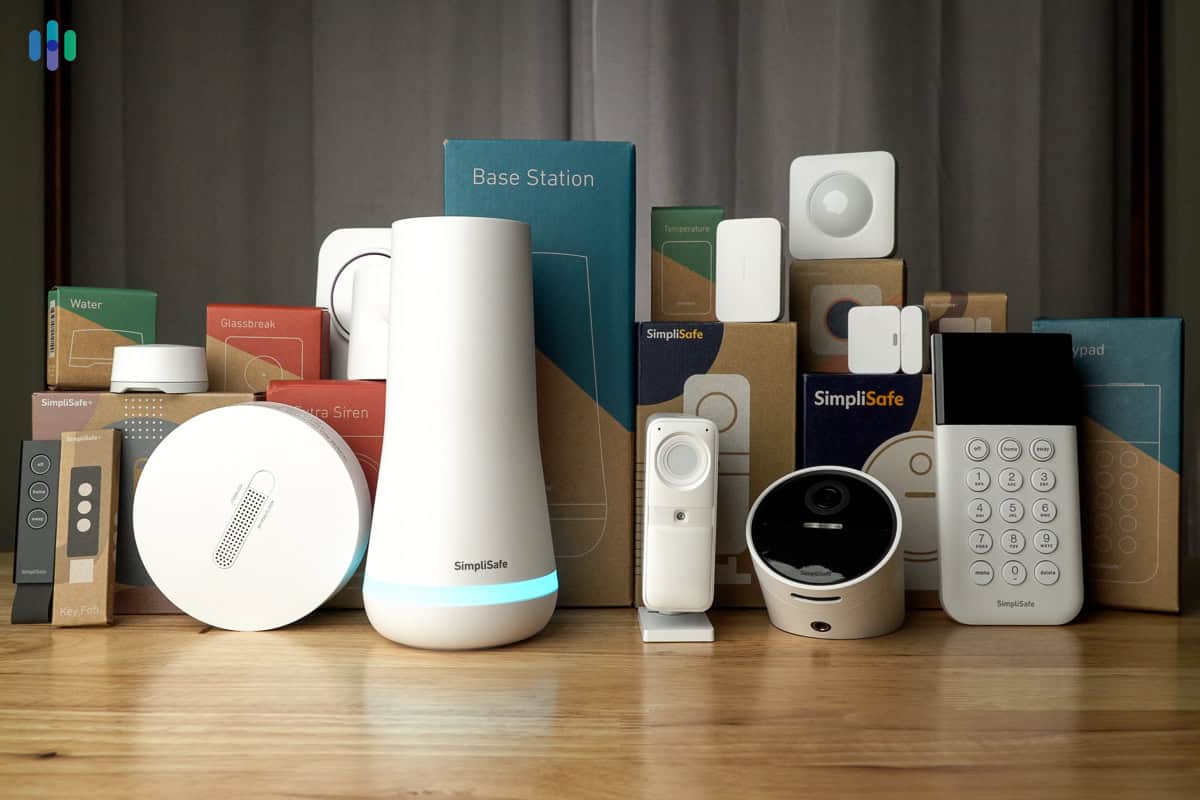
There's a definite appeal to taking your home security into your own hands. It’s about more than just saving money; it's about ownership and the flexibility to customize a system exactly to your needs. Many people are drawn to the idea of avoiding monthly contracts and having complete control over their data. Popular DIY systems like Ring, SimpliSafe, and Abode have made this increasingly accessible.
DIY isn't always easy. While brands design these for homeowners, you still need to be comfortable with a drill and basic networking. If you struggle to get a printer on your Wi-Fi, you'll likely struggle to sync ten different sensors and a base station. I've seen people spend an entire Saturday just trying to get a doorbell camera to stop dropping its signal.
What does 'doable' actually mean in terms of time? Expect to spend at least a few hours, and potentially a full weekend, getting everything configured. This includes unboxing, mounting hardware, connecting devices, and testing the system thoroughly. Don't underestimate the time spent reading manuals and watching online tutorials. Proper setup is critical for reliable protection.
Upfront costs and hardware
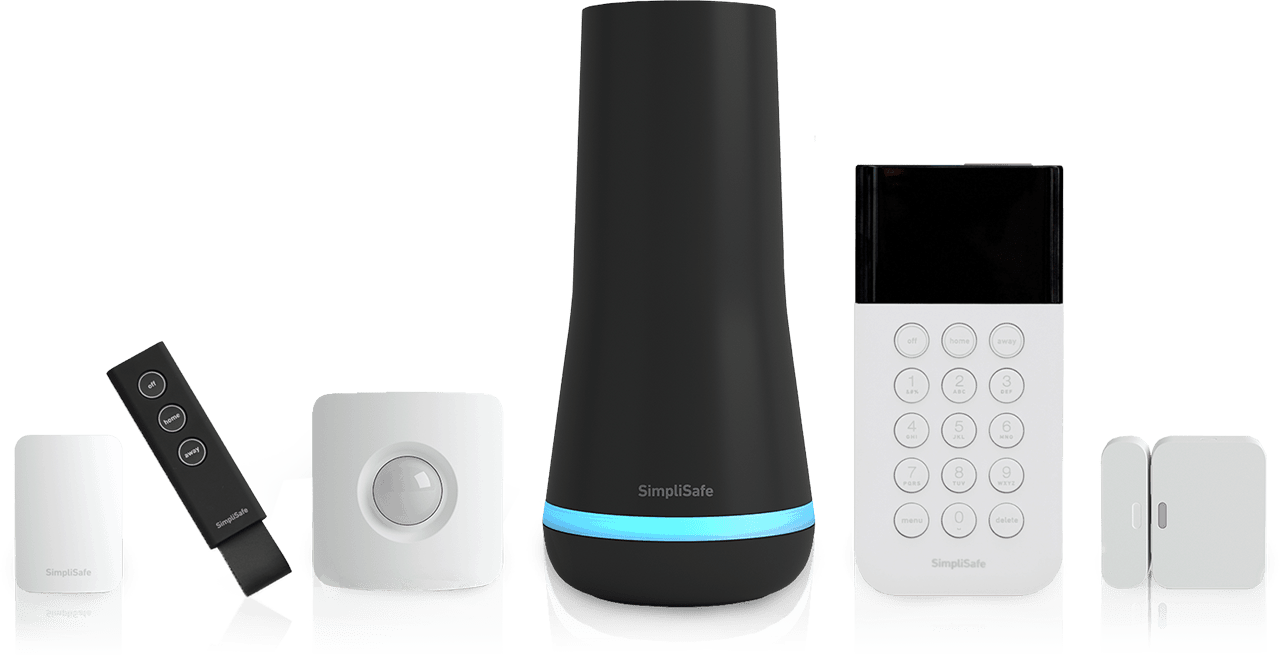
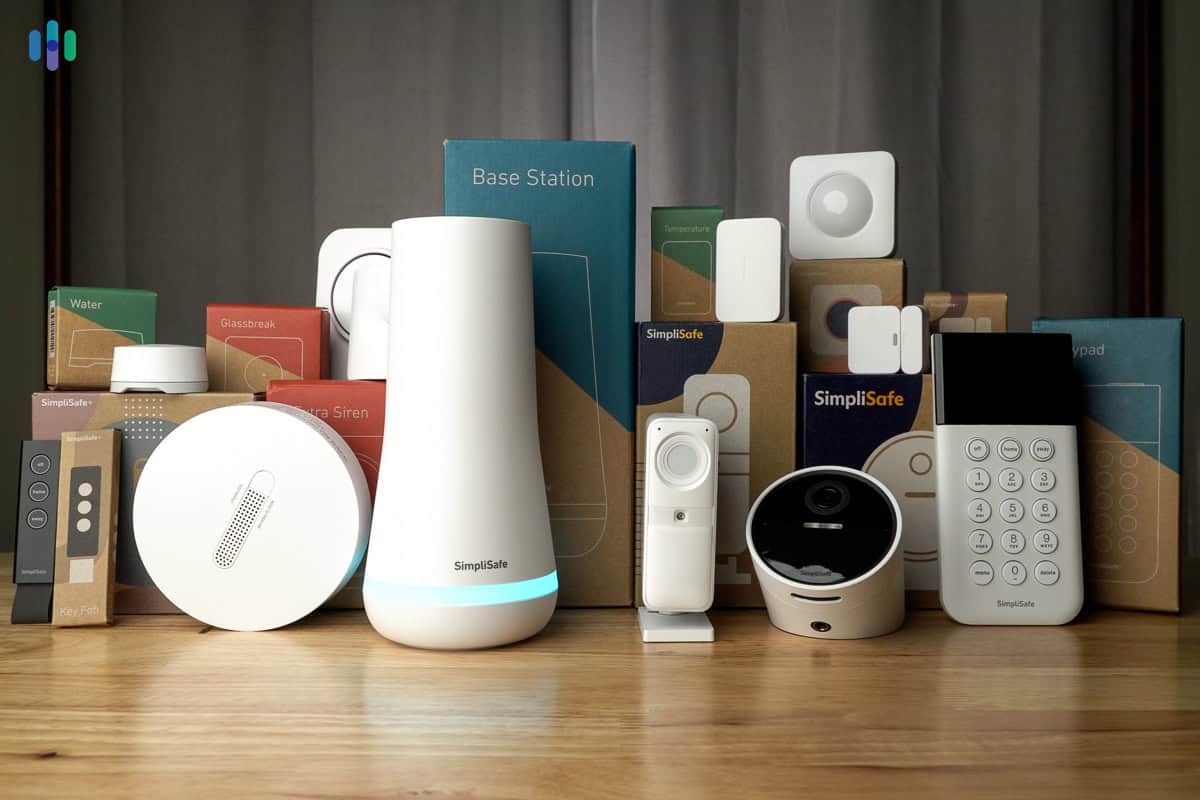
DIY systems win on the initial bill because you only pay for the hardware. A SimpliSafe 5-piece kit is $229 right now, and Ring starts at $200. You're skipping the labor markup, though you'll still need a ladder and a power drill to get the sensors high enough to be useful.
Compare that to professionally installed systems. ADT, for example, typically requires a professional installation fee, which can range from $99 to $299, according to Safehome.org. This is in addition to the cost of the equipment itself. A professionally installed system with comparable components to a basic DIY setup could easily cost $500-$800 upfront. It's a significant difference.
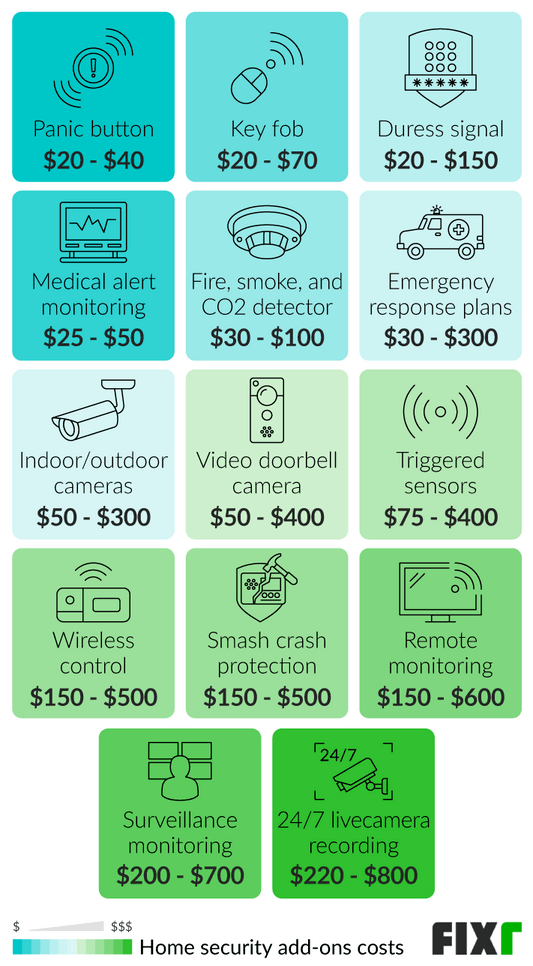
However, don’t fall into the trap of thinking DIY is always cheaper. Adding more cameras, sensors, or smart home integrations quickly increases the price. A fully equipped DIY system with multiple cameras, door/window sensors, and a video doorbell can easily reach $600-$1000. It’s important to carefully plan your system and only purchase what you truly need.
DIY vs. Professional Security Installation: A Comparison
| Factor | DIY Installation | Professional Installation |
|---|---|---|
| Initial Cost | Low | Medium to High |
| Installation Time | Medium to High | Low |
| Technical Skill Required | Medium to High | Low |
| Customization Options | High | Medium |
| System Complexity | Low to Medium | Medium to High |
| Potential for Errors | Medium | Low |
| Long-Term Savings (Potential) | High | Medium |
| Ongoing Maintenance | High | Low |
Illustrative comparison based on the article research brief. Verify current pricing, limits, and product details in the official docs before relying on it.
What professional installers actually do
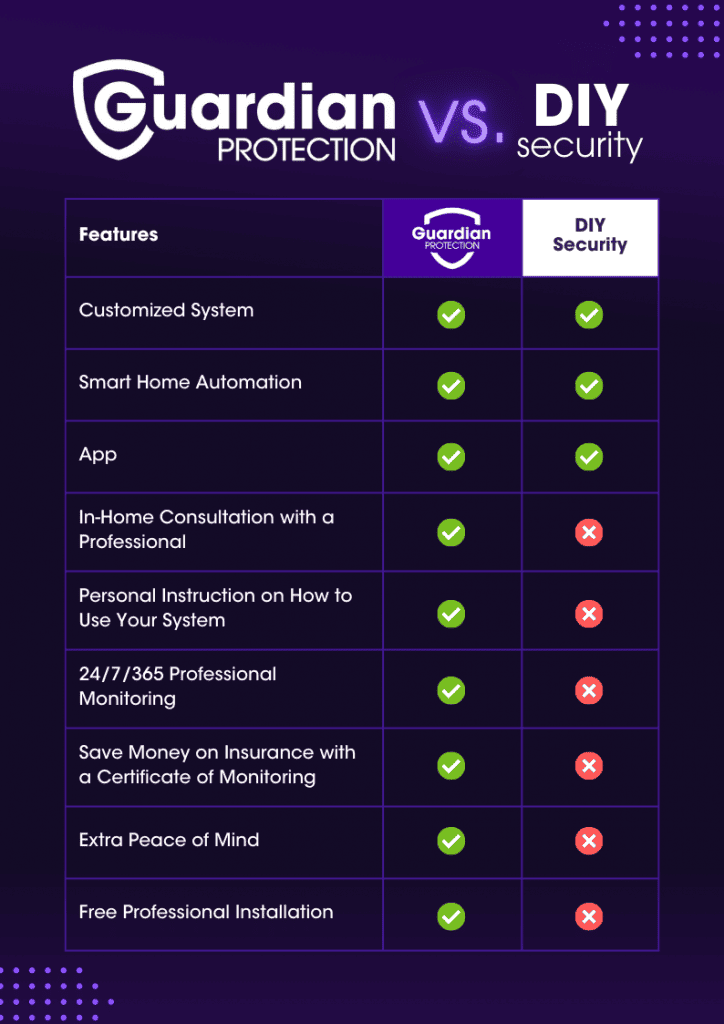
Professional installation isn't just about someone else screwing in cameras. A good installer will assess your home’s layout and security vulnerabilities, recommending optimal placement for sensors and cameras. They'll handle the often-tricky wiring, ensuring everything is connected correctly and securely. Many systems can integrate with existing smart home devices, but that process can be complex – a pro can smooth that out.
The value of professional advice is often underestimated. A technician can identify potential weak points in your home security that you might miss, like easily accessible windows or doors. They can also explain the system’s features and how to use them effectively. This is especially valuable for people who aren’t particularly tech-savvy.
Common installation fees, as mentioned previously, typically range from $99 to $299. ADT and Vivint, for example, often fall within this range. However, some companies offer free installation with a long-term contract. It’s crucial to read the fine print and understand the terms of any agreement.
Monthly Fees: Monitoring and Beyond
Monthly fees are a recurring cost with almost any home security system, whether DIY or professionally installed. These fees typically cover professional monitoring services, cellular backup, and access to mobile apps. The level of monitoring varies significantly, impacting the price.
Self-monitoring is free, but it means you're the one who has to call 911 when a sensor trips at 3:00 AM. Professional monitoring costs between $15 and $60 a month. At the higher end, dispatchers can look at your camera feeds to confirm a break-in before calling the police, which helps avoid fines for false alarms.
The benefits of professional monitoring are faster response times and potential discounts on your homeowner’s insurance. Self-monitoring offers more control and privacy, but it relies on you being available and responsive. Consider your lifestyle and risk tolerance when choosing a monitoring plan. Some DIY systems, like SimpliSafe, offer a hybrid approach, allowing you to switch between self-monitoring and professional monitoring as needed.
- Self-monitoring costs $0 to $10 a month, mostly for cloud video storage.
- Basic professional monitoring runs $15 to $30 a month.
- Advanced monitoring costs $30 to $60 a month and includes video verification.
Featured Products

Wireless setup for easy installation · Optional 24/7 professional monitoring · No contract required
This system offers a robust DIY security solution with the flexibility of optional professional monitoring and no long-term contracts, making it a cost-effective choice for home protection.

Comprehensive 14-piece kit for expanded coverage · Wireless and easy setup · Expandable system to grow with your needs
The Ring Alarm 14-Piece Kit provides a complete and expandable DIY security system with convenient mobile control and optional 24/7 professional monitoring, offering significant value for comprehensive home security.

Integrates with Apple HomeKit, Z-Wave, and Zigbee devices · Expandable to cover your entire home · Easy DIY installation process
This abode system stands out for its broad smart home compatibility and easy DIY setup, providing a flexible and expandable security solution with optional professional monitoring for enhanced peace of mind.

Includes Hub, Keypad, Motion Sensor, and two Entry Sensors · Compatible with Wyze Cam, Leak, and Climate Sensors · Includes 3 months of 24/7 professional monitoring service
The WYZE Home Security Core Kit is an exceptionally budget-friendly option that includes essential sensors and initial professional monitoring, making it ideal for cost-conscious DIYers looking for a smart start.

Includes Keypad, Motion Sensor, and two Entry Sensors · Control and monitor your system via the app · Links with eufyCam for integrated security
The eufy Security 5-Piece Home Alarm Kit offers a user-friendly DIY setup with app control and optional 24/7 protection, providing a secure and affordable way to protect your home.
As an Amazon Associate I earn from qualifying purchases. Prices may vary.
Hidden Costs: The Long-Term View
Don’t just focus on the upfront and monthly costs. There are hidden costs to consider, particularly with DIY systems. Batteries for sensors and cameras need to be replaced periodically. Troubleshooting technical issues can eat up your time, and potentially require hiring a professional if you can't resolve them yourself.
Upgrading equipment is another potential expense. As technology advances, you may want to replace older cameras or sensors with newer models. DIY systems often require you to purchase new equipment outright, whereas professionally installed systems may offer upgrade programs.
Professionally installed systems typically include warranties and maintenance plans, which can cover repairs and replacements. These plans can add to the monthly cost, but they can also provide peace of mind. Extended warranties are becoming more common, offering coverage for several years. It’s important to compare the cost of potential repairs to the cost of a warranty.
Resale Value: Does Security Add Up?
Does installing a security system – DIY or professional – increase your home's resale value? The answer is… it’s complicated. According to some real estate agents, a security system can be a selling point, providing potential buyers with peace of mind. However, the impact on appraisal value is often minimal.
A professionally installed system may be more attractive to potential buyers, as it suggests a higher level of security and reliability. However, many buyers prefer to choose their own security system. The presence of a long-term contract with a specific provider could even be a deterrent.
Ultimately, the impact of a security system on resale value is likely to be small compared to other factors, like location, size, and condition of the home. Don’t expect a significant return on your investment solely based on the security system.
New tech in 2026
DIY systems are becoming increasingly user-friendly. New technologies, like simplified setup processes and AI-powered threat detection, are making them more accessible to a wider range of homeowners. We’re seeing more seamless integration with smart home ecosystems, allowing users to control their security systems through voice commands and mobile apps.
Professional installation costs are under pressure, as companies compete for market share. We're also seeing a trend towards more flexible contracts and customizable monitoring plans. The rise of wireless technology is reducing the need for extensive wiring, making installation faster and less disruptive.
AI-powered security is a major emerging trend. Systems are now capable of distinguishing between genuine threats and false alarms with greater accuracy. This reduces the number of unnecessary dispatches and improves the overall effectiveness of security monitoring. Expect to see more AI-powered features in both DIY and professionally installed systems in the coming years.
No comments yet. Be the first to share your thoughts!