

Why motion sensors aren't enough
For decades, home security largely meant the same thing: a panel, door and window sensors, and a loud alarm. These traditional systems rely on detecting breaches – a door opening, a window breaking – using passive infrared sensors or simple contact triggers. They've certainly prevented burglaries, but they're also prone to false alarms triggered by pets, weather, or even a rogue houseplant. This constant potential for disruption is a real headache for homeowners and often strains relationships with local law enforcement.
The limitations of these older systems stem from their inability to understand what's causing the alarm. A traditional system can't distinguish between a person and a raccoon, or a swaying tree branch and a potential intruder. This is where artificial intelligence enters the picture. AI-powered home security systems aren’t just about making alarms "smarter"; they represent a fundamental shift in how we approach home protection.
AI introduces object recognition and behavioral analysis. Instead of simply detecting motion, these systems analyze what that motion is. They can identify people, vehicles, and even specific animals. More advanced systems go further, learning your routines and recognizing unusual activity – a person loitering near your property, for instance. This allows for a much more nuanced and accurate response, reducing false alarms and improving overall security. The goal isn't just to react to a break-in, but to prevent it.
The shift from reactive alarms to proactive detection is real. While a loud siren still has its place, AI provides a level of precision that older sensors can't match. This accuracy matters more as burglars find ways around basic contact triggers.
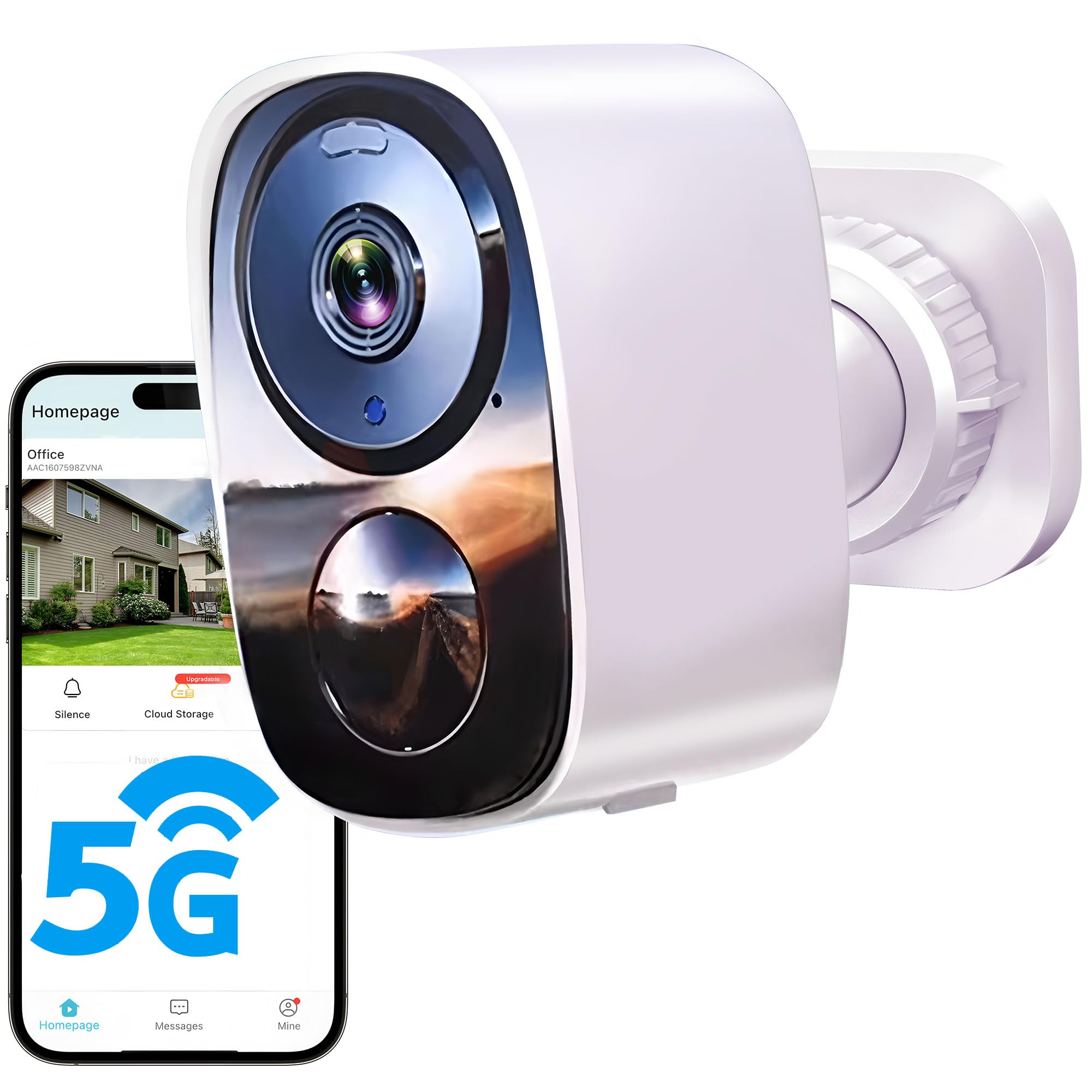
How smart detection works
AI security relies on machine learning. Instead of following a rigid 'if-this-then-that' rulebook, these systems study thousands of images to tell the difference between a person, a pet, or a swaying tree branch. They look for specific patterns in how things move.
The process works like this: the camera captures footage, and the AI algorithm analyzes it, identifying objects and behaviors. For example, it might recognize a human shape, analyze their gait, and determine if they’re walking towards your front door at an unusual hour. This isn’t about facial recognition (though some systems offer that as an option); it’s about recognizing patterns of behavior that deviate from the norm. Kognition AI emphasizes this in their guides for enterprise, but the principle applies to residential systems as well.
A critical component of effective AI detection is edge computing. This means processing the data locally, on the camera itself or a nearby device, rather than sending it to the cloud. Edge computing offers several advantages: faster response times (no lag waiting for data to travel to a server), increased privacy (your footage doesn’t leave your property), and reduced bandwidth usage. However, on-device processing requires more powerful hardware, which can increase the cost of the system.
Cloud-based AI processing is still common, and offers benefits like scalability and easier software updates. But it introduces potential privacy concerns, as your footage is stored on a third-party server. The best systems strike a balance, using edge computing for real-time analysis and cloud storage for backup and remote access. The choice between these approaches depends on your individual needs and priorities.
The best AI security systems for 2026
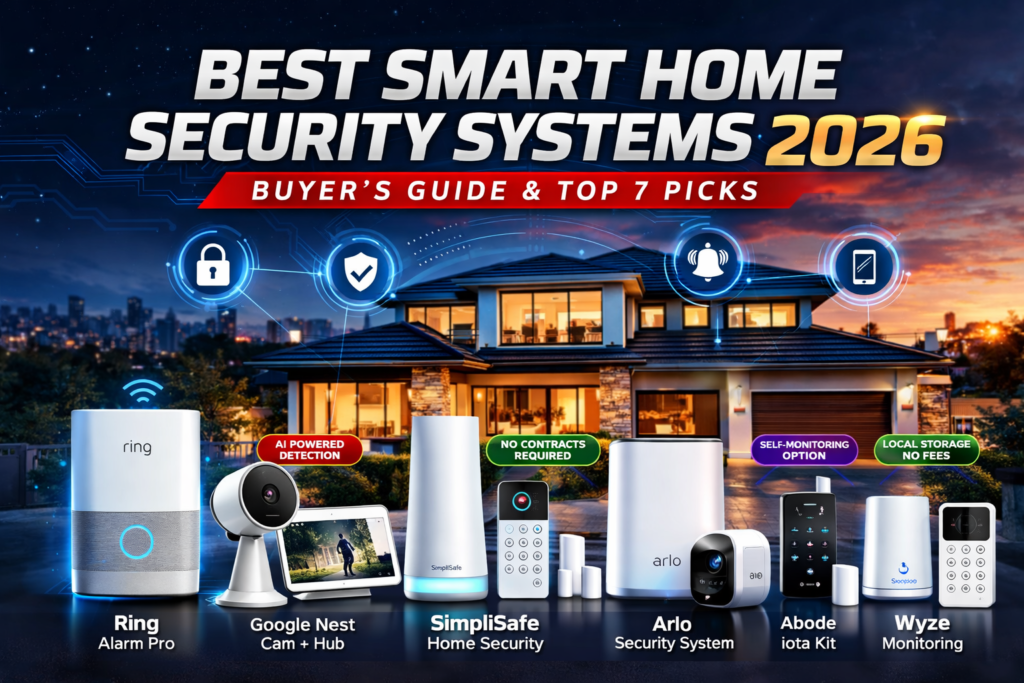
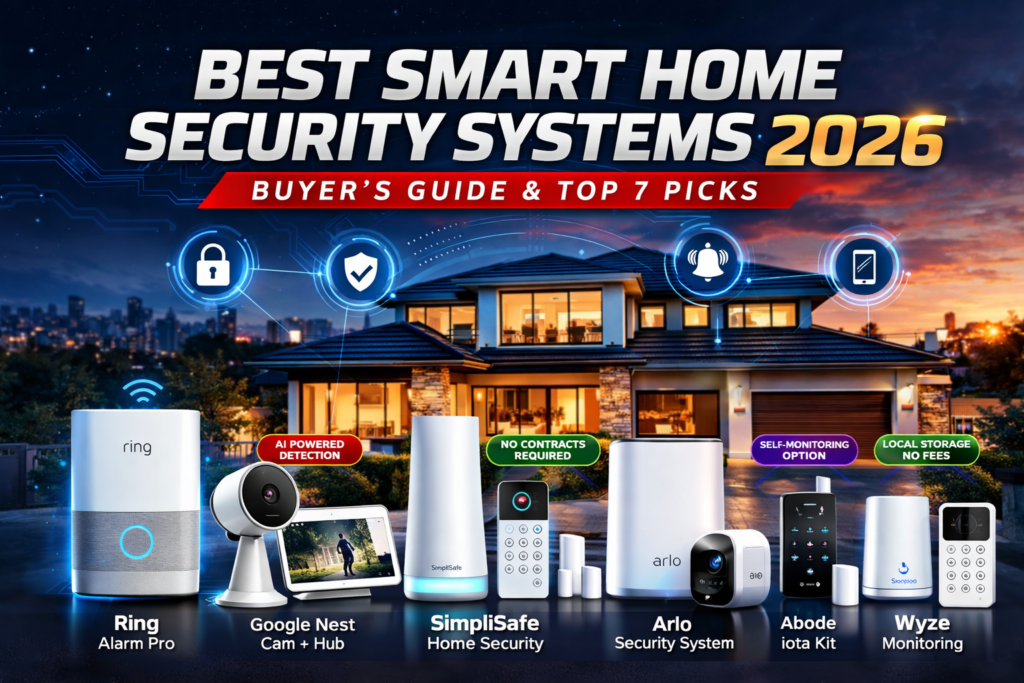
The market for AI-powered home security is rapidly evolving, with new players and features emerging all the time. Here’s a look at some of the top contenders as of 2026, focusing on systems that genuinely leverage AI for improved detection and security. Pricing is estimated based on current trends and expected inflation.
Brinks Home Intelligence consistently ranks high. They’ve invested heavily in AI-powered video analytics, offering features like person detection, package detection, and vehicle recognition. Their system learns to differentiate between family members, pets, and strangers, minimizing false alarms. Expect professional monitoring plans to start around $40/month, with equipment costs varying based on package size. A major benefit is their established reputation and professional installation options.
SimpliSafe, while historically more basic, has significantly upgraded its AI capabilities. Their latest cameras now offer accurate person detection and smart alerts. SimpliSafe's strength lies in its affordability and DIY installation. Monitoring plans start around $20/month, making it a good option for budget-conscious homeowners. However, their AI features are not quite as robust as Brinks.
Abode provides a flexible and customizable system with strong AI integration. They offer both professional monitoring and self-monitoring options, and their cameras feature intelligent motion detection and facial recognition (optional, with privacy controls). Abode’s open platform allows for integration with a wide range of smart home devices. Expect monthly fees around $30 for professional monitoring.
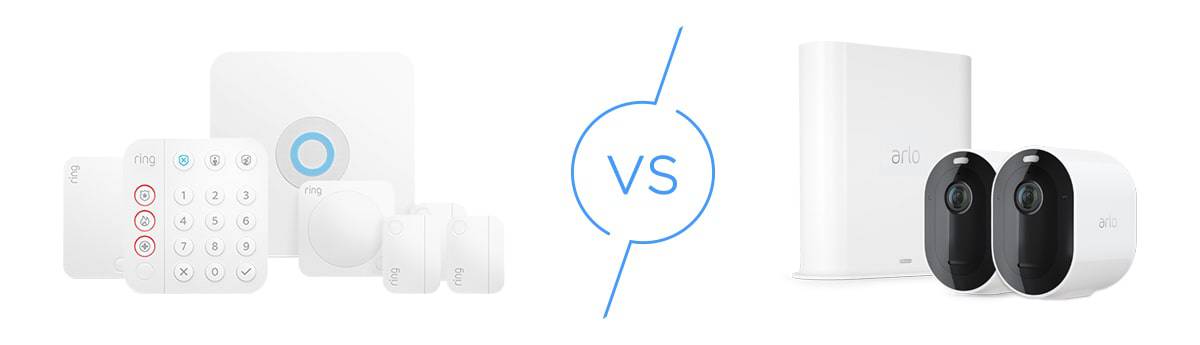
Ring Alarm Pro, backed by Amazon, benefits from the company’s vast AI expertise. Ring’s cameras offer excellent video quality and accurate object detection, and the system integrates seamlessly with other Amazon devices like Alexa. However, Ring has faced privacy concerns in the past, so it’s important to carefully review their data policies. Plans start around $20/month, plus the cost of Ring Protect subscriptions for video recording.
Cove is a newer entrant gaining traction for its focus on simplicity and AI-powered detection. Their system uses AI to identify potential threats and automatically contact emergency services if needed. Cove offers 24/7 professional monitoring and boasts a fast response time. Pricing is competitive, around $25/month, and they offer a lifetime warranty on their equipment.
Nest Secure (if still available in 2026) offers a polished user experience and strong AI features, leveraging Google’s machine learning capabilities. Their cameras offer excellent image quality and intelligent alerts, and the system integrates seamlessly with other Nest devices. However, Nest’s pricing is generally higher than competitors, and their privacy policies have been scrutinized.
Featured Products

2K video resolution with Gemini AI for enhanced detection · Night vision capabilities · Two-way audio for communication
This camera leverages AI for smarter detection and offers clear video and audio for comprehensive indoor monitoring.

Wireless indoor security camera · Smart alarm integration · Designed for easy setup
The SimpliSafe camera offers a wireless, user-friendly option that integrates seamlessly with its smart alarm system for enhanced security.

14-piece wireless security system kit · Expandable system with mobile app control · Optional 24/7 professional monitoring and Alexa compatibility
This comprehensive kit provides a scalable and easy-to-install security solution with the option for professional monitoring, making it ideal for various home sizes.

2K HDR wireless outdoor camera with rechargeable battery · Emergency Response feature · Motion alerts and a 1-month Secure Plan trial
The Arlo Pro offers robust outdoor surveillance with high-quality video, long battery life, and an integrated emergency response option for added peace of mind.

8-channel 4K PoE wired security system with 4 metal cameras · 2TB NVR for local storage · Color night vision, motion detection, and weatherproof cameras
This Lorex system provides high-resolution wired surveillance with extensive local storage and advanced features like color night vision for continuous, reliable monitoring.
As an Amazon Associate I earn from qualifying purchases. Prices may vary.
Stopping the false alarm headache
False alarms are the biggest headache in home security. Brinks Home data from 2024 shows that nearly 98% of alarms are accidental. This leads to 'alarm fatigue,' where you start ignoring notifications because it's usually just the cat or a delivery driver. CNET has noted that this frustration often causes people to stop arming their systems entirely.
AI significantly reduces false alarms by filtering out non-threats. For example, an AI-powered camera can distinguish between a person, an animal, and a swaying tree branch. It can also learn to ignore routine events, like your dog walking around the yard. This means you’re only alerted when there’s a genuine potential threat.
The learning aspect is crucial. AI algorithms aren't static; they continuously improve their accuracy over time. As the system gathers more data, it becomes better at recognizing patterns and identifying anomalies. This means fewer false alarms and more reliable security. This continuous learning process sets AI-powered systems apart from traditional systems, which rely on fixed rules.
The peace of mind that comes with a system that’s less likely to cry wolf is substantial. Knowing that your alarm won’t be triggered by a harmless event allows you to focus on what matters most – your family and your home. This reduction in false alarms also helps to build trust with local law enforcement, ensuring a faster response when you actually need it.
Traditional Alarms vs. AI-Powered Home Security Systems: A Comparative Overview (2026)
| Feature | Traditional Alarm Systems | AI-Powered Alarm Systems |
|---|---|---|
| False Alarm Rate | High | Low to Medium (dependent on AI sophistication) |
| Detection Accuracy | Medium (relies on pre-defined triggers) | High (capable of differentiating between threats and non-threats) |
| Response Time | Medium (dependent on monitoring service and dispatch) | Medium to Fast (potential for faster verification and dispatch due to intelligent analysis) |
| Privacy Considerations | Low (primarily sensor-based, limited data collection) | Medium (data processing for AI analysis raises privacy concerns, dependent on provider policies) |
| Cost of Ownership | Medium (lower upfront cost, potential for ongoing monitoring fees) | High (typically higher upfront cost due to advanced technology, potential monitoring fees) |
| Ease of Use | Medium (relatively straightforward installation and operation) | Medium (setup can be more complex, app-based control may have a learning curve) |
| Intrusion Detection | Based on door/window sensors and motion detectors | Utilizes object recognition and behavioral analysis to identify potential intruders |
| Environmental Hazard Detection | Typically requires separate sensors (smoke, CO) | Can integrate with and intelligently analyze data from various sensors, potentially offering more nuanced alerts |
Illustrative comparison based on the article research brief. Verify current pricing, limits, and product details in the official docs before relying on it.
Privacy and data security
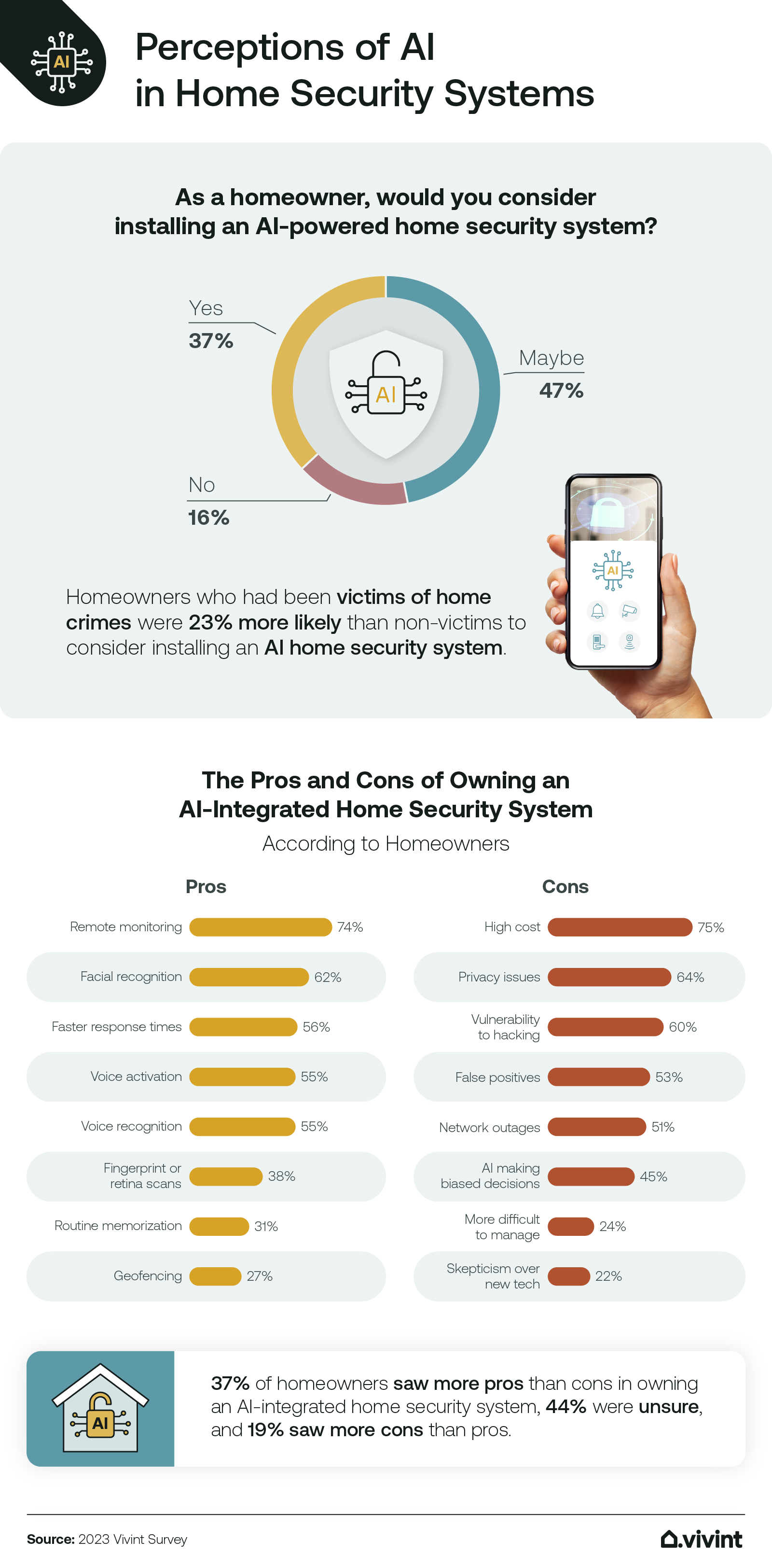
The use of AI in home security raises legitimate privacy concerns. These systems collect and analyze data about your property and your activities, which could potentially be misused or compromised. It’s important to understand how this data is collected, stored, and used.
End-to-end encryption is crucial. This ensures that your footage is encrypted from the moment it’s captured until it’s decrypted by you, preventing unauthorized access. Local processing, as discussed earlier, also enhances privacy by keeping your data on your property. ENS Security emphasizes the importance of secure data transmission and storage in their product documentation.
The potential for hacking and data breaches is a real threat. Hackers could gain access to your camera feeds, your alarm system, and potentially other sensitive information. It’s important to choose a system from a reputable provider with a strong security track record. Regularly updating your system’s software is also essential to patch security vulnerabilities.
Look for systems that offer granular privacy controls, allowing you to customize what data is collected and how it’s used. Be wary of systems that require you to share excessive amounts of personal information. Understanding the provider’s data privacy policy is essential before making a purchase. Remember, a secure system isn’t just about preventing break-ins; it’s also about protecting your privacy.
What's next for home monitoring
The future of AI in home security is full of possibilities. We’re already seeing the emergence of predictive policing, where AI algorithms analyze data to identify potential threats before they occur. This could involve identifying patterns of criminal activity in your neighborhood or detecting suspicious behavior on social media.
Integration with smart home devices will become even more seamless. Your security system will be able to communicate with your lights, locks, and other devices to create a more comprehensive security ecosystem. For example, if a potential intruder is detected, the system could automatically lock your doors, turn on your lights, and alert the authorities.
Personalized security profiles will allow systems to adapt to your individual needs and preferences. The system will learn your routines, your habits, and your vulnerabilities, and tailor its security measures accordingly. This could involve adjusting the sensitivity of motion detectors or creating custom alert schedules.
However, these advancements also raise ethical concerns. The use of predictive policing could lead to bias and discrimination. The collection and analysis of personal data could be used for surveillance purposes. It’s important to have a thoughtful discussion about these ethical implications and develop regulations to ensure that AI is used responsibly. The future isn’t just about can we do something, but should we?
No comments yet. Be the first to share your thoughts!