

Why more packages are disappearing
Package theft is getting worse. The FBI doesn’t track 'porch piracy' as its own category, but their larceny data shows a steady climb. The National Neighborhood Watch saw a spike in reports starting in 2018, right as everyone started ordering everything online. I've noticed it in my own neighborhood—more empty boxes tossed in bushes than I saw five years ago.
Several factors are fueling this trend. The obvious one is the massive growth of e-commerce. More packages are being delivered than ever before. This creates more opportunities for thieves. The convenience factor is also at play. A quick grab-and-go from a porch is a low-risk, potentially high-reward crime. We’re also seeing the emergence of more organized 'porch piracy' rings, where thieves specifically target neighborhoods known for frequent deliveries.
The patterns of theft are evolving too. Initially, it was largely about snatching packages left in plain sight. Now, thieves are increasingly targeting communal mailrooms in apartment complexes and condos. They're also focusing on delivery services known for leaving packages unattended. The rise of delivery services offering same-day or next-day shipping, while convenient for consumers, has unintentionally created more vulnerable delivery windows. It’s a complex issue with no easy answers, but understanding the drivers is the first step toward prevention.

Simple delivery changes that work
Before investing in expensive tech, consider simple adjustments to how you receive packages. These are often the most effective, and certainly the most cost-effective, measures you can take. Requiring a signature for delivery is a good starting point. While it can be inconvenient, it forces the delivery driver to hand the package directly to someone at your address, significantly reducing the risk of theft.
Redirecting packages to a secure access point is another excellent option. Amazon Lockers, UPS Access Points, and similar services provide a safe location for your packages to be held until you can retrieve them. The downside is that these lockers aren't available everywhere, and you may have to travel to pick up your packages. However, for high-value items, the added security is worth the effort.
Scheduling deliveries for when someone is home is the most foolproof method, if feasible. Many carriers allow you to specify delivery windows. The USPS offers Informed Delivery, a free service that provides you with email notifications and images of incoming mail and packages. This allows you to track your deliveries and be prepared to bring them inside promptly. It’s a surprisingly useful tool for staying informed and proactive.
- Require a signature so the driver has to see a human before leaving the box.
- Use an Amazon Locker or UPS Access Point if you aren't going to be home.
- Schedule deliveries: Best option if you can be home during delivery windows.
- USPS Informed Delivery: Free service for tracking and notifications.
Doorbell cameras and sensors
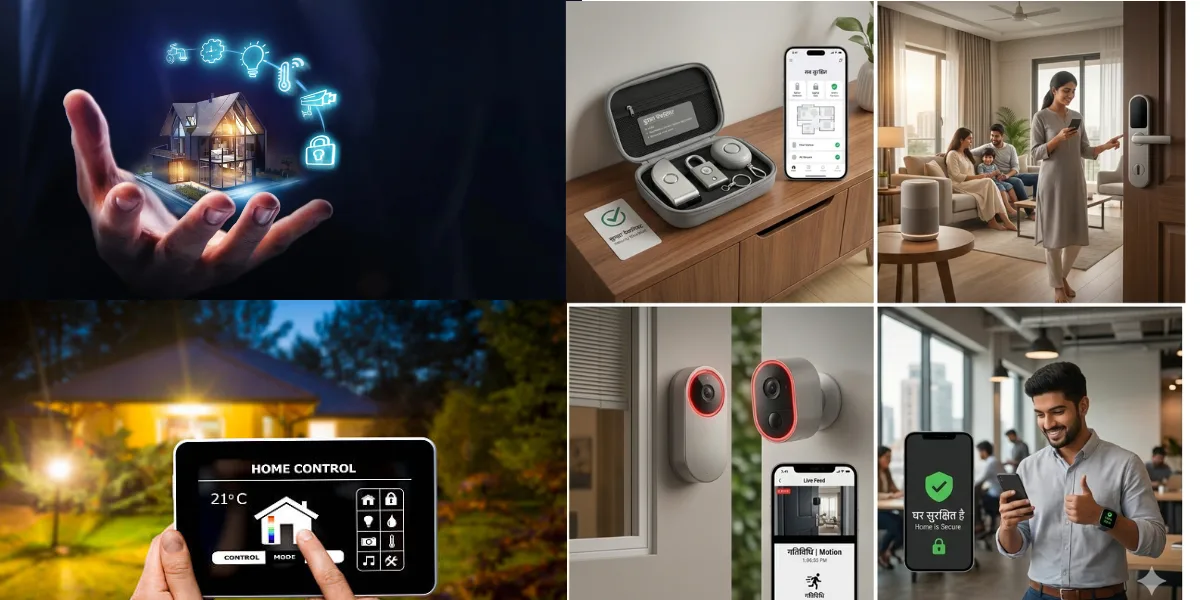
A video doorbell is the most common fix. Brands like Ring, Nest, and Arlo let you talk to whoever is on your porch from your phone. A basic Ring starts at $100, though you'll pay a monthly subscription to actually save the video. Nest is pricier, usually around $250, but the video quality is often sharper.
Security cameras are another valuable addition. Wired cameras generally offer more reliable performance, but wireless cameras are easier to install. Outdoor cameras should be weatherproof and have a wide field of view. Indoor cameras can deter thieves by providing a visible security presence. Cloud storage is convenient, but it comes with a monthly fee. Local storage options, like SD cards, offer more privacy and avoid recurring costs. Consider the trade-offs when choosing a storage solution.
The key to maximizing the effectiveness of these systems is proper configuration. Adjusting motion zones to focus on your porch and driveway minimizes false alarms. Enabling package detection alerts you when a package is delivered. And, of course, having clear, visible cameras can deter potential thieves. These systems don't just record evidence; they act as a deterrent in and of themselves. A visible camera is often enough to make a thief think twice.
Neighborhood Watch & Community Collaboration
Security isn’t solely a technical problem; it’s a social one too. A strong sense of community can be a powerful deterrent to crime. Starting or joining a neighborhood watch program is an excellent way to increase vigilance and share information. Neighbors can look out for each other's packages, report suspicious activity, and create a more secure environment.
Simple acts of neighborly kindness can make a big difference. Offering to collect packages for neighbors who are away, or simply keeping an eye on their homes, can significantly reduce the risk of theft. Building relationships with your neighbors fosters a sense of trust and shared responsibility.
Apps like Nextdoor facilitate local communication and allow neighbors to share information about potential threats. These platforms can be used to report suspicious activity, warn others about recent thefts, and coordinate neighborhood watch efforts. While online communication is valuable, it's important to remember that it’s no substitute for face-to-face interaction and building real-world relationships.
Do you participate in a neighborhood watch or similar community safety initiative to help prevent package theft and other crimes in your area?
Community involvement can be a powerful layer of home security. Let us know where you stand by voting below!
Package Lockers & Secure Drop Boxes
For those seeking a dedicated package security solution, package lockers and secure drop boxes are worth considering. These devices provide a safe, enclosed space for deliveries, protecting them from theft and the elements. There's a wide range of options available, from simple freestanding models to those that bolt directly to your porch.
Freestanding package lockers typically cost between $150 and $400, depending on size and features. Models that bolt to the porch offer more security but require installation. It’s important to choose a locker that’s large enough to accommodate your typical package sizes. However, even bolted lockers aren’t foolproof. A determined thief could potentially steal the entire locker, especially if it’s not securely anchored.
To mitigate this risk, consider choosing a heavy-duty locker made of steel or reinforced plastic. Securely anchoring the locker to a concrete foundation is also crucial. Some lockers include features like electronic locks and tamper alarms. While these add to the cost, they provide an extra layer of security. It's about creating enough of a deterrent that a thief will move on to an easier target.

No comments yet. Be the first to share your thoughts!