

Where your home security fails in 2026
Your home security setup from five years ago probably won't stop a modern burglar. Most break-ins now involve a mix of old-school physical entry and digital exploits. I've looked at how these tactics have shifted toward connected devices and public data so you can actually fix the gaps before someone notices them.
This guide outlines the top ten home security vulnerabilities burglars are exploiting in 2026, and more importantly, what you can do to fix them. We’ve compiled this information based on recent reports from the Department of Defense (media.defense.gov), the Cybersecurity and Infrastructure Security Agency (cisa.gov), and independent security researchers like those at tjfire.co.uk. Understanding these weaknesses is the first step towards a more secure home.
The goal here is simple: to arm you with practical, actionable advice. We'll go beyond general recommendations and delve into how criminals are operating, providing concrete steps you can take to mitigate risks. It’s about being smarter than the average burglar, not just hoping they pass you by.

The 10 biggest vulnerabilities
These are the ten biggest gaps I see right now, ranked by how often they're used and how little effort they require from a thief. Most of these overlap—if your Wi-Fi is open, your smart locks are basically open too.
Weak Wi-Fi
Your Wi-Fi network is the gateway to your connected home, and a weak password or outdated security protocol can give burglars a direct line into your devices. Many routers still ship with default passwords – a huge problem. Even if you changed it, a simple password like 'password123' won't hold up against a determined attacker.
Burglars can use readily available tools to crack WPA2 encryption, and even if you’ve upgraded to WPA3, a poorly chosen password remains a significant risk. Once inside your network, they can disable security cameras, unlock smart locks, and even monitor your activity. Consider a Wi-Fi network scan to identify vulnerabilities.
The best defense is a strong, unique password – at least 12 characters long, with a mix of upper and lowercase letters, numbers, and symbols. Regularly update your router's firmware and enable WPA3 if your devices support it. Don't broadcast your SSID (network name) and consider enabling MAC address filtering for an extra layer of security.
2. Unsecured Smart Devices
Smart home devices – cameras, locks, assistants – offer convenience, but they also introduce new security risks. Many devices are shipped with default passwords that users never change. Others lack basic security features like two-factor authentication.
A compromised smart camera, for example, can give a burglar a live feed of your home, allowing them to determine when you’re away and identify valuables. Smart locks can be remotely unlocked if they haven’t been properly secured. Even seemingly innocuous devices like smart assistants can be exploited to gather information about your routines.
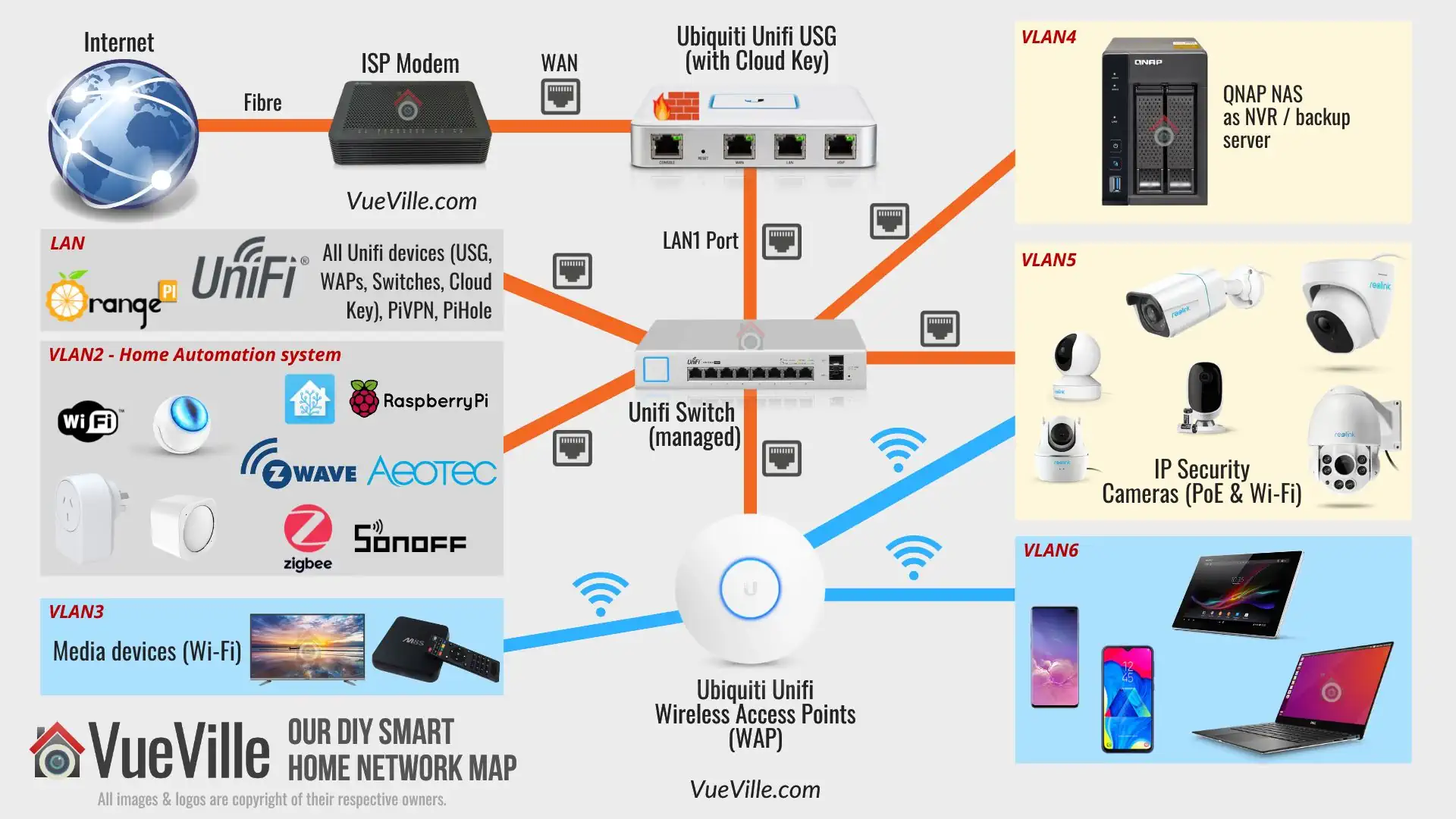
Always change default passwords immediately after setting up a new device. Enable two-factor authentication whenever possible. Regularly check for firmware updates and disable any features you don’t need. Consider segmenting your smart home devices onto a separate network to limit the potential damage from a breach.
3. Visible Security System Control Panels
Ironically, a visible security system control panel can become a target. Burglars who know the system’s location may attempt to disable it directly, cutting off communication before an alarm can be triggered. This is particularly true for older systems with easily accessible control panels.
A skilled burglar might physically tamper with the panel, disconnecting the power or communication lines. They might also try to guess the master code if it hasn’t been changed from the default. Even knowing the brand of your system can give them a starting point for research.
Consider concealing your control panel or choosing a system with tamper-resistant features. Regularly test your system to ensure it’s functioning properly and change your master code frequently. Modern systems with cellular backup are less vulnerable to being disabled by cutting phone lines.
Featured Products

Continuously powers Blink Outdoor 4 (3rd Gen) Floodlight Camera · Includes a 16.5ft/5m weatherproof cable · Solar powered for eco-friendly operation
This solar panel ensures your Blink Floodlight Camera remains powered, eliminating a common vulnerability caused by dead batteries or power outages.

2K video resolution for clear footage · Color Night Vision for enhanced visibility in low light · Two-Way Talk with Audio+ for communication
The Ring Floodlight Cam Wired Pro provides high-definition surveillance and communication capabilities, deterring potential intruders with its advanced features.

Rechargeable 5500mAh battery · Wireless and remote-controlled operation · Dimmable with 3-CCT options and timer function
These rechargeable spotlights can illuminate artwork or displays, indirectly enhancing home security by ensuring all areas are adequately lit and visible.

Weatherproof outdoor smart plug · Controls landscape and string lighting · Includes a Pico Smart Remote for easy operation
This Lutron Caseta Outdoor Smart Plug allows for convenient control of outdoor lighting, helping to eliminate dark areas that burglars often target.
As an Amazon Associate I earn from qualifying purchases. Prices may vary.
4. Outdated Firmware
Outdated firmware is a common and often overlooked vulnerability. Firmware updates often include critical security patches that address newly discovered flaws. Ignoring these updates leaves your devices exposed to known exploits.
This applies to routers, security systems, smart devices, and even some appliances. Burglars can exploit these vulnerabilities to gain access to your network or directly control your devices. The CISA (cisa.gov) consistently emphasizes the importance of regular firmware updates.
Enable automatic firmware updates whenever possible. If that’s not an option, check the manufacturer's website regularly for updates and install them promptly. Treat firmware updates with the same urgency as software updates on your computer.
5. Predictable Routines
Burglars often stake out potential targets to learn their routines. A predictable schedule – leaving for work at the same time each day, consistently collecting mail on weekends – makes it easier for them to identify opportunities.
Social media posts are a goldmine for this information. Announcing travel plans or posting photos of expensive purchases can signal that your home is a target. Even seemingly harmless details, like a regular trash pickup day, can provide valuable clues.
Vary your routines whenever possible. Ask a neighbor to collect your mail and newspapers while you’re away. Be mindful of what you share on social media and adjust your privacy settings accordingly. tjfire.co.uk highlights the dangers of oversharing.
6. Landscaping Issues
Overgrown bushes and trees can provide cover for burglars, allowing them to approach your home undetected. A lack of exterior lighting creates dark spots where they can operate without being seen. Poor landscaping essentially provides a hiding place.
Burglars prefer working in darkness and concealment. Tall shrubs near windows and doors offer both. A well-maintained landscape, with trimmed bushes and adequate lighting, removes these advantages.
Trim trees and shrubs to improve visibility around your home. Install motion-sensor lights around entry points and in the backyard. Consider using landscape lighting to illuminate walkways and driveways. Aim for at least 300-500 lumens for exterior lights in key areas.
7. Garage Door Vulnerabilities
Garage doors are often overlooked as a security weak point. Older garage door openers can be easily jammed or hacked, allowing burglars to gain access to your home without forcing a door or window.
Default codes on garage door openers are another risk. Leaving the garage door opener in your car is a bad idea – a burglar could break into your car and steal it. Even modern smart garage door openers aren’t immune to security vulnerabilities.
Use a garage door opener with a rolling code feature, which changes the code each time it’s used. Ensure your garage door is properly secured when you’re away. Consider installing a smart garage door opener with enhanced security features, but research the brand's security record beforehand.
8. Key Hiding Spots
Hiding a spare key under a doormat, in a fake rock, or above the door frame is one of the oldest and least effective security measures. Burglars know these hiding spots instinctively.
These locations are the first places they’ll check. Even a slightly unusual hiding spot is likely to be discovered. Giving a key to a trusted neighbor is a far more secure option.
Avoid hiding keys altogether. If you must leave a spare key, consider using a lockbox that requires a code or giving a key to a trusted friend or family member. Never leave a key in an obvious location.
9. Lack of Neighborhood Watch/Community
A strong sense of community can be a powerful deterrent to crime. Neighbors who look out for each other are more likely to notice suspicious activity and report it to the authorities.
A lack of community engagement can create an environment where burglars feel comfortable operating. Knowing your neighbors and participating in a neighborhood watch program can significantly reduce your risk.
Get to know your neighbors. Exchange contact information and agree to watch out for each other’s homes. Report any suspicious activity to the police. A united front is often the best defense.
Landscaping & Exterior Lighting
Landscaping plays a surprisingly important role in home security. Overgrown bushes and trees provide cover for burglars, allowing them to approach your home undetected. A well-maintained landscape, with clear lines of sight, removes this advantage.
Exterior lighting is equally important. Motion-sensor lights are particularly effective, as they illuminate potential intruders and alert neighbors. Strategically placed lights can deter burglars and make your home a less attractive target.
Trim trees and shrubs to eliminate hiding spots. Install motion-sensor lights around entry points and in the backyard. Consider using 300-500 lumen lights for general illumination and 700-900 lumen lights for brighter areas. A well-lit property is a safer property.
Social Media's Role in Burglary
Social media has become a valuable tool for burglars. Posting about vacations, expensive purchases, or even daily routines can reveal valuable information about your home and your habits. Geotagging photos can pinpoint your location, even when you’re away.
Burglars actively monitor social media for potential targets. A post announcing a week-long vacation is essentially an invitation. Even seemingly harmless details, like a check-in at the airport, can be used to determine when your home is unoccupied.
Adjust your privacy settings to limit who can see your posts. Be mindful of what information you share online. Avoid posting about travel plans or expensive purchases. tjfire.co.uk emphasizes the risks associated with oversharing on social media.
Garage Door Security: Often Overlooked
The garage door is often the most vulnerable entry point to a home. Older garage door openers can be easily hacked or jammed, allowing burglars to gain access without forcing a door or window. Default codes are a major security risk.
Using a garage door opener with a rolling code feature is essential. This technology changes the code each time it’s used, making it much more difficult for burglars to intercept and replicate. Avoid leaving the garage door opener in your car.
Consider investing in a smart garage door opener with enhanced security features, but research the brand and model carefully to ensure it offers robust protection. Regularly test your garage door’s security and address any vulnerabilities promptly.

No comments yet. Be the first to share your thoughts!