
AI vs. motion detection
For years, home security meant a blaring alarm and a lot of false positives. Traditional systems relied on simple motion sensors, which were easily triggered by pets, swaying branches, or even a sudden change in light. These frequent false alarms created a sense of fatigue and distrust, diminishing the effectiveness of the system. Now, things are changing, and the shift is driven by artificial intelligence.
When we talk about 'AI' in home security, we're generally referring to systems that use computer vision and machine learning to analyze what a security camera is seeing. This goes far beyond simply detecting movement; AI can identify objects – people, vehicles, animals, packages – and even learn behavioral patterns. This ability to differentiate between a harmless event and a potential threat is what sets AI-powered systems apart.
The core benefit is a dramatic reduction in false alarms. A traditional system can’t tell the difference between a raccoon and a burglar, but an AI system can. This isn’t just about convenience; fewer false alarms mean quicker response times when a real emergency occurs. It’s a move towards smarter, more reliable home protection, and it's becoming increasingly accessible to homeowners. I’ve seen firsthand how frustrating those repeated alerts can be, and this technology really does address that pain point.
AI isn't magic. These systems need heavy processing power and constant algorithm updates. Accuracy varies wildly between brands; you can't just slap an AI label on a camera and expect it to work perfectly out of the box.
What smart cameras actually see
The power of AI in home security lies in its ability to understand what it’s looking at. Modern AI-powered cameras can accurately identify a range of objects, differentiating between people, vehicles, animals, and even packages left on your doorstep. This is a huge leap forward from the simple 'motion detected' notifications of older systems.
But object recognition is just the beginning. AI is also capable of 'behavioral analysis,' which means it can learn what’s normal for your property and flag anything that deviates from that norm. For example, a camera might learn the delivery driver’s usual route and arrival time. If someone approaches the door outside of those parameters, the AI can flag it as potentially suspicious.
This learning process is key. The system isn’t simply programmed with a list of threats; it adapts to your specific environment. Brinks Home highlights this capability in their materials, explaining how AI learns to distinguish between residents, visitors, and potential threats. This level of customization makes AI security systems far more effective than one-size-fits-all solutions. It's about context, and AI provides that.
Top security systems for 2026
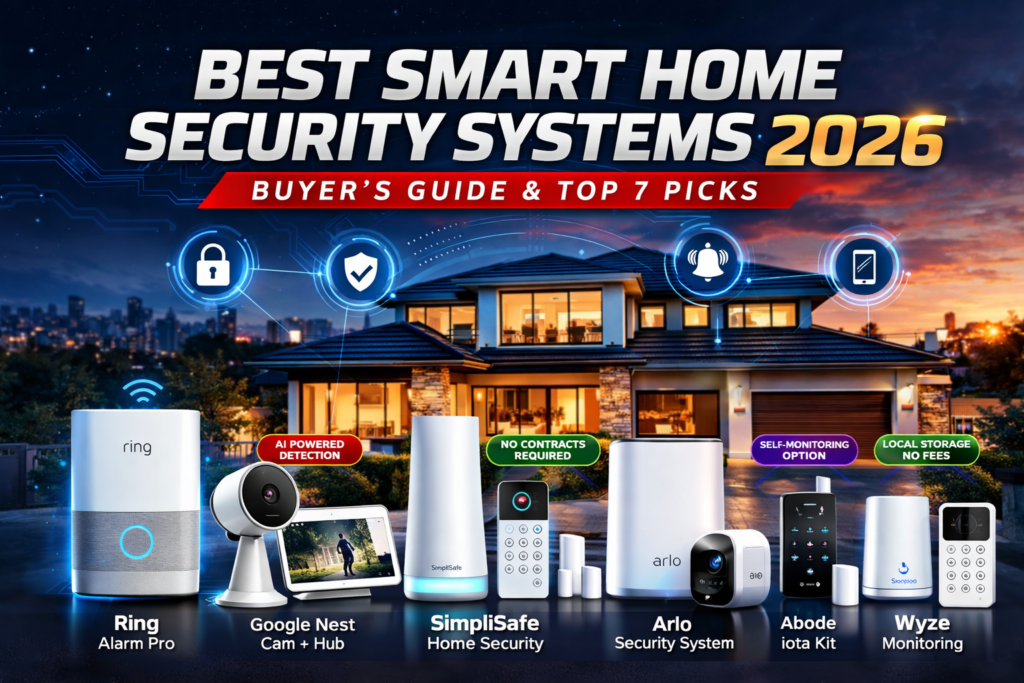
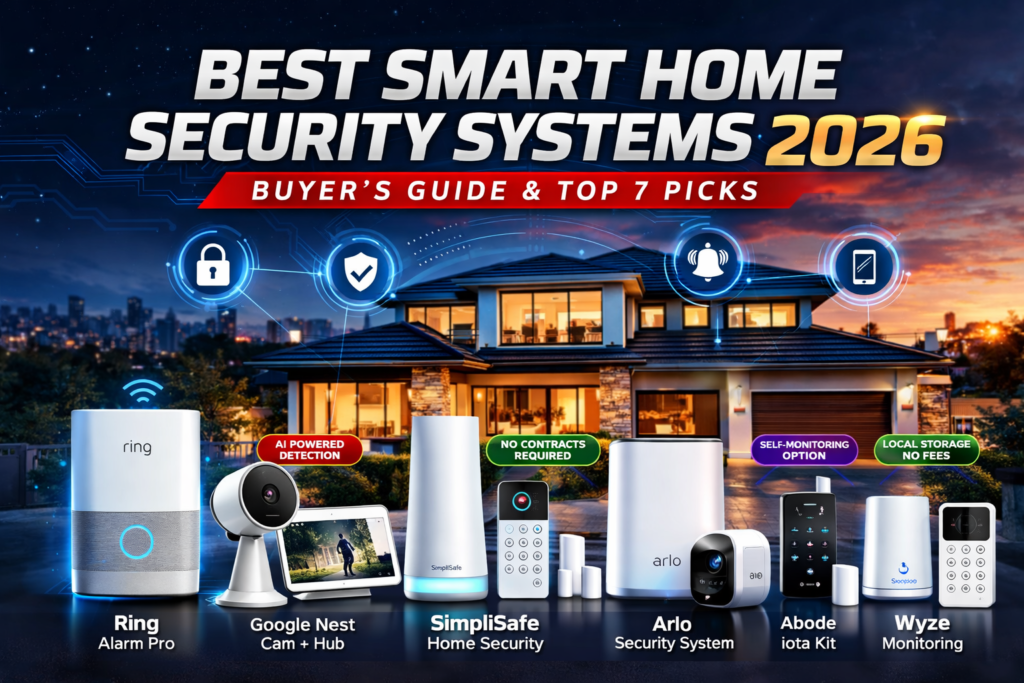
The AI home security market is quickly evolving, and several players are pushing the boundaries of what’s possible. By 2026, I expect these systems to be even more sophisticated and integrated into our smart homes. Here’s a look at some of the top contenders, based on current offerings and projected development.
SimpliSafe is continuing to integrate AI features into its already popular DIY system. While historically a more traditional provider, they’ve begun offering advanced object detection and are likely to expand these capabilities. Their strength lies in affordability and ease of installation, making it a good entry point for many.
Google Nest Secure, while undergoing some changes, remains a strong contender. Their cameras benefit from Google’s powerful AI algorithms, offering excellent object recognition and person detection. Integration with the Google Home ecosystem is seamless, but privacy concerns remain a consideration for some users.
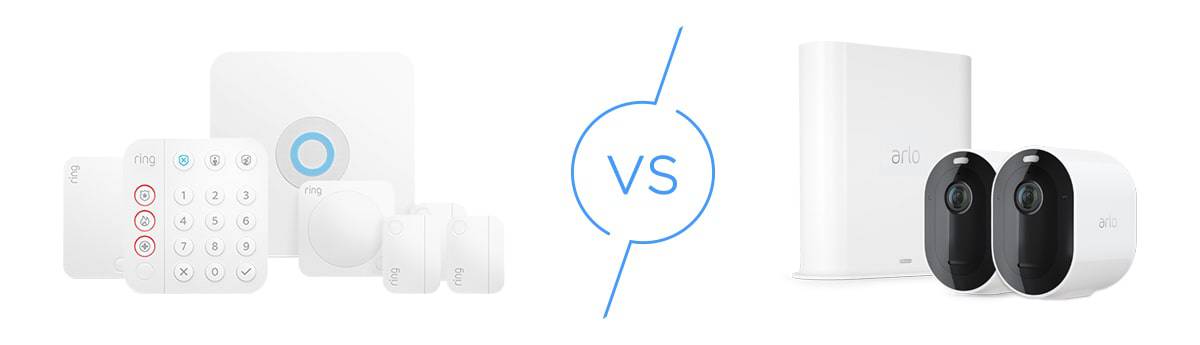
Ring Alarm Pro, backed by Amazon, offers a comprehensive AI-powered security solution. Their focus on proactive monitoring and quick response times, combined with the vast reach of the Ring network, makes it a compelling option. However, data privacy is a frequent topic of discussion regarding Ring products.
Abode is a more flexible option, offering a wide range of sensors and integrations with other smart home platforms. They’ve recently introduced AI-powered features like person detection and package detection, and their open platform allows for customization. It's a system that appeals to tech-savvy users.
Arlo, known for its high-quality camera hardware, is investing heavily in AI-powered features. Their cameras offer advanced object recognition, activity zones, and cloud storage options. The subscription costs can be higher than some competitors, but the image quality and features are excellent.
Blue by ADT, a newer player, provides a professionally monitored AI security system with a focus on proactive threat detection. They combine ADT’s established monitoring services with cutting-edge AI technology. This offers a good balance of security and convenience, but comes with a higher price tag.
Featured Products

Integrated floodlight for enhanced visibility · Intelligent detection of people, animals, and vehicles · 2K HDR video quality with night vision
This AI-powered system offers intelligent detection and a powerful floodlight for superior outdoor security and visibility.

Retinal 2K video resolution · Color Night Vision · Two-Way Talk with Audio+
The Ring Floodlight Cam Wired Pro provides high-resolution video, color night vision, and advanced audio features for comprehensive home or business security.

4K HDR video quality · 180° field of view · Integrated SmartHub
This advanced 4K system offers an expansive field of view, AI-powered summaries, and emergency response features for top-tier home protection.

4K resolution with integrated solar panels for continuous power · Face Recognition AI for personalized alerts · Expandable local storage (no monthly fees)
The eufyCam S330 kit delivers 4K clarity, AI-driven face recognition, and solar power for a powerful, fee-free security solution.

10-piece wireless system including an outdoor camera · Optional 24/7 professional monitoring · No contract required
SimpliSafe offers a comprehensive, easy-to-install wireless system with optional professional monitoring and smart home integration for flexible security.
As an Amazon Associate I earn from qualifying purchases. Prices may vary.
Traditional Alarms vs. AI: A Head-to-Head
Choosing between a traditional alarm system and an AI-powered system depends on your individual needs and priorities. Traditional systems, like those offered by ADT for decades, are reliable and well-established. They typically consist of door and window sensors, motion detectors, and a central control panel connected to a professional monitoring service.
The initial investment for a traditional system can be lower, but the monthly monitoring fees can add up over time. Installation can be complex, often requiring professional assistance. False alarm rates are typically higher with traditional systems, as they rely on simple motion detection. Response times can vary depending on the monitoring company and local law enforcement.
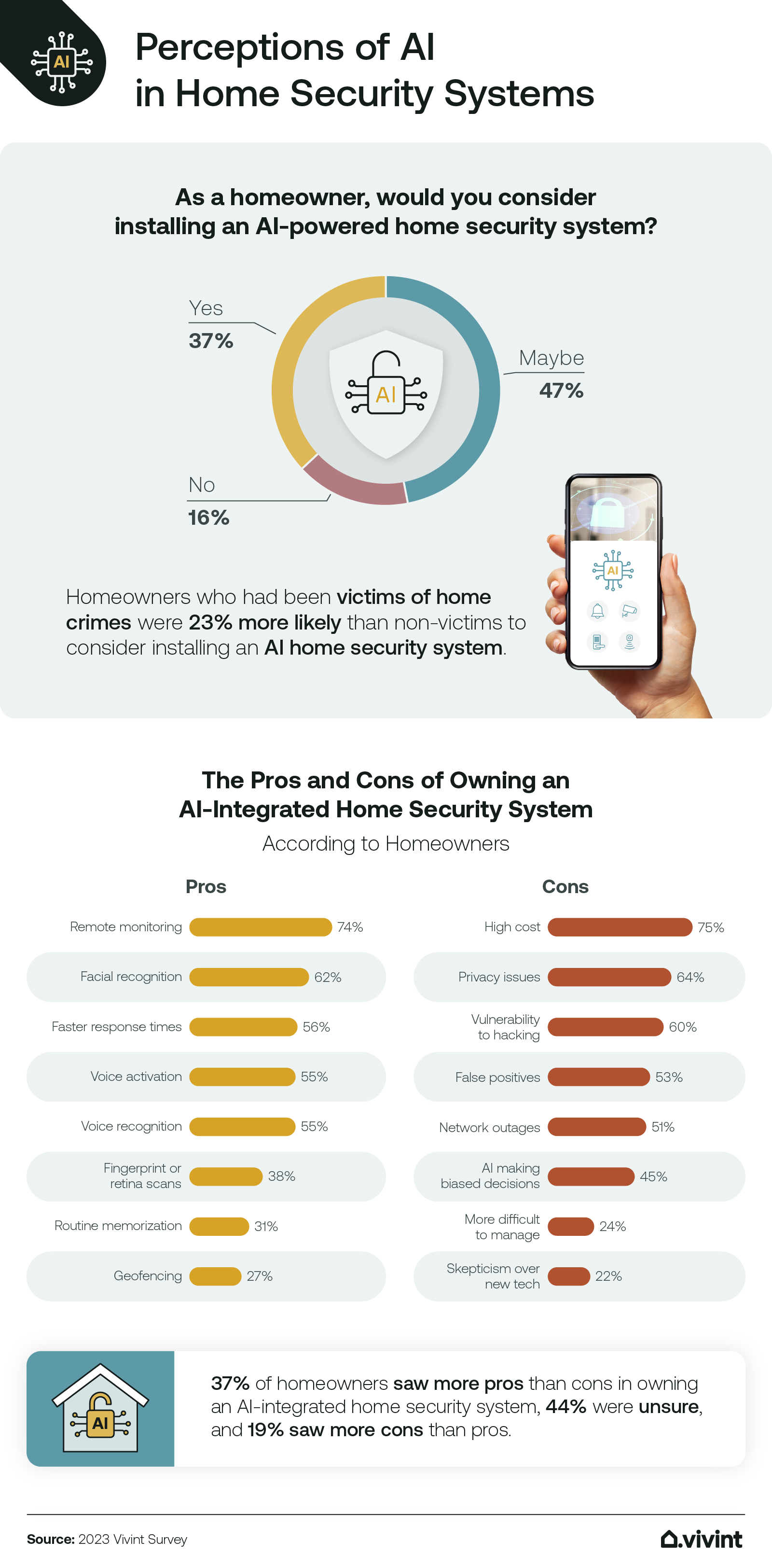
AI-powered systems, on the other hand, often have a higher upfront cost, but can potentially reduce monthly monitoring fees due to fewer false alarms. Installation can be DIY-friendly with some systems, while others still require professional installation. The key advantage is the significantly reduced false alarm rate and the ability to identify specific threats. However, the technology is still relatively new, and there are legitimate privacy concerns to consider.
Here’s a quick comparison table:
| Feature | Traditional Alarm | AI-Powered System |
|---|---|---|
| Initial Cost | Lower | Higher |
| Monthly Fees | Moderate to High | Low to Moderate |
| Installation | Often Professional | DIY or Professional |
| False Alarms | High | Low |
| Response Time | Variable | Generally Faster |
| Privacy | Fewer Concerns | More Concerns |
Traditional Alarms vs. AI-Powered Security Systems: A Comparison (2026)
| Criteria | Traditional Alarms | AI-Powered Systems |
|---|---|---|
| Cost | Medium | Medium to High |
| Installation | Medium | Low to Medium |
| False Alarms | High | Low |
| Response Time | Medium | Medium |
| Privacy | Medium | Medium |
| Smart Home Integration | Low | High |
Illustrative comparison based on the article research brief. Verify current pricing, limits, and product details in the official docs before relying on it.
Privacy Concerns and AI Security
The use of AI in home security raises legitimate privacy concerns. These systems rely on collecting and analyzing video and audio data, which could potentially be misused. Facial recognition technology, in particular, is a sensitive issue, as it could be used to track individuals without their consent.
It’s crucial to understand how your data is being stored and used. Look for systems that offer end-to-end encryption, meaning your video and audio are encrypted both in transit and at rest. Consider systems that offer local storage options, allowing you to keep your data on your own hardware rather than in the cloud. Security.org emphasizes the importance of reviewing privacy policies carefully before choosing a system.
Pay attention to the manufacturer’s data retention policies. How long do they store your data? Do they share it with third parties? What security measures do they have in place to protect your data from unauthorized access? These are all important questions to ask. Ultimately, you need to be comfortable with the level of privacy offered by the system you choose. Probe AI's documentation details their commitment to data security and privacy.
DIY vs. Professional Monitoring: Which is Right For You?
Once you've chosen an AI-powered security system, you need to decide whether to self-monitor it or pay for professional monitoring. DIY systems offer more control and typically lower monthly costs, but require you to be actively involved in monitoring alerts and contacting emergency services if necessary.
Professional monitoring provides 24/7 coverage and can dispatch emergency services on your behalf. This is a good option for people who travel frequently or want the peace of mind of knowing that someone is always watching over their home. However, it comes at a cost.
Regardless of which option you choose, it’s important to have a backup plan in case of power outages or internet disruptions. A cellular backup can ensure that your system remains connected even if your internet goes down. Having a clear understanding of your needs and priorities will help you determine the best monitoring solution for your home.
- Decide if you are comfortable handling emergencies yourself or if you need a dispatcher.
- Consider your travel schedule: Do you frequently leave your home unattended?
- Evaluate your budget: Can you afford the monthly cost of professional monitoring?
- Check your internet reliability: Do you have a stable internet connection with a backup option?
No comments yet. Be the first to share your thoughts!