
How cameras changed in 2026
The home security camera market in 2026 is vastly different than it was even a few years ago. We’ve seen a significant push towards more sophisticated artificial intelligence, moving beyond simple motion detection to genuinely intelligent alerts that can differentiate between people, pets, and vehicles. This has been driven by advancements in edge computing, meaning more processing happens on the device itself rather than solely in the cloud.
Cloud storage remains dominant, but a major trend is the increasing demand for local storage options. Users are becoming more aware of privacy concerns and the potential costs of long-term cloud subscriptions. The major players – Ring, Arlo, and Google Nest – are all responding by offering cameras with microSD card slots or compatibility with Network Video Recorders (NVRs).
Privacy is undoubtedly a central concern. Increased scrutiny of data handling practices has led to calls for greater transparency and control over personal video footage. This has prompted companies to enhance data encryption and introduce features like end-to-end encryption, but implementation varies considerably. The balance between convenience, features, and privacy is a key consideration for consumers in 2026.
Another shift is the move toward more open ecosystems. While tight integration within a single brand’s ecosystem (like Amazon’s with Ring) is still appealing to many, there’s growing interest in cameras that play well with a wider range of smart home platforms. This is where Arlo, with its broader compatibility, often has an edge.
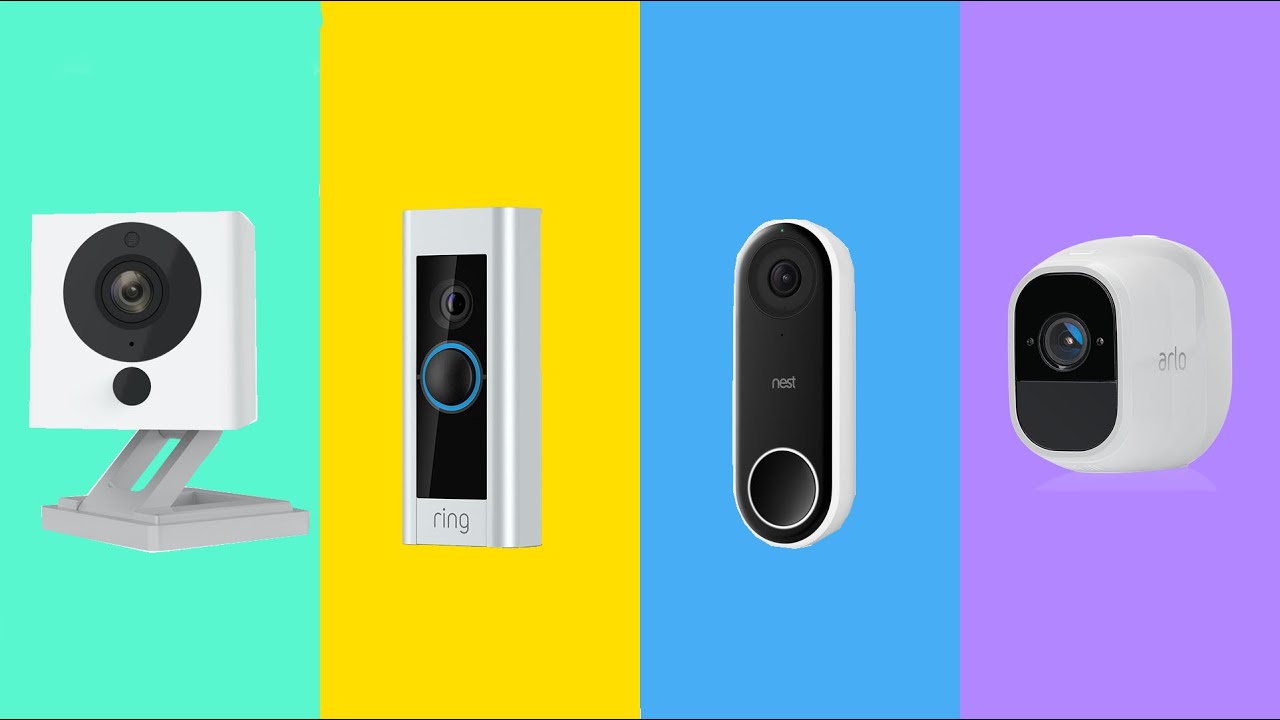
Ring: The Amazon ecosystem play
Ring has firmly established itself as a major player in the home security space, largely due to its tight integration with the Amazon ecosystem. Their product line is extensive, covering everything from video doorbells (like the Ring Video Doorbell Pro 2) to indoor and outdoor security cameras, and even complete home security systems with professional monitoring. This broad range means you can often build a comprehensive security setup entirely within the Ring universe.
The real strength of Ring lies in its seamless compatibility with Alexa and Echo devices. You can view live camera feeds on Echo Show displays, receive voice alerts, and arm or disarm your system with voice commands. This convenience is a huge draw for those already invested in the Amazon smart home ecosystem. It’s a level of integration the others struggle to match.
Ring’s Protect plans are tiered, offering different levels of features and cloud storage. As of late 2026, the Basic plan starts around $3.99 per month per camera and provides 30 days of event recording. The Protect Plus plan, at roughly $10 per month, adds extended warranties and professional monitoring. The Protect Pro plan, around $20 per month, includes cellular backup, which is valuable if your internet connection goes down.
Ring still carries the baggage of its privacy record. Between 2024 and 2025, reports of unauthorized access and cozy relationships with police departments soured the brand for many. They've added encryption since then, but for some, the trust is already gone.
Despite the privacy concerns, Ring continues to innovate. Their recent introduction of end-to-end encryption for video recordings is a positive step, though it's not enabled by default and requires users to actively opt-in. They've also expanded their range of features, including advanced motion detection and bird’s eye view, which provides an overhead perspective of events.
Arlo: Wireless Freedom and Flexibility
Arlo differentiates itself with its focus on wireless design and flexible mounting options. Their cameras are known for being easy to install and reposition, making them ideal for renters or those who don’t want to deal with complicated wiring. They offer a range of cameras, from the high-end Ultra series to the more affordable Essential line.
The Arlo Pro 5S 2K is a standout model, offering excellent video quality, color night vision, and a wide 160-degree field of view. Their Ultra 2 cameras boast 4K HDR recording and advanced object detection. The Essential line provides a more budget-friendly option without sacrificing core features.
Arlo’s subscription plans are structured around the Secure and Secure Plus tiers. Secure, around $9.99 per month, provides 30 days of cloud recording for up to five cameras. Secure Plus, at approximately $14.99 per month, extends that recording window to 60 days and adds features like emergency call dispatch and person detection. A key difference with Arlo is their emphasis on local storage; many cameras now include microSD card slots, allowing you to record footage without a monthly subscription.
This local storage option is a significant advantage for privacy-conscious users. It also provides a backup in case of internet outages. However, local storage requires you to manage the storage yourself and ensure the microSD card is secure. Arlo also offers a SmartHub base station which can connect to cameras directly and provide local storage capabilities.
Arlo’s cameras generally integrate well with other smart home platforms, including Amazon Alexa, Google Assistant, and Apple HomeKit. This broader compatibility is a strength compared to Ring’s more Amazon-centric approach. They’ve also been steadily improving their app, making it more user-friendly and feature-rich.
Google Nest: Smart Home Integration
Google Nest cameras are renowned for their seamless integration with the Google Home ecosystem and Google Assistant. If you’re heavily invested in Google’s smart home products, a Nest camera is a natural fit. Features like facial recognition and intelligent alerts work exceptionally well within the Google Home environment.
The Nest Cam (battery) is a popular choice, offering wireless flexibility and intelligent alerts. The Nest Cam with floodlight provides enhanced security with a built-in spotlight and siren. And the Nest Doorbell (battery) offers a convenient way to monitor your front door.
Nest Aware is Google’s subscription service, offering features like event video history (up to 60 days, depending on the plan), facial recognition, and intelligent alerts that can distinguish between people, animals, and vehicles. The basic Nest Aware plan currently costs around $6 per month, while Nest Aware Plus, at approximately $12 per month, adds 10 days of continuous video recording.
Google’s history with home security is somewhat checkered. The acquisition of Dropcam and Revolv, followed by the discontinuation of both products, left some customers feeling burned. This history has made Google more cautious and focused on long-term support and integration. They seem to have learned from those past mistakes.
Nest cameras prioritize privacy, with features like two-factor authentication and data encryption. However, Google’s data collection practices are still a concern for some users. It’s important to review Google’s privacy policy and understand how your data is being used. The company has been making efforts to improve transparency and give users more control over their data.
Direct feature comparison
Let's break down a direct comparison of key features. Video quality is generally excellent across all three brands, with Ring and Arlo offering cameras up to 4K resolution, while Nest typically tops out at 1080p or 2K. However, resolution isn't everything. The quality of the lens, image processing, and low-light performance are equally important.
Night vision capabilities vary. Arlo’s color night vision is a standout feature, providing clear and detailed footage even in complete darkness. Ring and Nest offer infrared night vision, which is effective but lacks the color detail. Field of view is also important; Arlo generally offers the widest field of view, allowing you to see more of your property.
Motion detection is a core feature, and all three brands use AI to differentiate between people, pets, and vehicles. Nest's facial recognition is particularly accurate, but it requires a Nest Aware subscription. Arlo and Ring also offer person detection, but it's not always as reliable.
Two-way audio is standard on all cameras, allowing you to communicate with visitors or deter potential intruders. Cloud storage costs are a significant factor. Ring and Arlo require subscriptions for cloud recording, while Nest Aware offers tiered plans with varying storage durations. Arlo’s local storage options provide a cost-effective alternative.
Integration with other smart home devices is a key differentiator. Ring excels within the Amazon ecosystem, Nest integrates seamlessly with Google Home, and Arlo offers broader compatibility with multiple platforms. Ease of use is subjective, but all three brands have relatively user-friendly apps.
- Video quality: Ring and Arlo hit 4K; Nest stays at 2K.
- Night Vision: Arlo (color night vision), Ring & Nest (infrared)
- Field of View: Arlo (widest), Ring & Nest (standard)
- Motion Detection: Nest (facial recognition), Arlo & Ring (person detection)
- Cloud Storage Costs: Ring & Arlo (subscription required), Nest (tiered subscriptions)
Ring vs. Arlo vs. Google Nest Security Cameras: 2026 Comparison
| Feature | Ring | Arlo | Google Nest |
|---|---|---|---|
| Ease of Installation | Good | Excellent | Good |
| Video Quality | Good | Excellent | Excellent |
| Smart Home Integration | Good | Good | Excellent |
| Subscription Cost | Fair | Fair | Fair |
| Privacy Features | Fair | Good | Good |
| Customer Support | Fair | Good | Good |
| Local Storage Options | Limited | Available | Available |
Illustrative comparison based on the article research brief. Verify current pricing, limits, and product details in the official docs before relying on it.
Pricing and Long-Term Costs
The initial cost of the hardware varies depending on the camera model and features. Ring cameras generally range from $80 to $300, Arlo cameras from $100 to $400, and Nest cameras from $130 to $350. However, the long-term costs associated with subscription fees can be significant. Ring’s Protect plans start around $4 per month per camera, Arlo’s Secure plans around $10 per month, and Nest Aware around $6 per month.
Don't just look at the sticker price. A $100 camera with a $10 monthly fee costs $460 over three years. Arlo is the only one here that lets you dodge these fees entirely by using a microSD card, though you'll have to buy the card and manage the files yourself.if desired.
I'm not sure about exact pricing fluctuations, but these figures represent current estimates as of late 2026. Prices are subject to change, so it’s always best to check the manufacturer’s website for the latest information. Keep an eye out for sales and promotions, which can significantly reduce the initial hardware cost.
Which Camera System is Right for You?
Choosing the right camera system depends on your individual needs and priorities. If you’re already heavily invested in the Amazon ecosystem and value seamless integration with Alexa, Ring is a strong contender. If you prioritize wireless freedom, flexible mounting options, and local storage, Arlo is an excellent choice.
If you’re a Google Home user and want intelligent alerts and facial recognition, Nest is the way to go. Consider your budget, privacy concerns, and desired features. If privacy is a top priority, Arlo’s local storage options are a significant advantage. If you’re on a tight budget, Ring’s basic plans may be the most affordable option.
Ultimately, there’s no one-size-fits-all answer. Carefully weigh the pros and cons of each system and choose the one that best meets your specific needs. Don't be afraid to mix and match cameras from different brands to create a customized security setup. The best system is the one that gives you peace of mind.
Featured Products

Head-to-Toe video with Live View and Two-Way Talk · Motion Detection & Alerts · Satin Nickel finish with Recycled Content Certification
This doorbell offers comprehensive security monitoring with convenient features for home or business use.

2K HDR video with 12X zoom and Color Night Vision · Dual-Band Wi-Fi connectivity · Integrated siren and two-way audio
This renewed Arlo camera provides high-quality video and advanced features for robust outdoor security.

Indoor or outdoor use with battery power · 2nd generation Nest Cam technology · 1-pack configuration
The Google Nest Cam offers versatile placement options and reliable performance for home security.

Universal mount bracket for bullet security cameras · Metal enclosure designed to hide cables · Waterproof outdoor camera cover and base junction box
This accessory is essential for protecting and neatly installing outdoor bullet security cameras.
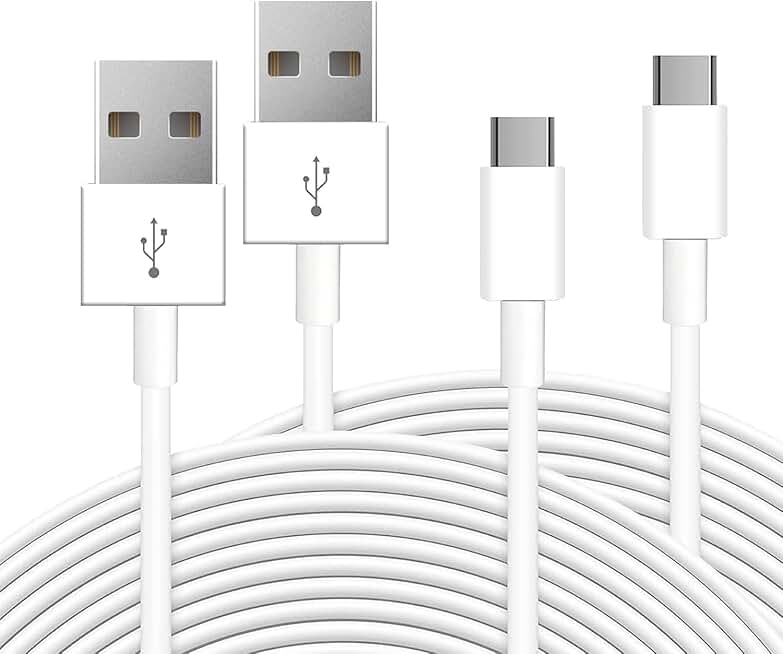
2-pack of 16.4ft/5M long USB-C cables · Durable USB A to USB C charging and data sync · Compatible with various USB-C devices including home security cameras
These long USB-C cables are ideal for powering and connecting various smart home devices, including security cameras.
As an Amazon Associate I earn from qualifying purchases. Prices may vary.
No comments yet. Be the first to share your thoughts!