

The core differences between wired and wireless
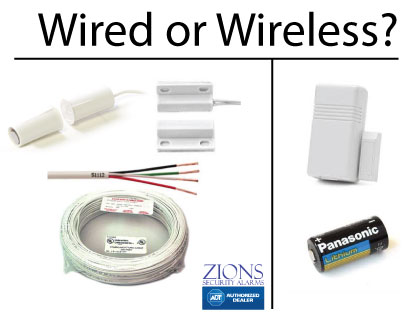
Home security used to mean drilling holes and running copper through your walls. While that's still an option, the tech has changed. In 2026, the choice between wired and wireless is really about how your sensors talk to the brain of the system. Wired systems typically rely on a physical connection – usually Ethernet or dedicated security wiring – to transmit signals to a central control panel. Wireless systems, on the other hand, use radio frequencies like Wi-Fi, Z-Wave, or cellular connections.
Five years ago, wireless systems often felt like a compromise. They were easier to install, but often suffered from reliability issues and security concerns. Now, improvements in wireless protocols and encryption standards have closed that gap significantly. We’ve seen a move away from relying solely on Wi-Fi for security devices, with Z-Wave and cellular becoming increasingly popular for critical sensors. This is because Wi-Fi networks in a home can be congested, and are often the first target of attackers.
The core of a wired system remains a control panel connected to door/window sensors, motion detectors, and cameras via physical wiring. A wireless system uses a central hub that communicates with these devices over the air. The hub then connects to the internet, allowing for remote monitoring and control. The evolution hasn’t been linear; we're seeing more systems that blend these approaches, offering some wired components for critical security and wireless options for convenience.
Wireless systems: convenience and its trade-offs
The biggest draw of wireless security systems is undoubtedly convenience. The promise of DIY installation is a major selling point, and for many, it delivers. However, don't underestimate the time and effort involved in properly configuring a wireless system. It’s not simply a matter of plugging things in. You need to understand your Wi-Fi network, ensure adequate signal strength throughout your home, and carefully position sensors for optimal performance. I've seen too many installations fail because people didn’t fully grasp these aspects.
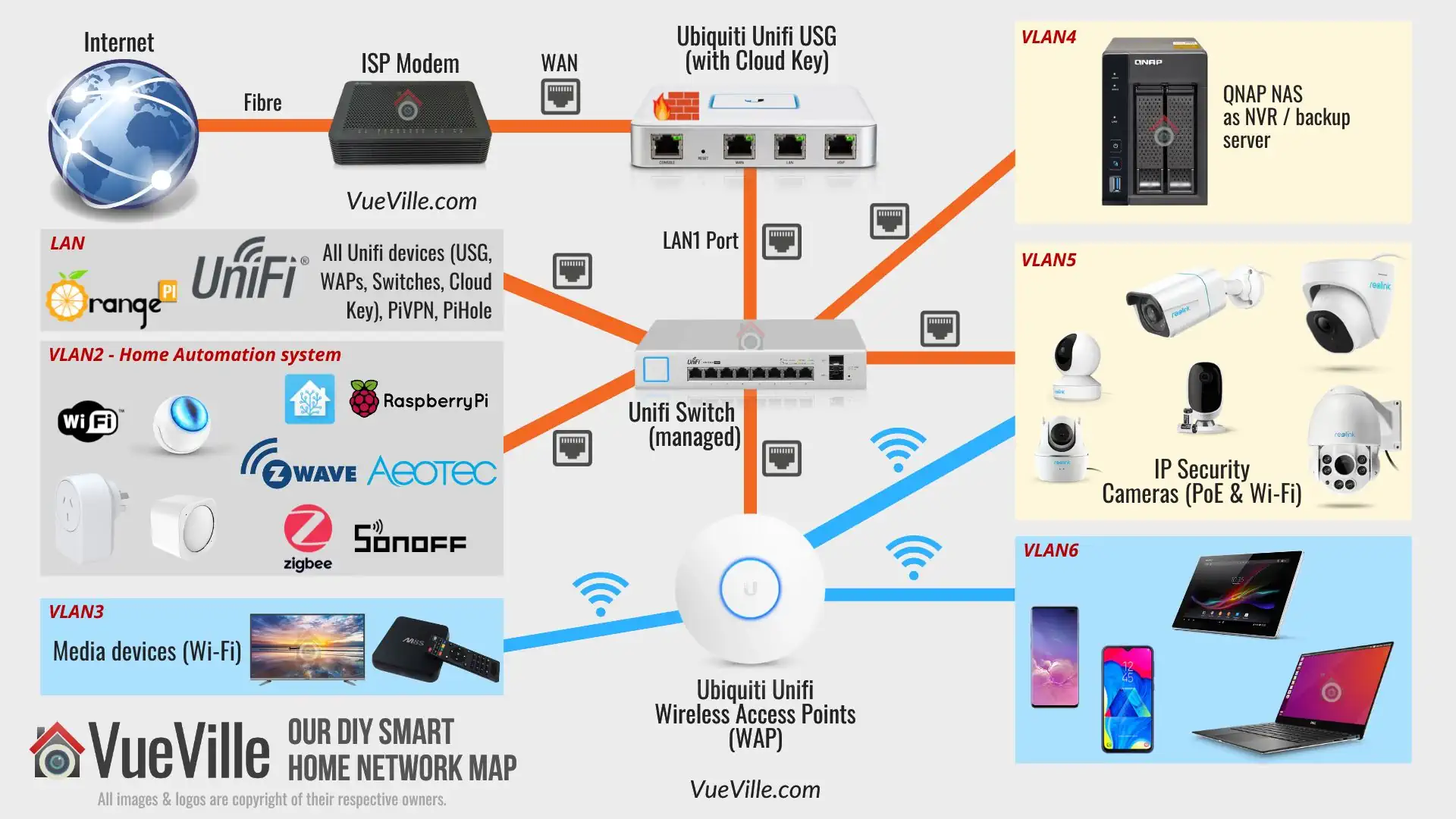
Wireless systems utilize several communication protocols, each with its own strengths and weaknesses. Wi-Fi is the most common, but it's also the most susceptible to interference and hacking. Z-Wave and Zigbee are low-power mesh networks designed specifically for smart home devices, offering better security and reliability than Wi-Fi. Cellular connections provide a backup in case your internet goes down, but they come with monthly fees. The National Institute of Standards and Technology (NIST) provides detailed guidelines for securing WLANs (nvlpubs.nist.gov) – it’s a dense read, but a worthwhile one if you’re serious about wireless security.
Concerns about hacking are legitimate. Older wireless encryption standards like WEP and WPA are easily cracked. WPA2 is better, but even it has vulnerabilities. WPA3 is the current standard and offers significantly improved security, but not all devices support it. Signal interference is another issue. Thick walls, metal objects, and other electronic devices can disrupt wireless signals, leading to false alarms or dropped connections. A robust signal strength test is a must before committing to a wireless system. It's not an automatic 'insecure' label, but requires more active management than wired systems.
- Wi-Fi is easy to set up but gets crowded and is easier for hackers to jam.
- Z-Wave/Zigbee: Low-power, mesh networks, more secure and reliable than Wi-Fi.
- Cellular: Provides backup connectivity, but incurs monthly fees.
Wired Systems: Reliability and Drawbacks
The primary advantage of wired systems is their reliability. A direct physical connection is far less susceptible to interference than a wireless signal. This translates to fewer false alarms and a more consistent level of security. However, this reliability comes at a price. Professional installation is almost always required, as running wires through walls and connecting components correctly demands specialized knowledge and tools.
Installation can be disruptive and expensive. It often involves drilling holes, fishing wires, and potentially patching drywall. Older homes with outdated wiring can present additional challenges. It's essential to ensure that your home's wiring is compatible with the security system and can handle the electrical load. The type of wiring used also matters; shielded wiring is less susceptible to interference than unshielded wiring.
A key consideration with wired systems is how they handle power outages. While the control panel typically has a battery backup, the sensors themselves may not. Therefore, it’s vital to ensure that your system has sufficient battery backup capacity to keep it running during an outage. I'm seeing a growing trend towards hybrid systems that combine the reliability of wired sensors for critical entry points with the convenience of wireless sensors for less critical areas. This seems like a sensible compromise to me.
Security protocols in 2026
The security of any system, wired or wireless, hinges on the protocols it uses. In 2026, WPA3 is the dominant wireless encryption standard, offering robust protection against hacking. However, the security of a system is only as strong as its weakest link. Manufacturers are increasingly incorporating features like rolling codes – which change frequently to prevent replay attacks – and two-factor authentication to add an extra layer of security.
Wired systems typically rely on encrypted communication between the control panel and the monitoring center. The specific encryption standards used vary by provider, but most reputable companies employ industry-standard encryption algorithms. Regardless of whether you choose a wired or wireless system, keeping your firmware updated is crucial. Manufacturers regularly release updates to address security vulnerabilities and improve performance.
Cameras, particularly wireless surveillance cameras, are often the most vulnerable point in a security system. The DHS TechNote on wireless surveillance camera systems (dhs.gov) highlights the risks of unauthorized access and data breaches. Look for cameras that support end-to-end encryption and offer strong password protection. Regularly review your camera settings and disable any features you don’t need.
- WPA3 is the current encryption standard you should look for.
- Rolling Codes: Prevent replay attacks.
- Two-Factor Authentication: Adds an extra layer of security.
- End-to-End Encryption: Secures video streams from cameras.
Security Protocol Comparison: Wired vs. Wireless Systems (2026)
| Protocol | Wired System Support | Wireless System Support | Security Strength | Complexity |
|---|---|---|---|---|
| AES (Advanced Encryption Standard) | Generally Supported | Widely Supported | High | Medium |
| Rolling Codes | Commonly Used | Increasingly Common | Medium | Low |
| Two-Factor Authentication (2FA) | Available in Advanced Systems | Becoming More Prevalent | High | Medium |
| WPA3 (Wi-Fi Protected Access 3) | Not Applicable | Expected to be Standard | High | Medium to High |
| TLS/SSL (Transport Layer Security/Secure Sockets Layer) | Common for Remote Access | Essential for Cloud Connectivity | High | Medium |
| Proprietary Encryption | Often Used | Common, varies by manufacturer | Variable (Low to High) | Variable (Low to High) |
| Frequency Hopping Spread Spectrum (FHSS) | Not Applicable | Used in Some Wireless Systems | Medium | Medium |
Illustrative comparison based on the article research brief. Verify current pricing, limits, and product details in the official docs before relying on it.
What you'll pay upfront and monthly
Upfront costs for wireless systems are generally lower than for wired systems. A typical DIY wireless system can range from $200 to $800, depending on the number of sensors and features. Wired systems, on the other hand, can easily cost $800 to $2000 or more, including professional installation. The cost of installation can vary significantly depending on the size of your home and the complexity of the wiring.
Ongoing costs include monitoring fees, maintenance, and potential repair bills. Professional monitoring typically costs between $20 and $60 per month. Self-monitoring options are available, but they require you to be responsible for responding to alarms and contacting emergency services. Maintenance costs can include replacing batteries, repairing damaged sensors, and updating firmware. It’s wise to budget for these expenses.
Watch out for the hidden fees. Many wireless cameras won't save video unless you pay for a monthly cloud subscription. Some brands even lock basic features like remote arming behind a paywall. Read the fine print so you aren't surprised by the bill.
The best systems on the market right now
Choosing the 'best' system is subjective, depending on your individual needs and budget. However, several systems consistently receive high marks from users and experts. In the wireless category, SimpliSafe stands out for its affordability, ease of use, and comprehensive monitoring plans. Ring Alarm is another popular option, particularly for those already invested in the Ring ecosystem. Abode offers a more customizable experience, with support for a wide range of smart home devices.
For those prioritizing reliability, ADT remains a top choice for wired systems. They offer professional installation, 24/7 monitoring, and a wide range of security features. Vivint is another strong contender, known for its advanced technology and smart home integration. Brink Home provides a more flexible approach, allowing you to choose between professional and self-monitoring.
Nest Secure (though Google has discontinued it, existing systems remain viable) was praised for its sleek design and integration with other Nest products. Blue by ADT offers a more affordable option from ADT, leaning towards a DIY approach with professional monitoring available. Frontpoint is often recommended for its customer service and customizable packages. These selections represent a range of options, and it’s important to research each system thoroughly before making a decision.
- Wireless: SimpliSafe, Ring Alarm, Abode, Nest Secure, Blue by ADT, Frontpoint
- Wired: ADT, Vivint, Brink Home
Featured Products

11-piece wireless security system · Includes wireless indoor HD camera · Optional 24/7 professional monitoring
This comprehensive wireless system offers a robust set of features and smart home integration, making it a strong contender for wireless home protection.

14-piece wireless security kit · Expandable system for homes or businesses · Easy mobile app control
The Ring Alarm kit provides a user-friendly, expandable wireless security solution with convenient mobile control and optional professional monitoring.

4-piece wireless smart security system · Works with Apple HomeKit, Z-Wave, and Zigbee devices · Expandable to cover the entire home
Abode's system stands out for its broad compatibility with various smart home protocols, offering flexibility and optional professional monitoring for wireless security.
14-piece wireless security kit · Expandable system for homes or businesses · Easy mobile app control
The Ring Alarm kit provides a user-friendly, expandable wireless security solution with convenient mobile control and optional professional monitoring.
![[16CH Expandable] Hiseeu Home Security System, 24/7 Recording 5MP Wired Plug-in Powered Outdoor Bullet Cameras, 2.4G/5G WiFi Pro, 4K NVR with 12" LCD Monitor, 3TB HDD, Night Vision, IP65](https://m.media-amazon.com/images/I/71tF6-R7CfL._AC_UY654_QL65_.jpg)
16-channel expandable wired security system · 5MP wired bullet cameras with 24/7 recording · Includes 4K NVR with 12-inch LCD monitor
This wired system offers high-resolution, continuous recording with a dedicated monitor and NVR, providing a robust and reliable wired surveillance solution.
As an Amazon Associate I earn from qualifying purchases. Prices may vary.
Featured Products

HD printed waterproof decals · Designed for home windows and doors · Features ADT branding for deterrence
These stickers serve as a visual deterrent, signaling to potential intruders that your home is protected by a security system.

Portable door lock for added security · Suitable for home, dorm, apartment, and hotel use · Easy to install privacy latch
This portable lock provides an extra layer of security for doors, offering peace of mind in various living situations.

Includes 9 pieces with outdoor camera and wired doorbell · Optional 24/7 professional monitoring · No contract required, compatible with Alexa and Google Assistant
This wireless system offers comprehensive protection with optional professional monitoring and smart home integration, providing flexibility and robust security.

Vista 20P control panel · 6160 alphanumeric keypad · Includes 12V 4AH battery
This Honeywell kit provides a foundational wired security system, known for its reliability and expandability for comprehensive home protection.
![[16CH Expandable] Hiseeu Home Security System, 24/7 Recording 5MP Wired Plug-in Powered Outdoor Bullet Cameras, 2.4G/5G WiFi Pro, 4K NVR with 12" LCD Monitor, 3TB HDD, Night Vision, IP65](https://m.media-amazon.com/images/I/71tF6-R7CfL._AC_UL960_QL65_.jpg)
16-channel expandable system with 5MP wired cameras · 24/7 recording with 3TB HDD and 12" LCD monitor · IP65 weatherproof cameras with night vision
This wired security system offers enhanced reliability and a robust connection, ideal for homeowners prioritizing maximum security and minimal interference.
As an Amazon Associate I earn from qualifying purchases. Prices may vary.


No comments yet. Be the first to share your thoughts!