
Cameras in 2026: What’s Changed
Home security cameras have evolved significantly. In 2026, smarter devices driven by AI are common. Cameras now identify people, packages, and animals more accurately, reducing false alarms. Cloud storage is dominant, but local storage options are growing.
Privacy concerns remain high. People are more aware of data usage, prompting companies to implement new security measures and transparency policies. Integration with smart home ecosystems is now standard; cameras must work with existing devices.
Recent upgrades don't guarantee long-term suitability. Innovation is rapid; improvements in low-light performance and battery life are noticeable. Today's cameras are far more capable than those from a few years ago, offering better protection but a more complex buying decision.
Ring: The Amazon Ecosystem Advantage
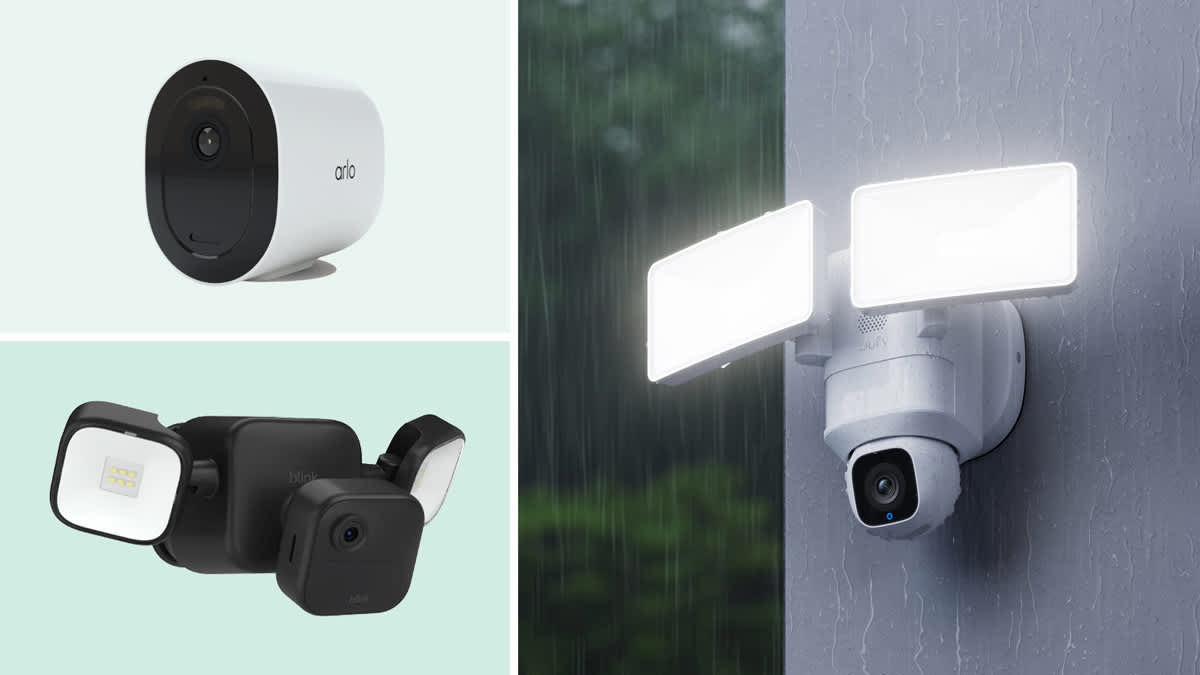
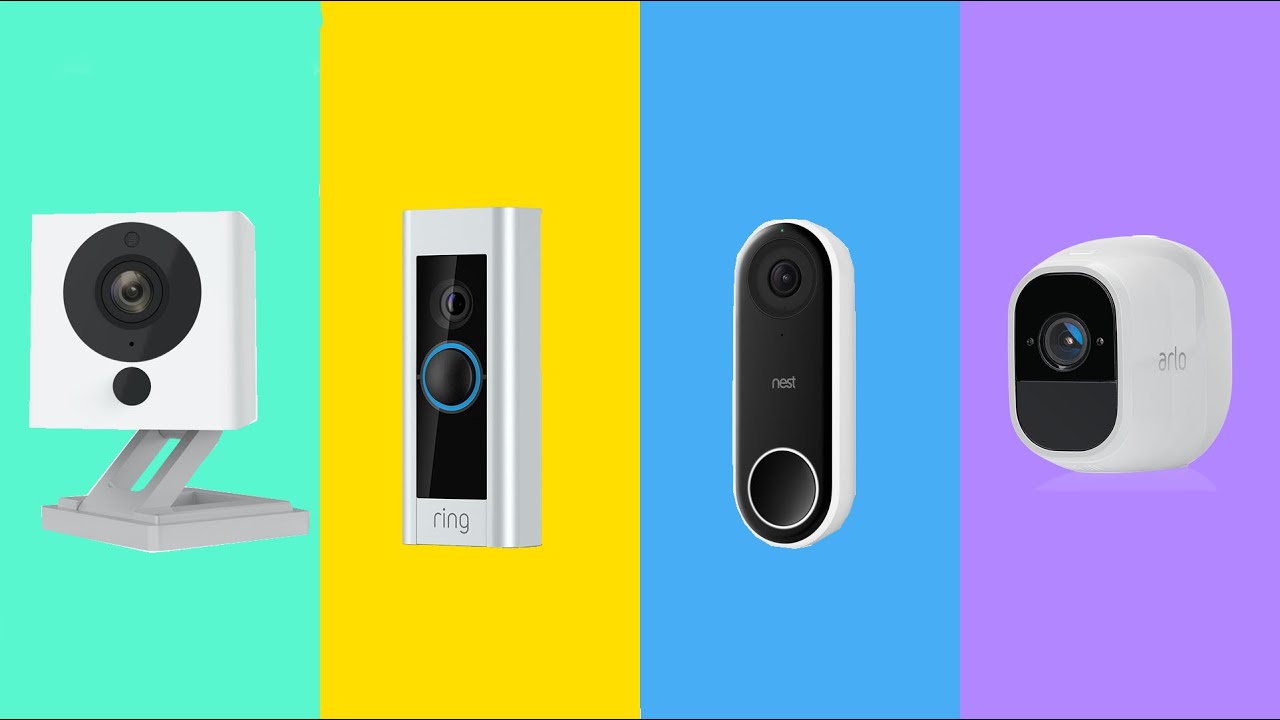
Ring, owned by Amazon, is a dominant force in home security cameras. Their product line includes the versatile Stick Up Cam (battery, solar, wired) and the Floodlight Cam. The Ring Video Doorbell range is also popular, with various features and price points.
Ring's biggest strength is its integration with Alexa and the Amazon ecosystem. View camera feeds on Echo Show devices, receive motion alerts, and arm/disarm with voice commands. This convenience is a major draw, but it also means deeper integration into the Amazon ecosystem.
Ring Protect plans are essential for full camera functionality. The Basic plan ($3.99/month) offers cloud recording for one camera. Protect Plus ($10/month) covers all Ring devices and adds an extended warranty. Without a subscription, cameras only offer live view.
Ring has faced criticism over privacy practices, especially law enforcement access to footage. They've implemented opt-in end-to-end encryption for recordings, which buyers should configure. Reports of account takeovers highlight the need for strong passwords and two-factor authentication.
Arlo: Flexibility and Cloud Focus
Arlo emphasizes wireless flexibility and a cloud platform. Their lineup includes the Pro 5, Ultra 2, and Essential series, catering to various budgets and needs. Pro and Ultra cameras offer higher resolution and advanced features; Essential is more affordable.
Arlo's strength is its completely wireless design, allowing easy installation and placement. This convenience relies heavily on cloud storage and subscriptions, which can become expensive. The cameras are well-built, but the ongoing cost is significant.
Arlo offers a tiered subscription model. The free Basic plan has limited functionality. Arlo Secure ($9.99/month) includes cloud recording, person detection, and emergency call support. Higher tiers offer longer recording windows and advanced features. Evaluate your needs and budget carefully.
A downside of Arlo's cloud-first approach is reliance on a stable internet connection. Internet outages can lead to loss of live feeds and recorded footage. Arlo offers local storage with some cameras and a base station, but it's not widespread. Expansion of local storage support is anticipated.
Google Nest: Smart Home Integration
Google Nest cameras (Cam IQ, Cam Outdoor, Video Doorbell) integrate with the Google Home ecosystem, making them a natural choice for users invested in Google Assistant and Nest products. The focus is on user-friendliness and intelligent features.
Nest's Google Home integration is a major selling point. View camera feeds on Nest Hub displays, get voice alerts via Google Assistant, and create routines based on camera events. The system is easy to set up and use, offering a polished experience.
Nest Aware subscriptions are required for full Nest camera potential. Nest Aware ($8/month) provides event video history, familiar face detection, and intelligent alerts. Nest Aware Plus ($12/month) extends video history to 60 days and adds 10 days of event video history for all cameras. It's comprehensive, but the cost adds up.
Google Nest has faced scrutiny over data privacy practices, with potential data sharing with Google being a concern. Google provides privacy controls, but users should understand data usage. Nest offers some local storage with the Nest Hub Max for added privacy and redundancy.
Feature Face-Off: A Detailed Comparison
Core features across these three systems include video quality, which is generally excellent. All brands offer 1080p or higher resolution. Arlo Ultra 2 offers 4K at a premium price. HDR is common, improving clarity in challenging lighting. Ring and Nest offer very good HDR performance; Arlo's varies by model.
Field of view is important; most cameras offer 130-160 degrees. Arlo typically has a wider field of view, beneficial for larger areas. Night vision is strong across all brands, using infrared LEDs for clear low-light images. Ring's color night vision is notable on some models.
Motion detection accuracy shows more differences. All systems offer person detection, but Arlo and Nest are more accurate at distinguishing people, packages, and animals, reducing false alarms. Two-way audio is standard for remote communication. Smart alerts like package detection are available but vary in reliability.
undefined install, particularly the wired models. Here's a quick rundown:
Video Quality: Arlo Ultra 2 (4K) > Ring (1080p/2K) = Google Nest (1080p)
Field of View: Arlo (160°) > Ring (130°) = Google Nest (130°)
Motion Detection Accuracy: Google Nest > Arlo > Ring
- Arlo: Best for wireless flexibility and accurate motion detection.
- Ring: Best for integration with the Amazon ecosystem and affordability.
- Google Nest: Best for smart home integration and ease of use.
Ring vs. Arlo vs. Google Nest Security Cameras: Feature Comparison (2026)
| Feature | Ring | Arlo | Google Nest |
|---|---|---|---|
| Video Quality | Good | Best | Good |
| Ring: Generally provides clear 1080p or 2K resolution, sufficient for most users. Some models offer higher resolution, but core offerings remain at these standards. | Arlo: Consistently delivers high-resolution footage, with many cameras offering 2K or 4K options and excellent dynamic range for detail in varying lighting conditions. | Google Nest: Offers crisp 1080p or 2K video, known for its wide-angle view and HDR capabilities, providing detailed images. | |
| Motion Detection | Okay | Good | Best |
| Ring: Motion detection can be prone to false alarms, requiring frequent adjustment of sensitivity settings. Zone customization is available, but can be complex. | Arlo: Offers advanced motion detection with customizable activity zones and object detection (person, vehicle, animal, package) reducing false alerts. | Google Nest: Intelligent alerts differentiate between people, animals, vehicles, and other motion, minimizing unnecessary notifications. Integrates well with Google Assistant for voice alerts. | |
| Smart Home Integration | Good | Good | Best |
| Ring: Primarily integrates with Amazon Alexa ecosystem. Limited compatibility with other platforms. | Arlo: Works with a broad range of smart home platforms, including Amazon Alexa, Google Assistant, Apple HomeKit, and IFTTT. | Google Nest: Seamless integration with Google Home ecosystem and Google Assistant. Also compatible with some third-party devices. | |
| Privacy | Okay | Good | Good |
| Ring: Has faced privacy concerns regarding data sharing and law enforcement requests. Offers end-to-end encryption on some models, but not all. | Arlo: Offers strong privacy features, including two-factor authentication and encrypted local storage options. Provides more transparency regarding data usage. | Google Nest: Provides data encryption and privacy controls, but relies heavily on cloud storage, raising some privacy considerations for users. Offers end-to-end encryption for some features. | |
| Subscription Cost | Good | Okay | Okay |
| Ring: Offers a range of subscription plans for cloud storage and advanced features. Can become expensive with multiple cameras. | Arlo: Subscription plans are generally more expensive than Ring's, particularly for advanced features like cloud storage and AI-powered analysis. | Google Nest: Requires a Nest Aware subscription for full access to features like facial recognition and extended video history. Cost is competitive with Arlo. | |
| Ease of Use | Best | Good | Good |
| Ring: User-friendly app interface and straightforward setup process. Designed for ease of installation and operation. | Arlo: App interface is functional but can be less intuitive than Ring's. Setup can be more complex depending on the model. | Google Nest: Setup is generally easy, especially for users already within the Google ecosystem. App is well-designed but feature-rich, potentially overwhelming for some. |
Illustrative comparison based on the article research brief. Verify current pricing, limits, and product details in the official docs before relying on it.
Privacy and Security: A Critical Look
Privacy and security are paramount when choosing a home security camera. All three brands offer two-factor authentication, which adds an extra layer of protection to your account. However, end-to-end encryption is not universally available. Arlo offers it on select models, while Ring recently added it as an opt-in feature. Google Nest does not currently offer end-to-end encryption.
Data storage practices vary. Ring and Nest store video recordings in the cloud, while Arlo offers both cloud and local storage options. It's important to understand where your data is being stored and how it's being protected. All three companies have faced security breaches in the past, highlighting the importance of strong passwords and regular security updates. These breaches underscore the inherent risks of cloud-based systems.
Recent vulnerabilities have been identified in Ring cameras, allowing attackers to potentially gain access to live feeds and control devices. Google Nest has also experienced security issues, including vulnerabilities in its smart displays. It’s crucial to stay informed about the latest security threats and apply any available patches promptly. Regularly checking the manufacturer's website for security advisories is a good practice.
Best practices for securing your system include enabling two-factor authentication, using a strong and unique password, keeping your firmware up to date, and being mindful of who has access to your account. Consider using a VPN to encrypt your internet traffic and protect your privacy.
Installation and Long-Term Costs
Installation is generally straightforward for all three systems, particularly for wireless cameras. Ring and Arlo cameras are known for their easy setup process, often requiring just a few minutes to get up and running. Nest cameras can be slightly more involved, especially the wired models. Professional installation is available for an additional fee, but it's usually not necessary for most users.
Long-term costs are a significant factor to consider. The initial cost of the hardware is just the beginning. You'll also need to factor in the cost of cloud storage subscriptions, which can range from $3 to $15 per month per camera. Ring and Nest subscriptions are comparable in price, while Arlo's subscriptions can be more expensive.
Over a 3-year period, the total cost of ownership can vary significantly. A basic Ring or Nest system with one camera and a cloud storage plan could cost around $600 to $900. An Arlo system with comparable features could easily exceed $1000. It's important to carefully calculate the total cost before making a decision. Be aware of limitations on cloud storage duration or video clip length, as these can impact your overall experience.
Hidden costs can include the need for additional accessories, such as mounting brackets or extension cables. Some cameras may require a base station, which adds to the overall cost. Also, consider the cost of replacing batteries for wireless cameras, which can add up over time.
Featured Products

3D Motion Detection · Two-Way Talk with Audio+ · Dual-Band Wifi
This wired camera provides advanced motion detection and clear audio, making it a robust option for continuous surveillance.

2K Video & HDR · Color Night Vision · Wire-Free, Direct to WiFi
The Arlo Pro 4 offers a comprehensive wireless security solution with excellent video quality and the convenience of a multi-camera pack.

Battery-powered · Indoor/Outdoor Versatility · 2-pack with extra cable
This Google Nest Cam 2-pack provides flexible, battery-powered security suitable for both indoor and outdoor use, offering ease of installation.

2K Retinal Resolution · 4x Enhanced Zoom · Low-Light Sight
This affordable 2-pack of Ring Indoor Cams offers excellent video clarity and enhanced zoom for detailed indoor monitoring.

4K Video & HDR · Color Night Vision · 6-Month Battery Life
This renewed Arlo Ultra 2 offers top-tier 4K video quality and long battery life at a value price point, ideal for high-resolution monitoring.
As an Amazon Associate I earn from qualifying purchases. Prices may vary.
Standout Systems and Future Trends
For overall value, the Arlo Essential Spotlight Camera is a standout. It offers a good balance of features and affordability. If you’re heavily invested in the Amazon ecosystem, the Ring Video Doorbell Pro 2 is an excellent choice. Its integration with Alexa is seamless, and its features are top-notch. For smart home integration, the Google Nest Cam (battery) is hard to beat. It’s easy to use, reliable, and integrates seamlessly with Google Home.
Looking ahead, AI-powered analytics will continue to play a larger role in home security cameras. Expect to see more advanced features, such as facial recognition and object detection. Edge computing, which processes data locally on the camera, will become more prevalent, improving privacy and reducing latency. This could reduce reliance on the cloud.
The emergence of Matter, a new smart home connectivity standard, could also have a significant impact. Matter aims to simplify interoperability between devices from different manufacturers. I’m not sure how quickly Matter will be adopted, but it has the potential to make it easier to integrate your security cameras with other smart home devices. The future of home security is likely to be more intelligent, more secure, and more connected.
No comments yet. Be the first to share your thoughts!