
The 2026 Smart Doorbell Landscape: Ring, Arlo, and Nest
The smart doorbell market is expanding, driven by a desire for increased home security and convenience. In 2026, Ring, Arlo, and Nest remain dominant players, but competition is fiercer than ever. A real shift occurred in the past year, with each company trying to differentiate itself through new features and more refined subscription models.
Focus has moved beyond just video capture. Package detection is now standard, but accuracy varies. Local storage options, once rare, are becoming more prevalent as privacy concerns grow. Customers are increasingly wary of relying solely on cloud storage, and rightly so. The debate centers on balancing convenience with control over your own data.
Price points are also shifting. Entry-level models remain affordable, but the cost of advanced features and subscription plans can quickly add up. Buyers in 2026 must understand the total cost of ownership, not just the initial purchase price. It's easy to get lured in by a low price tag, but monthly fees can be substantial over time.
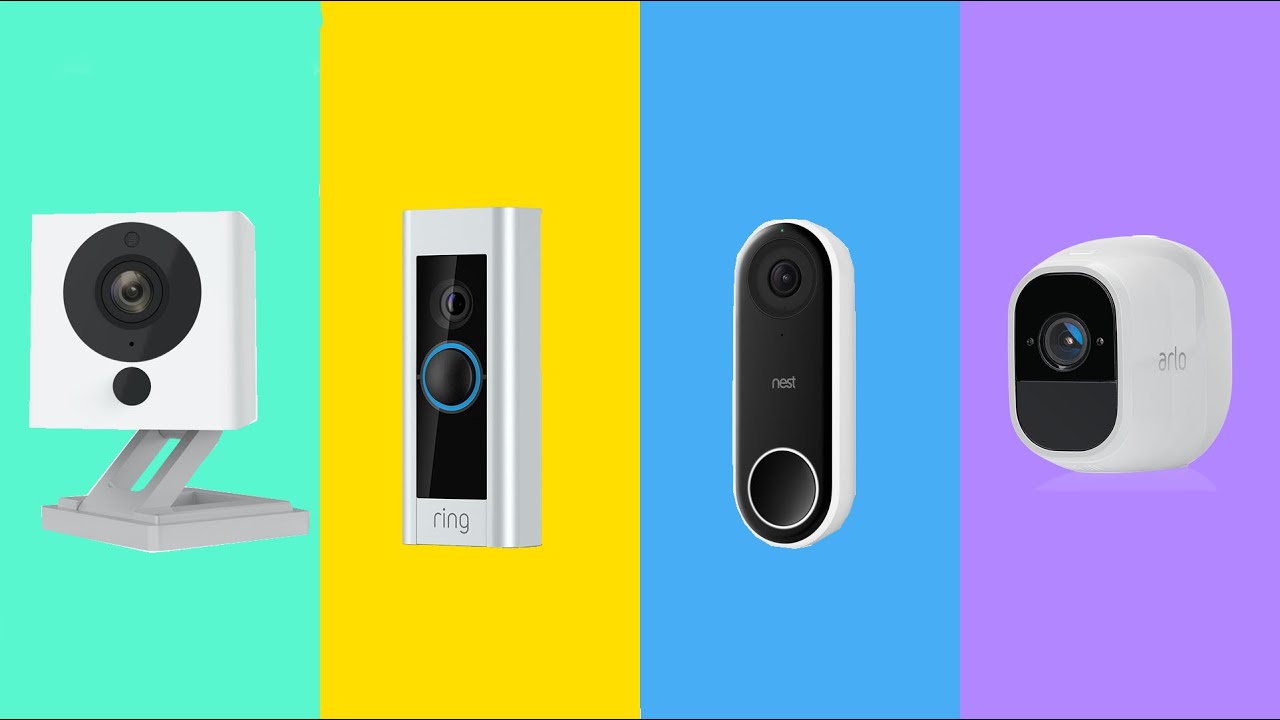
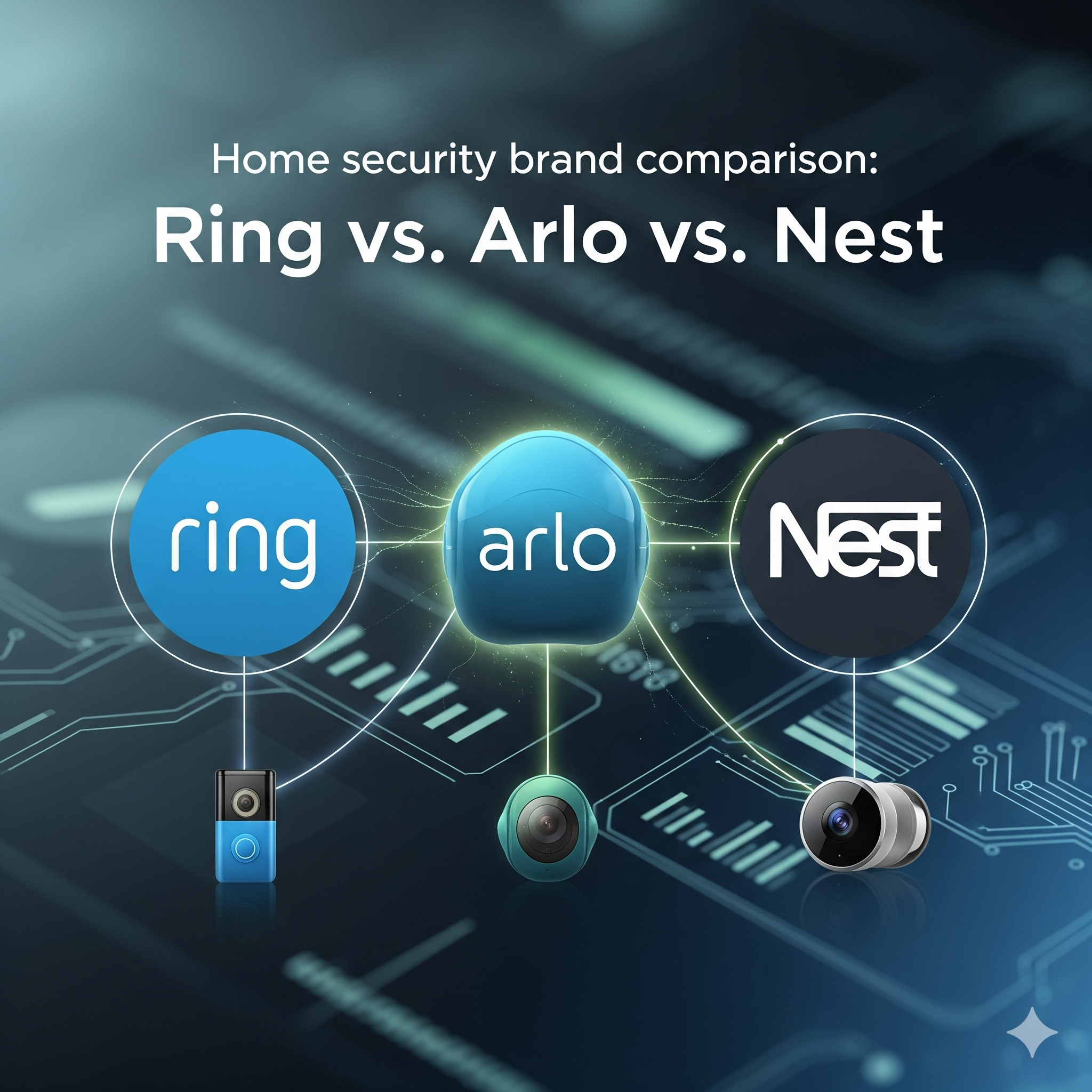
SafeHome.org and Security.org both highlight the ongoing importance of these three brands when evaluating home security options. While other players exist, Ring, Arlo, and Nest consistently top lists for innovation and market share. This comparison breaks down what each offers, and which one might be the best fit for your needs.
Ring: Still the King of Convenience, But at What Cost?
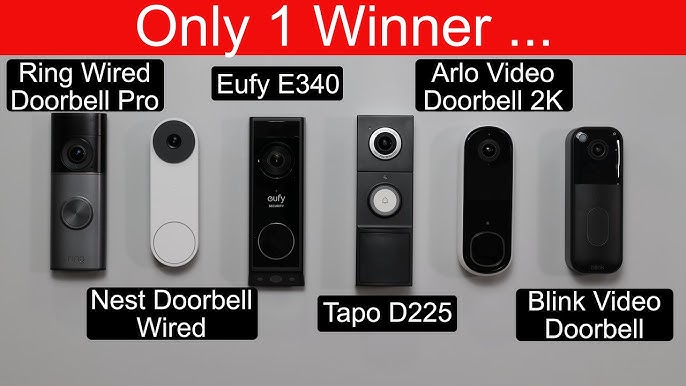
Ring holds a significant market share, largely due to its ease of use and integration with the Amazon ecosystem. The Ring Video Doorbell is a popular entry point, but the Ring Video Doorbell Pro 2 offers advanced features like 3D Motion Detection and bird’s-eye view. They expanded their range to include indoor and outdoor cameras that work seamlessly together.
Ring's appeal lies in its convenience. Package detection works reasonably well, alerting you when a delivery is made. The Neighborhood Watch feature allows you to share video footage with neighbors, creating a sense of community security. Integration with Alexa is seamless; you can view live footage on your Echo Show devices. But this convenience comes with tradeoffs.
Privacy remains a major concern with Ring. The company faced criticism over its partnerships with law enforcement agencies, allowing police to request video footage from users without a warrant in some cases. Ring introduced end-to-end encryption for some features, but it's not enabled by default. Default settings still prioritize cloud storage and data collection. Users should be aware of this deliberate choice.
Subscription costs are significant. The basic Ring Protect plan starts at $3.99 per month, but you need the Protect Pro plan ($10 per month and up) to unlock features like extended video history and professional monitoring. Without a subscription, your Ring doorbell is a fancy, internet-connected peephole. You get live view, but no recording or smart alerts.
Ring's customer support quality is inconsistent. Some users report quick and helpful assistance, while others struggle to get their issues resolved. This inconsistency is a common complaint and something to keep in mind if you anticipate needing technical support.
Smart Home Security Stocks Price Comparison
Key players in the home security and smart doorbell market - December 2024
| Asset | Current Price | 24h | 7d | 30d | Market Cap |
|---|---|---|---|---|---|
| Amazon Inc. AMZN | $178.25 | +1.2% | +3.8% | +8.9% | $1.87T |
| Alphabet Inc. GOOGL | $172.45 | +0.8% | +2.1% | +5.6% | $2.15T |
| Crown Castle Inc. CCI | $95.67 | -0.3% | +1.4% | +3.2% | $42.8B |
| ADT Inc. ADT | $7.82 | +2.1% | +4.7% | +12.3% | $7.1B |
| Arlo Technologies Inc. ARLO | $12.34 | +3.5% | +8.2% | +15.7% | $1.2B |
| Vivint Smart Home Inc. VVNT | $2.45 | +1.8% | +6.3% | +22.1% | $580M |
Analysis Summary
The smart home security sector shows mixed performance with smaller pure-play companies like ARLO and VVNT experiencing higher volatility and growth potential, while tech giants Amazon and Alphabet provide stability through diversified revenue streams beyond their Ring and Nest products.
Key Insights
- Amazon and Alphabet dominate market cap but security represents small revenue portion
- Pure-play security companies (ADT, ARLO, VVNT) show higher growth volatility
- Crown Castle benefits from infrastructure demand for IoT and smart home connectivity
- Smaller security firms trading at significant discounts to tech giants despite specialized focus
Prices reflect recent market data based on current trading ranges. Market caps calculated using outstanding shares and current stock prices.
Disclaimer: Stock prices are highly volatile and subject to market fluctuations. Data is for informational purposes only and should not be considered investment advice. Always do your own research before making investment decisions.
Arlo: Flexibility and Features, But Complexity Creeps In
Arlo positions itself as the premium option in the smart doorbell market, for good reason. The Arlo Essential, Pro, and Ultra lines offer a wide range of features and flexibility. Arlo’s wireless flexibility is a standout feature – you aren’t tethered to existing doorbell wiring, making installation simpler in many cases. Their cameras are known for excellent video quality, even in low light.
Arlo’s advanced features include person/package detection, emergency call support, and the ability to distinguish between family members and strangers. The Arlo Ultra 2, for example, has a 4K HDR camera and a wider field of view. Unlocking these features requires a subscription.
Arlo's subscription model is notoriously complex, with different tiers offering varying levels of access to features and storage. The Arlo Secure plan is essential for accessing cloud recording, smart detection, and emergency call support. But even with Arlo Secure, some features require an additional subscription.
Local storage is available with an Arlo SmartHub, but it’s an additional expense and doesn't eliminate the need for a subscription entirely. You still need a subscription to access features like intelligent detection and activity zones. This tiered approach can be frustrating for users who want a simple, all-inclusive solution. It feels like nickel-and-diming at times.
Arlo’s app, while feature-rich, can be overwhelming for first-time users. The sheer number of settings and customization options can be daunting. It takes time and effort to learn how to get the most out of your Arlo system.
Arlo Subscription Plan Comparison (2026)
| Plan Name | Cloud Recording Length | Smart Alerts | Emergency Call Support | Cameras Supported |
|---|---|---|---|---|
| Smart | 30-day recording history | Person, vehicle, animal, package detection | Not Included | Up to 5 |
| Premier | 60-day recording history | Advanced object detection (person, vehicle, animal, package, and more) | Included - access to 24/7 professional monitoring options through third parties | Up to 10 |
| Elite | Extended recording history | Advanced object detection with cloud-based processing | Included - access to 24/7 professional monitoring options through third parties | Up to 15 |
| Smart | Live View | Basic motion detection | None | 1 |
| Premier | Cloud Storage | Intelligent notifications | Optional add-on | Multiple |
| Elite | Long-Term Storage | Enhanced alerts and cloud processing | Professional monitoring available | Unlimited |
Illustrative comparison based on the article research brief. Verify current pricing, limits, and product details in the official docs before relying on it.
Nest: Google's Smart Home Integration and AI Prowess
Nest, now fully integrated into the Google ecosystem, takes a different approach to smart doorbells. The Nest Doorbell (battery) and Nest Doorbell (wired) offer a streamlined experience, particularly for those invested in Google smart home products. Seamless integration with Google Assistant and Google Home devices is the key advantage.
Nest’s AI-powered features are impressive. Familiar face detection recognizes frequent visitors and sends personalized notifications. Intelligent alerts distinguish between people, packages, animals, and vehicles, reducing false alarms. The system learns over time, becoming more accurate at identifying familiar faces.
Nest’s reliance on cloud storage raises privacy concerns. All video footage is stored in the cloud, and Google collects and analyzes user data. While Google claims to prioritize user privacy, the potential for data breaches and misuse remains a concern. Nest Aware, their subscription service, is required to access video history and advanced features.
Nest Aware's cost is competitive with Ring and Arlo, but its value proposition depends on how heavily you rely on Google’s ecosystem. If you already use Google Assistant and Google Home devices, the integration is a major benefit. If not, you might not see as much value.
Nest's app
Installation and Ease of Use: Who Makes Life Easier?
Installation varies between the brands. Ring is generally the easiest to install, particularly if you have existing doorbell wiring. Arlo is also relatively straightforward, thanks to its wireless options. Nest can be more challenging, especially the wired version, which may require professional installation. Professional installation costs typically range from $100 to $200.
Ring’s app is arguably the most user-friendly. The interface is clean and intuitive, making it easy to navigate settings and view footage. Arlo’s app is more complex, with a steeper learning curve. Nest’s app strikes a balance between simplicity and functionality.
Notification reliability is crucial, and all three brands generally perform well. However, I’ve noticed occasional delays or missed notifications with Arlo, particularly when the Wi-Fi signal is weak. Ring and Nest tend to be more consistent in this regard. A strong Wi-Fi connection is essential for all three systems.
Consider your technical aptitude when choosing a system. If you're comfortable with DIY projects, Ring or Arlo are good options. If you prefer a more hands-off approach, Nest might be a better fit. Don’t underestimate the importance of a reliable Wi-Fi network – a weak signal can negate the benefits of even the most advanced smart doorbell.
Privacy and Security: What Are You Giving Up?
Privacy is a paramount concern with smart doorbells. Ring has faced the most scrutiny in this area, due to its history of sharing footage with law enforcement. While they’ve made changes to address these concerns, users should still be aware of the potential risks. Arlo and Nest also collect user data, although their policies differ.
Ring’s privacy policy states that they collect video recordings, audio recordings, and other information about your use of the device. This data is used to improve the service, personalize your experience, and target advertising. You can opt out of some data collection, but not all. Arlo’s policy is similar, emphasizing data analysis for product improvement.
Nest’s privacy policy is tied to Google’s broader data collection practices. Google collects data from all of its products, including Nest doorbells, to personalize ads and improve its services. This is a major concern for privacy advocates. Each company employs encryption to protect data in transit, but the risk of hacking and unauthorized access remains.
To mitigate these risks, enable two-factor authentication on your account, use a strong password, and regularly update your device’s firmware. Be mindful of what you say and do in front of your doorbell, and consider disabling features you don’t need. Review the privacy policies of each company carefully before making a purchase.
It's important to remember that no smart home device is completely secure. There's always a risk of being hacked or having your data compromised. By taking proactive steps to protect your privacy, you can minimize these risks.
Future-Proofing Your System: What to Expect in 2027 and Beyond
The smart doorbell market is evolving rapidly. In 2027 and beyond, we can expect to see even more advanced features, driven by AI and machine learning. More sophisticated person detection, package recognition, and even the ability to identify suspicious activity are likely. Integration with other smart home devices will become even more seamless.
The Matter standard, designed to improve interoperability between smart home devices, could play a significant role. If Matter gains widespread adoption, it will be easier to connect smart doorbells from different manufacturers to a single platform. This would reduce vendor lock-in and give consumers more flexibility.
We may also see a shift towards more localized processing. Instead of sending all video footage to the cloud, more processing could be done on the device itself, improving privacy and reducing latency. Edge computing will likely become more prevalent.
Predicting prices is difficult, but I expect that the cost of advanced features will continue to decline. Competition will drive down prices, making smart doorbells more accessible to a wider range of consumers. Subscription costs may also stabilize, as companies try to attract and retain customers. It's reasonable to anticipate a base-level, feature-rich doorbell around $150-$200 in 2027.
New regulations and privacy laws could also shape the future of the smart doorbell market. Governments are increasingly focused on protecting consumer data, and this could lead to stricter rules governing how smart doorbell companies collect, use, and share information. This is a space to watch carefully.
Amazon Price Prediction 2026
Bull / Base / Bear scenario analysis
| Timeframe | Bull Case | Base Case | Bear Case | Key Driver |
|---|---|---|---|---|
| 1 Month | $185 | $175 | $162 | Q4 earnings momentum and holiday season performance |
| 3 Months | $195 | $180 | $155 | AWS growth trajectory and AI services expansion |
| 6 Months | $210 | $190 | $148 | Smart home ecosystem integration and Ring market share gains |
| 1 Year | $230 | $205 | $140 | IoT device ecosystem monetization and subscription revenue growth |
Price Prediction Summary
Amazon shows moderate upside potential driven by its dominant position in smart home security through Ring, complemented by AWS growth and expanding IoT ecosystem integration. The company benefits from cross-selling opportunities between hardware and cloud services.
Key Factors Affecting Amazon Stock Price
- Ring's market leadership in smart doorbell segment
- AWS cloud infrastructure supporting IoT device growth
- Smart home ecosystem integration and subscription revenue
- Competition from Google Nest and Arlo in security camera market
Disclaimer: Predictions are speculative and not financial advice. Stock price predictions are based on current market analysis and may vary significantly due to market volatility, economic conditions, and other unpredictable factors. Always do your own research before making investment decisions.
No comments yet. Be the first to share your thoughts!