
Doorbell cameras in 2026
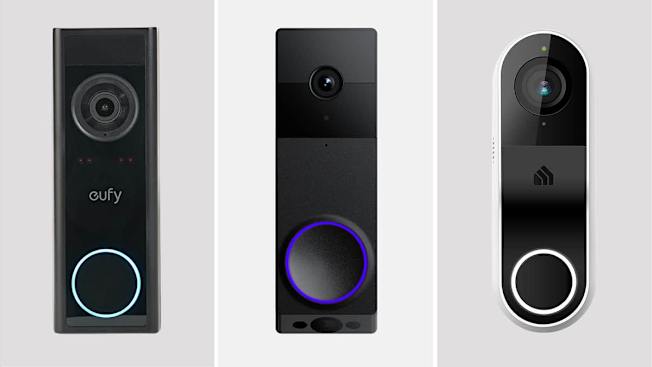
Smart doorbells are everywhere. Most people buy them to see who is at the door without getting up, but brands like Ring and Google Nest have turned these gadgets into permanent surveillance tools. They do much more than record video now.
The trade-off is becoming clearer: convenience versus potential data exposure. We’re willingly installing cameras that constantly monitor our front doors, collecting a wealth of information about our comings and goings. This data is valuable, both to us and, potentially, to others. It’s a shift we’ve accepted, but one we need to understand more fully.
The newest models aren’t simply recording video; they’re using artificial intelligence to identify people, packages, and even vehicles. This AI-powered analysis is incredibly useful, but it also means more data is being collected and processed. The question isn’t if your doorbell is collecting data, but what data it’s collecting and who has access to it.
The data these cameras actually grab
It’s easy to think of doorbell cameras as just video recorders, but the reality is far more complex. They collect a surprisingly large amount of data, starting with the obvious: video footage, of course, and audio recordings. But there’s also a timestamp for every event, detailed motion detection data, and potentially facial recognition information – even if it's anonymized.
The app tracks your location every time you check the feed. This data is tied directly to your name, email, and credit card info. A 2023 report from Vector Security shows that these logs are far more detailed than most users realize.
This data can be stored locally on an SD card, in the cloud on the manufacturer’s servers, or both. Local storage gives you more control, but it’s also vulnerable to physical theft. Cloud storage offers convenience and remote access, but it puts your data in the hands of a third party. The implications of each storage method are significant for privacy.
The SDK Problem: Third-Party Access
Many smart doorbell cameras don’t operate in isolation. They rely on Software Development Kits (SDKs) and integrations with other smart home platforms and services. This connectivity is convenient, allowing you to, for example, integrate your doorbell with your smart lighting or voice assistant. However, it also introduces potential vulnerabilities.
These SDKs allow third-party developers to access certain data and functionality within the doorbell camera’s system. While these developers may have legitimate uses for this access, it also creates opportunities for data leakage or malicious activity. It's difficult to audit exactly what these third-party integrations are doing with your data.
It is hard to know what these third-party tools are doing behind the scenes. Police can also ask these companies for your footage. Ring has handed over video to law enforcement without a warrant before, which sets a dangerous precedent for how your private property is monitored.
- Check app permissions to see exactly what the software can grab from your phone.
- Only connect the camera to other smart home services if you actually use them.
- Turn on automatic updates so you don't miss security patches.
AI and predictive policing
Looking ahead to 2026, the increasing use of AI in doorbell cameras presents new and concerning privacy risks. As these devices become better at identifying people and objects, the potential for 'predictive policing' increases. Algorithms could be used to flag 'suspicious' activity based on patterns observed in doorbell camera footage.
Imagine a scenario where an algorithm identifies individuals who frequently walk past your house as potential threats, simply because they fit a certain profile. This raises serious ethical questions. What happens when an algorithm misidentifies someone? The biases built into these systems could lead to discriminatory outcomes. A false positive could lead to unwanted police attention.
The use of facial recognition, even anonymized, is particularly troubling. While companies claim to anonymize this data, there’s always a risk that it could be re-identified. The line between security and surveillance is becoming increasingly blurred, and we need to have a serious conversation about the limits of AI-powered surveillance.
Mozilla's Privacy Scores: A Useful Guide?
The Mozilla Foundation's Privacy & Security Guide for video doorbells offers a valuable resource for consumers. They assign privacy scores to different doorbell cameras based on a range of factors, including data collection practices, security features, and transparency. This scoring system aims to help consumers make informed decisions.
Mozilla’s approach is commendable for its focus on user privacy. They evaluate products based on criteria like whether they require an account, collect personal data, and offer end-to-end encryption. Their website, mozillafoundation.org, provides detailed reviews and explanations of their methodology.
However, the guide isn’t perfect. It’s a snapshot in time, and privacy practices can change quickly. It also focuses primarily on the most popular brands, leaving out many smaller manufacturers. Despite these limitations, it's a good starting point for anyone concerned about the privacy implications of smart doorbells.
Smart Doorbell Privacy & Security Comparison - 2026
| Brand | Mozilla Privacy Score | Data Collection | Security Features | Ease of Use |
|---|---|---|---|---|
| Ring | Poor | High | Fair | Easy |
| Blink | Fair | Medium | Fair | Easy |
| Google Nest | Poor | High | Good | Moderate |
| Arlo | Fair | Medium | Good | Moderate |
Illustrative comparison based on the article research brief. Verify current pricing, limits, and product details in the official docs before relying on it.
How to lock down your data
There are several practical steps you can take to protect your data. Start with the basics: use a strong, unique password for your doorbell camera account and enable two-factor authentication whenever possible. Regularly update the device’s firmware to patch security vulnerabilities. Review the privacy settings and disable any features you don’t need, such as facial recognition.
Reading the privacy policy is crucial, although often tedious. Understand what data the company collects, how it’s used, and with whom it’s shared. Consider using a VPN to encrypt your internet traffic and mask your IP address. Be mindful of where you place your doorbell camera – avoid pointing it at your neighbor’s property.
These steps can mitigate risk, but they won’t eliminate it entirely. No security system is foolproof. It’s important to be realistic about the limitations of these measures and to remain vigilant about your privacy. Don't assume that simply owning a smart doorbell guarantees your security.
Beyond the Device: Network Security Matters
Your smart doorbell is only as secure as your home network. A weak Wi-Fi password or an outdated router can create vulnerabilities that hackers can exploit. Use a strong, unique password for your Wi-Fi network and enable WPA3 encryption if your router supports it. Regularly update your router’s firmware.
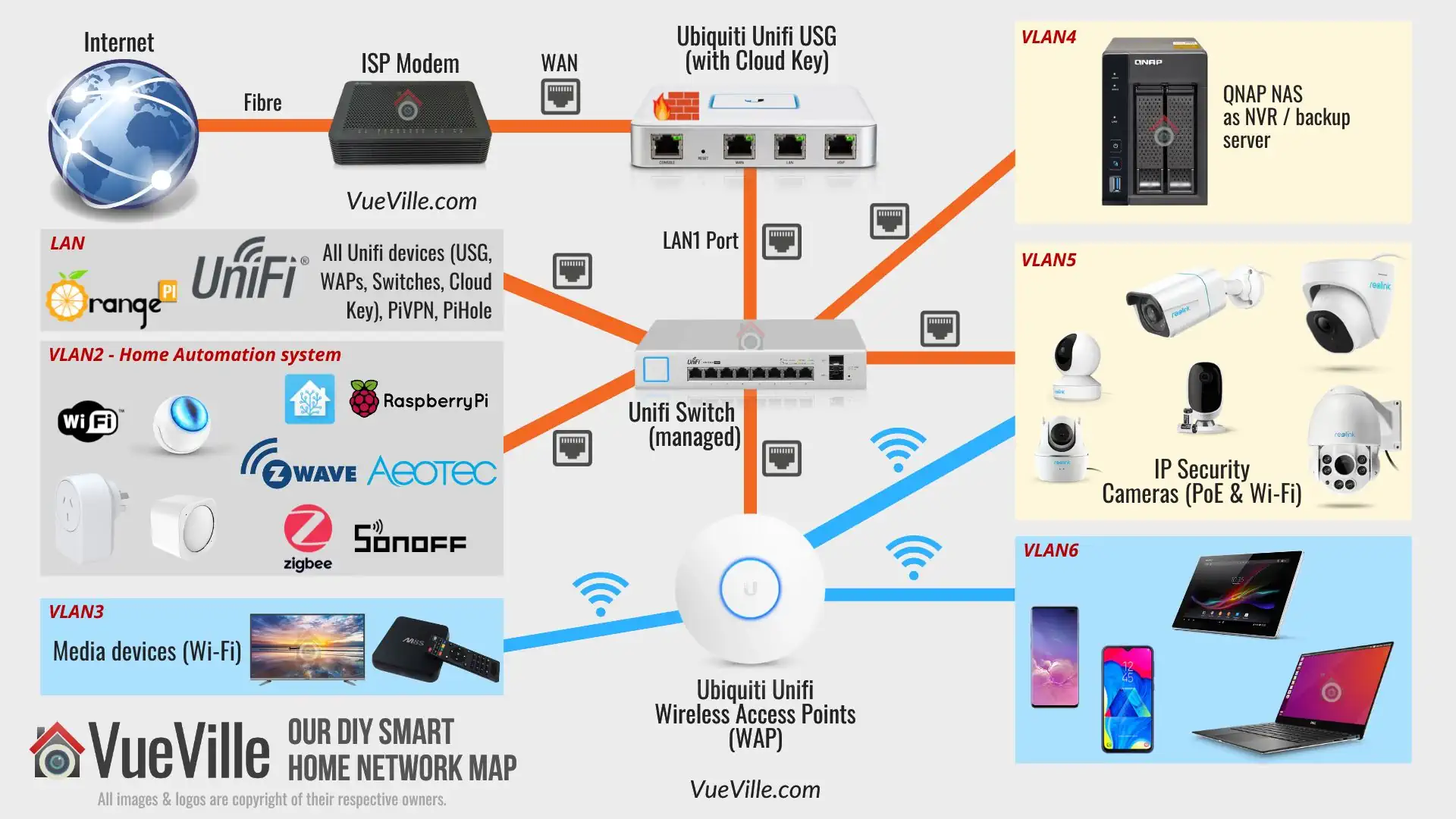
Consider segmenting your IoT devices – including your doorbell camera – onto a separate network. This prevents a compromised device from gaining access to your other devices and sensitive data. Network segmentation can be achieved through your router’s settings, creating a "guest network" dedicated to smart home devices.
This is often an overlooked step, but it’s a crucial layer of security. Even the most secure doorbell camera can be compromised if your network is vulnerable. Think of your network as the foundation of your home security system – a weak foundation undermines everything else.

No comments yet. Be the first to share your thoughts!