
Beyond Wi-Fi: The 5G camera shift
For years, wireless security cameras have relied on Wi-Fi. It’s been… adequate. But anyone who’s dealt with dropped connections, buffering video, or interference from neighbors knows its limitations. Bandwidth gets choked when multiple devices are active, especially with higher-resolution cameras becoming commonplace. Range can be surprisingly limited, requiring Wi-Fi extenders to cover larger properties.
5G offers a different path. It’s not just faster Wi-Fi; it’s a fundamentally different technology designed for greater capacity, lower latency, and increased reliability. These improvements translate directly into better home surveillance, moving past the limitations of router and ISP performance.
The benefits aren’t about flashy features, though those will come. It’s about a more consistent experience. A camera that reliably sends you a clear alert when it detects motion, not one that’s stuck buffering while a package is being stolen. It’s about real-time monitoring that doesn’t feel like watching a slideshow. That’s the core promise of 5G security cameras.
Latency and reliability improvements
Latency, the delay between an event happening and you being notified, is where 5G truly shines. Traditional Wi-Fi cameras often have a noticeable lag, sometimes several seconds, which can be critical. With 5G, latency reduces to fractions of a second, meaning faster alerts and quicker responses to potential threats.
Consider person detection. If a camera needs to analyze video to determine if it’s a person, pet, or passing car, that analysis takes time. Lower latency means faster analysis, and faster alerts. It also allows for more responsive two-way talk – you can actually have a conversation with someone at your door without a frustrating delay.
Reliability is equally important. Wi-Fi networks are susceptible to interference from other devices and neighboring networks. 5G networks are designed to be more robust and less prone to congestion, especially with the rollout of dedicated 5G infrastructure. This means fewer dropped connections and a more consistent stream of video, even during peak usage times.
New possibilities with 5G cameras
5G isn’t just about making existing camera features work better; it unlocks entirely new possibilities. The increased bandwidth allows for higher resolution video streams – think 4K or even 8K – without the buffering issues that plague Wi-Fi cameras. This means you can capture more detail, making it easier to identify faces or read license plates.
Edge computing is another significant potential benefit. With more bandwidth, cameras can perform more processing on the device itself rather than sending all data to the cloud. This reduces latency, improves privacy, and allows for more sophisticated analytics, such as cameras that automatically detect and classify different types of vehicles or identify specific individuals.
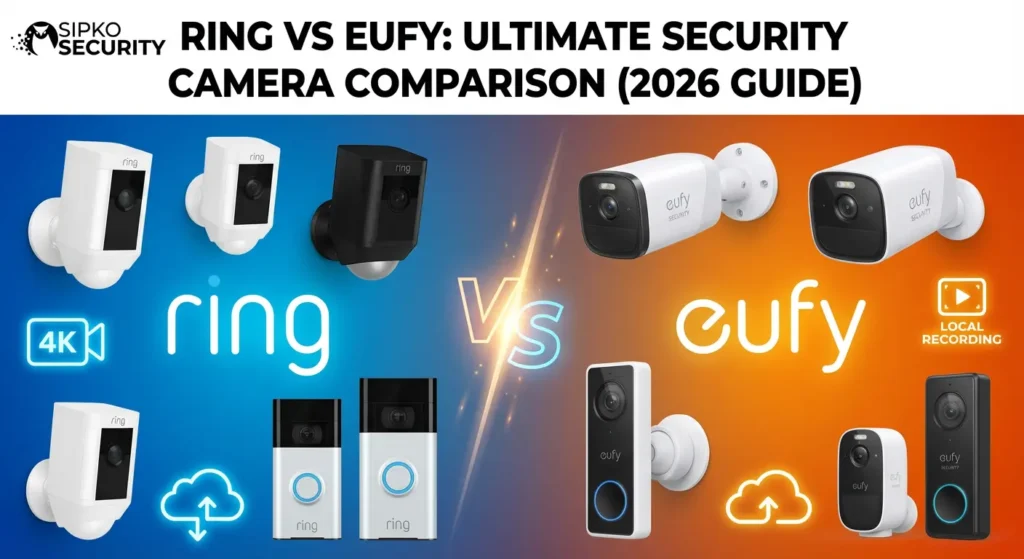
Eufy, for example, is emphasizing this with their 5G cameras, highlighting the ability to process video locally for faster alerts and reduced cloud storage costs. They’re positioning these cameras as a solution for users who are concerned about privacy or want to avoid ongoing subscription fees. This is a trend to watch.
Here are some features becoming more viable with 5G:
- Real-time object recognition: Identifying specific items or people more accurately.
- Advanced behavior analysis: Detecting unusual patterns or activities.
- Higher resolution video: 4K and 8K streaming without buffering.
- Reduced cloud dependency: More processing done on the camera itself.
5G Camera Capabilities
- Faster Response - Near-instant alerts triggered by motion or sound, coupled with immediate two-way audio communication, minimizing lag for real-time intervention.
- Enhanced Intelligence - More sophisticated AI-powered object detection, accurately distinguishing between people, vehicles, and animals, reducing false alarms. Companies like Google with their Vertex AI Vision API are enabling this.
- Improved Video Quality - Support for higher resolution video streams (4K and beyond) without buffering or degradation, even with multiple cameras operating simultaneously. Arlo cameras currently offer 4K resolution.
- Greater Flexibility - Wireless installation in areas previously limited by Wi-Fi range or cabling constraints, expanding coverage to outbuildings, large properties, or remote locations. Verizon offers 5G connectivity for some cameras.
- Remote Live Streaming - Seamless, high-quality live video streaming to multiple devices concurrently, enabling comprehensive monitoring from anywhere with cellular connectivity. Ring offers live view features.
- Reduced Latency for PTZ Control - Significantly decreased delay when remotely controlling Pan-Tilt-Zoom (PTZ) cameras, allowing for precise adjustments and tracking. Reolink offers PTZ camera options.
- Enhanced Cloud Recording Reliability - More stable and reliable cloud storage of video footage, less susceptible to interruptions caused by network congestion. Companies like SimpliSafe offer professional monitoring and cloud storage.
Installation and costs
Setting up 5G security cameras isn’t as simple as plugging in a Wi-Fi camera. You’ll need a 5G connection, typically a 5G home internet plan or a dedicated 5G hotspot. Installation might require technical expertise, especially if you’re setting up external antennas to improve signal strength. Professional installation is an option but adds to the upfront cost.
The initial hardware cost of 5G cameras is currently higher than comparable Wi-Fi models. Expect to pay a premium for the 5G modem and the more powerful processing capabilities. The 5g Camera Model I 100, for example, while offering advanced features, comes with a higher price tag than most standard Wi-Fi cameras.
The ongoing costs are a bit more uncertain. 5G data plans can vary significantly depending on your provider and usage. You’ll need to factor in the cost of the data plan in addition to the initial hardware expense. It’s difficult to give precise figures at this point, as pricing models are still evolving. However, it’s reasonable to expect a monthly fee similar to or slightly higher than a standard home internet plan.
For now, the cost is a barrier to entry for many. But as 5G infrastructure expands and competition increases, prices are likely to come down.
Privacy and security concerns
Any connected device introduces potential privacy and security risks, and 5G security cameras are no exception. One concern is the potential for interception of data transmitted over the 5G network. While 5G networks are generally considered to be more secure than Wi-Fi, they are not immune to attacks.
Manufacturers address these concerns through encryption and other security measures. Choose cameras from reputable brands that prioritize security and regularly release firmware updates. Secure your own network with a strong password and two-factor authentication.
Another concern is data privacy. 5G cameras may collect and store data about your property and activities. Understand the manufacturer's privacy policy and how your data is used. Consider cameras that offer local storage options to minimize data sent to the cloud; it's a balancing act between convenience and control.
- Enable two-factor authentication on your camera account.
- Regularly update the camera's firmware to patch security vulnerabilities.
- Use a strong, unique password for your camera.
- Review the manufacturer's privacy policy carefully.
Current models and manufacturers
The 5G security camera market is still relatively new, but several manufacturers are starting to offer products. Eufy is a prominent player, with their 5G cameras gaining attention for their edge computing capabilities and focus on privacy. Amazon also offers 5G compatible options available through their online store, though many are rebrands of existing models.
Other brands are beginning to explore 5G integration, but availability is still limited. The 5g Camera Model I 100 is an example of a specialized model, though availability and support may vary. Research different models and compare features and specifications to find the best fit for your needs.
Currently, you'll find that many '5G security cameras' still rely on a Wi-Fi connection for local network communication, using 5G primarily for remote access and cloud storage. Fully independent 5G cameras are still emerging. Key features to consider include resolution, field of view, night vision capabilities, and cloud storage options.
2026 outlook
By 2026, 5G security cameras should become much more mainstream. As 5G infrastructure expands and prices decrease, barriers to entry will lower. Expect a wider range of models from more manufacturers, offering greater variety in features and price points.
Expect significant advancements in edge computing capabilities. Cameras will perform more sophisticated analytics locally, reducing latency and improving privacy. Cameras might automatically detect and respond to emergencies, such as contacting emergency services in the event of a fall.
Integration with other smart home devices will become more seamless. 5G cameras will likely work more closely with smart locks, lighting systems, and other connected devices to create a more comprehensive security ecosystem. The biggest challenge will be standardization, ensuring devices from different manufacturers work together seamlessly. 5G is poised to revolutionize home security.
- Increased adoption: 5G cameras become more common as infrastructure expands.
- Advanced analytics: Edge computing enables more sophisticated features.
- Seamless integration: Cameras work more closely with other smart home devices.
- Improved privacy: Local processing reduces reliance on cloud storage.
No comments yet. Be the first to share your thoughts!