
AI Security: Beyond the Hype
A common frustration with traditional home security systems is a 2 AM notification for a raccoon. This is why many people disable motion alerts. Simple motion detection systems are notorious for false alarms, unable to distinguish between a person, pet, or falling leaf. This constant noise makes them ineffective as users tune it out.
AI in home security aims to filter out noise. Instead of detecting movement, these systems understand what's moving, recognizing people, pets, vehicles, and packages. The goal is to alert users only when something important happens, making security systems useful rather than a digital annoyance.
While not a new concept, the technology has improved dramatically. Early systems used basic infrared sensors and rudimentary motion detection. Advances in computer vision and machine learning allow AI-powered systems to analyze video footage in real-time, identifying objects with increasing accuracy. This shifts from detecting motion to interpreting scenes, a significant leap forward.
Skepticism around 'AI' as a buzzword is understandable. However, the functional difference in these systems is real. They are designed to reduce the everyday friction that makes traditional security systems fall short, offering a genuine improvement in usability and effectiveness.
Key AI Features in Home Security
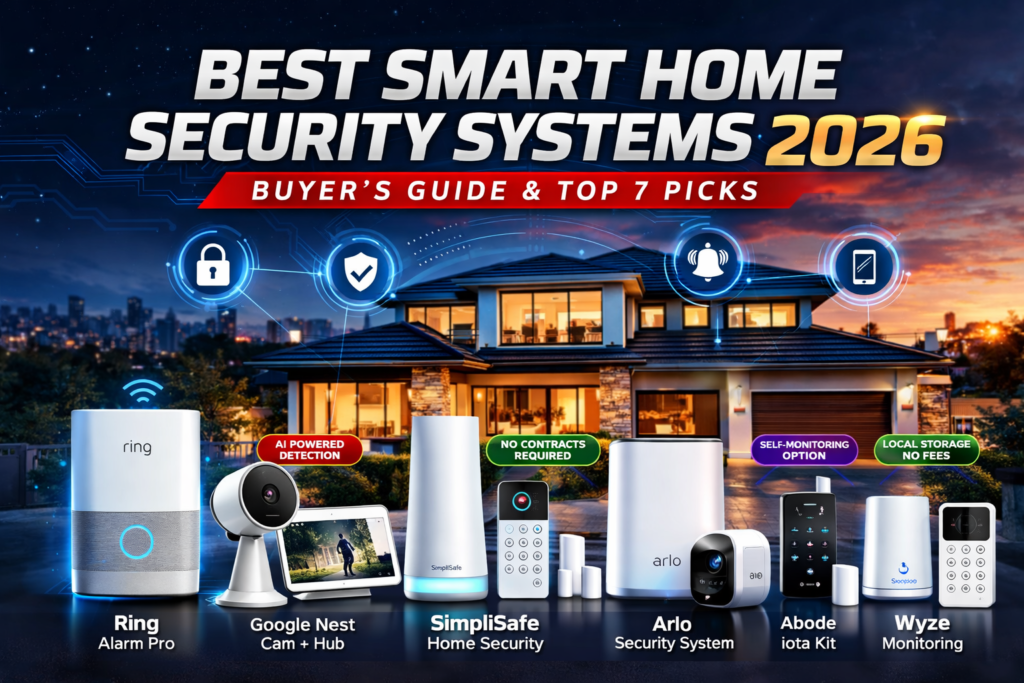
AI-powered security systems combine several features. Person, pet, and vehicle detection is common, trained on vast datasets of images and videos to recognize these objects accurately. The system identifies what is moving, allowing programming to alert only when a person is detected, for example.
Facial recognition is another key feature, with significant privacy considerations discussed later. When enabled, the system learns to recognize family members and frequent visitors, differentiating between known and unknown individuals. Alerts can be set for unfamiliar faces. Understanding data storage and security implications is essential before using this feature.
Package detection is a rapidly growing feature. With the rise of online shopping, package theft is a major concern. AI systems identify packages on your doorstep and send alerts for quick retrieval or preventative measures. Some systems integrate with smart locks for remote door locking after delivery.
Finally, anomaly detection is a sophisticated AI capability. The system learns your home's 'normal' activity patterns (lights on/off, doors opened/closed) and flags deviations, potentially indicating a security breach. This acts like a virtual security guard that learns and adapts.
Top AI Home Security Systems of 2026
The market for AI-powered home security systems is growing rapidly with many options. Here are some top contenders, based on research. The 'best' system depends on individual needs and budget.
Brinks Home AI Protect is a strong all-around choice, offering professional monitoring, a wide range of sensors, and robust AI features like person detection and package alerts. The hardware is well-regarded and integrates with other smart home devices. Subscription costs start around $39 per month, with professional or DIY installation. Some users report occasional mobile app glitches.
SimpliSafe AI Enhanced offers an affordable option, focusing on DIY installation and flexible monitoring plans. AI features include person detection and smart alerts, but not facial recognition. The hardware is reliable and easy to set up. Monthly monitoring plans start at $18, requiring upfront hardware purchase. It lacks the integration level of some competitors.
Ring Alarm Pro AI benefits from Amazon’s ecosystem, offering seamless integration with Alexa and other Ring devices. It features person detection, package detection, and facial recognition (with a Ring Protect Pro subscription). The hardware is affordable, and installation is straightforward. Privacy concerns have been raised regarding Ring, and subscription costs can accumulate.
Abode AI Smart Security stands out for its open platform and compatibility with many third-party devices. It offers professional monitoring, DIY installation, and AI features like person detection and anomaly detection. The hardware is sleek and modern but can be more expensive than some options. Monthly monitoring plans start at $20.
Google Nest Secure AI (integrated with Google Home) offers a streamlined experience for Google Home users. It features person detection, package detection, and familiar face recognition. The hardware is well-designed and integrates seamlessly with other Google devices. However, the system relies heavily on a Google subscription, and privacy concerns are a factor for some users.
Vivint AI Professional is a premium option offering professional installation, 24/7 monitoring, and a comprehensive suite of AI features, including person detection, facial recognition, and anomaly detection. The hardware is high-quality, but the system is expensive and requires a long-term contract.
Featured Products
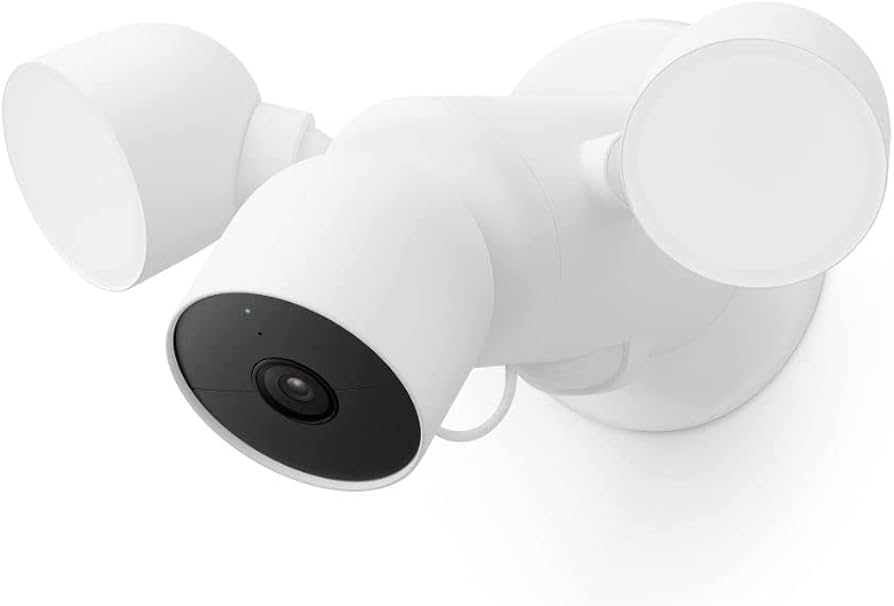
1080p HDR video · Two-way audio · Activity zones
The Google Nest Cam with Floodlight offers intelligent person detection and a powerful built-in floodlight for enhanced outdoor security.

4K HDR video · 180° field of view · Color night vision
The Arlo Ultra 2 provides exceptional 4K video quality, a wide field of view, and AI-powered event captions for detailed outdoor monitoring.

2K video resolution · Color Night Vision · Two-Way Talk with Audio+
The Ring Floodlight Cam Wired Pro delivers crisp 2K video, vibrant color night vision, and powerful floodlights for comprehensive home security.
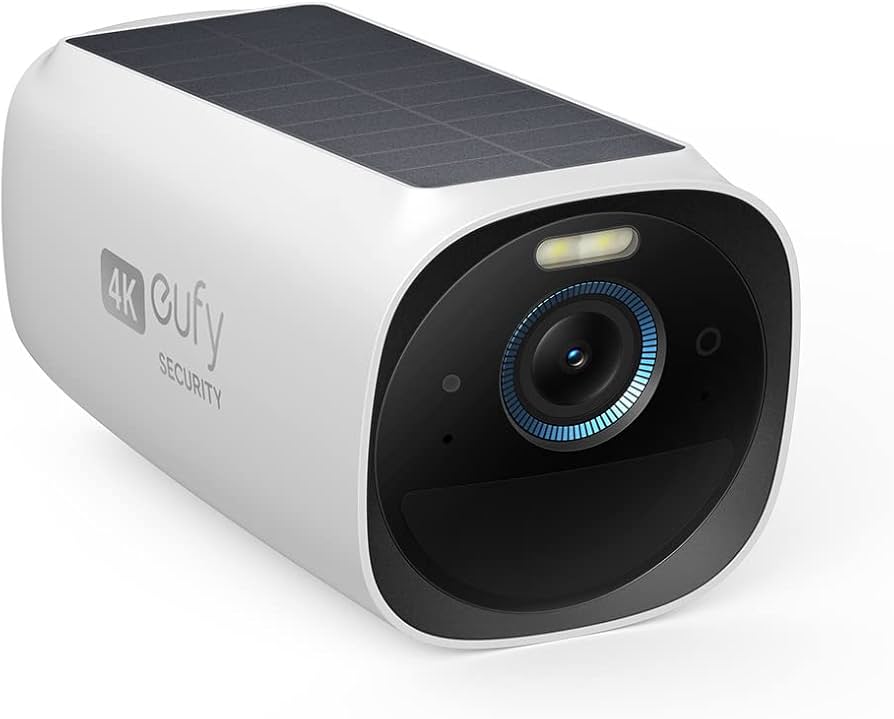
4K UHD video · 100-day battery life · Local storage (no monthly fees)
The EufyCam 3 offers impressive 4K resolution, long battery life, and AI human detection with the convenience of local storage.
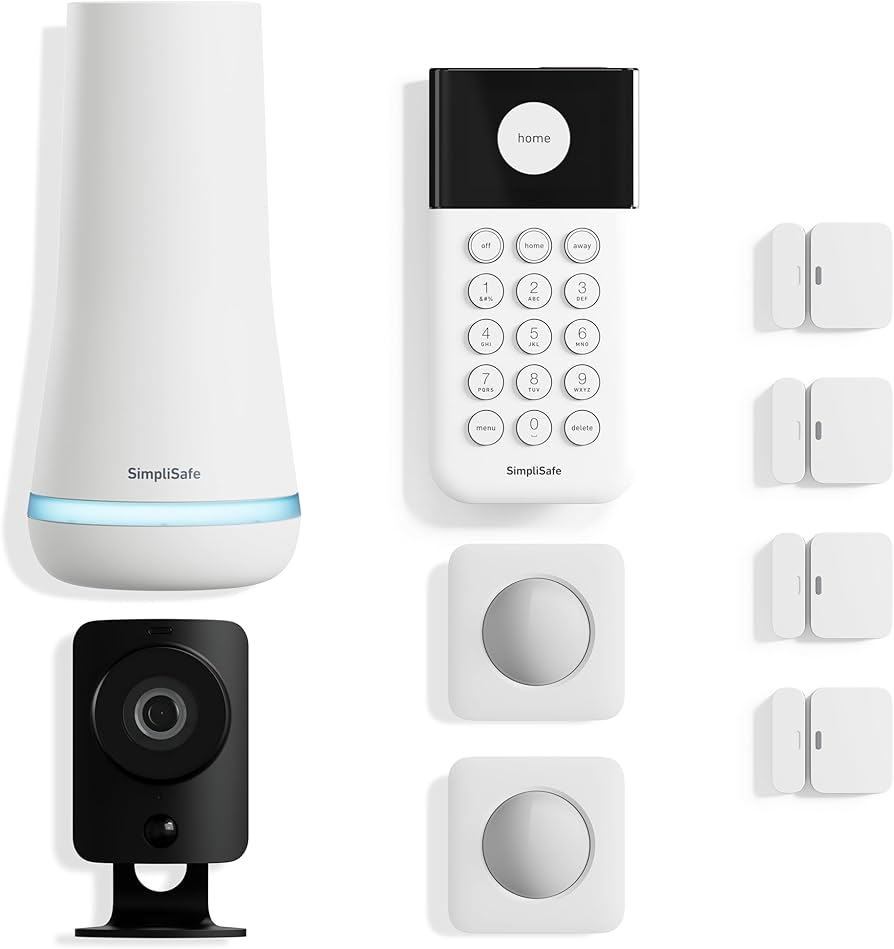
Professional monitoring option · Entry sensors · Motion detectors
SimpliSafe provides a customizable and user-friendly smart home security system with optional AI features for enhanced threat detection.
As an Amazon Associate I earn from qualifying purchases. Prices may vary.
DIY vs. Professional Monitoring: AI's Impact
AI blurs the lines between DIY and professionally monitored home security systems. Traditionally, DIY systems relied on self-monitoring and limited features. With AI-powered object recognition and anomaly detection, DIY systems now provide a high level of security without the ongoing cost of professional monitoring.
Professional monitoring services also leverage AI to improve their offerings. AI filters false alarms, prioritizes alerts, and reduces response times, leading to fewer unnecessary calls to emergency services and faster assistance when truly needed. AI enhances their efficiency and effectiveness.
The cost difference is significant. DIY systems require an upfront hardware investment with minimal ongoing costs. Professionally monitored systems involve monthly subscription fees ($20-$60+). Professionally monitored systems offer 24/7 support and emergency service dispatch, while DIY systems rely on user action.
The best choice depends on individual needs and risk tolerance. A DIY system with AI features suits those comfortable with technology and self-monitoring. A professionally monitored system with AI enhancements offers peace of mind and rapid response.
Privacy Concerns and AI Security
AI-powered security systems, especially those with facial recognition, raise legitimate privacy concerns. These systems collect and store data about your home, your family, and your visitors. It’s essential to understand how that data is being used and protected.
Data encryption is a crucial security measure. Ensure that the system encrypts video footage and other sensitive data both in transit and at rest. Cloud security is also paramount. Choose a provider with robust security measures to protect your data from unauthorized access. Look for providers that comply with industry standards like GDPR or CCPA.
User control over data is another important factor. You should have the ability to access, review, and delete your data. You should also be able to opt-out of features like facial recognition if you’re uncomfortable with them. Understand the provider’s data retention policies and how long your data will be stored.
It’s also important to be aware of potential vulnerabilities. Hackers could potentially gain access to your security system and use it to spy on you or even control your home. Choose a provider with a strong track record of security and regularly update your system’s firmware.
- What data is collected? Understand what information the system gathers about your home and your family.
- How is the data used? Learn how the provider uses your data, including for AI training and analytics.
- Who has access to the data? Find out who has access to your data, including third-party providers.
- What security measures are in place? Ensure the provider has robust security measures to protect your data.
Future Trends: What's Next for AI Security?
The field of AI home security is evolving rapidly. One key trend is edge computing, which involves processing data locally on the security camera or hub, rather than sending it to the cloud. This improves privacy, reduces latency, and makes the system more resilient to internet outages.
We can also expect to see continued improvements in object recognition accuracy. AI algorithms are becoming more sophisticated, allowing them to identify objects with even greater precision. This will lead to fewer false alarms and more accurate alerts. Better differentiation between delivery personnel, friends, and potential threats is a primary focus.
Integration with other smart home ecosystems will also become more seamless. AI security systems will increasingly work together with smart locks, smart lights, and other devices to create a more comprehensive and automated security solution. Imagine lights automatically turning on when a person is detected at the front door.
More speculatively, predictive security is an emerging area of research. This involves using AI to analyze patterns and predict potential break-ins before they happen. It’s still in its early stages, but it has the potential to revolutionize home security. This relies on analyzing historical data and identifying vulnerabilities in your home's security.
Standout Systems: A Closer Look
After evaluating several systems, Brinks Home AI Protect and Abode AI Smart Security stood out for their combination of features, reliability, and value. Let's take a closer look at each of these.
Brinks Home AI Protect really shines in its comprehensive approach. The AI isn’t just tacked on; it's woven into the entire system. The person detection is remarkably accurate, even in challenging lighting conditions. The package detection is a genuine benefit, especially for those who receive frequent deliveries. The professional monitoring adds a layer of security that many DIY systems can't match. However, the subscription cost is higher than some alternatives.
Abode AI Smart Security offers a different kind of appeal. Its open platform and compatibility with a wide range of devices make it a great choice for those who want a customized security solution. The anomaly detection is particularly impressive, learning your home's routines and flagging any unusual activity. The DIY installation is straightforward, and the system is relatively affordable. It doesn’t have the same level of brand recognition as Brinks, but it’s a solid performer.
Here's a quick comparison:
The table below highlights key differences between the two systems.
AI-Powered Home Security System Comparison - 2026
| System Name | AI Feature Set (Detection Capabilities) | Privacy Controls | Integration | Price (Monthly Subscription) |
|---|---|---|---|---|
| SimpliSafe | Person, Pet, Vehicle detection. Advanced object recognition improving accuracy. | Data encryption in transit and at rest. Limited local storage options via base station recording. | Google Assistant, Amazon Alexa. IFTTT support. | Offers a range of plans; pricing varies based on monitoring and features. |
| Ring Alarm Pro | Person, Pet, Package, and Vehicle detection. Facial recognition available with subscription. | End-to-end video encryption. Local storage via optional Ring Protect Plan plus a compatible Echo device. | Amazon Alexa, limited support for other platforms. | Subscription required for professional monitoring and advanced features. |
| Abode | Person, Pet, Vehicle, and Package detection. Intelligent alerts reduce false alarms. | AES-128 bit encryption. Local storage options available with compatible base station and SSD. | Apple HomeKit, Google Assistant, Amazon Alexa, IFTTT. | Multiple plans available; cost dependent on features and monitoring. |
| Cove | Person and Vehicle detection. Focus on professional monitoring and quick response. | Data encryption. Limited local storage options. | Google Assistant, Amazon Alexa | Requires professional monitoring; pricing based on contract length and equipment. |
Illustrative comparison based on the article research brief. Verify current pricing, limits, and product details in the official docs before relying on it.

No comments yet. Be the first to share your thoughts!