

Why AI matters in home security
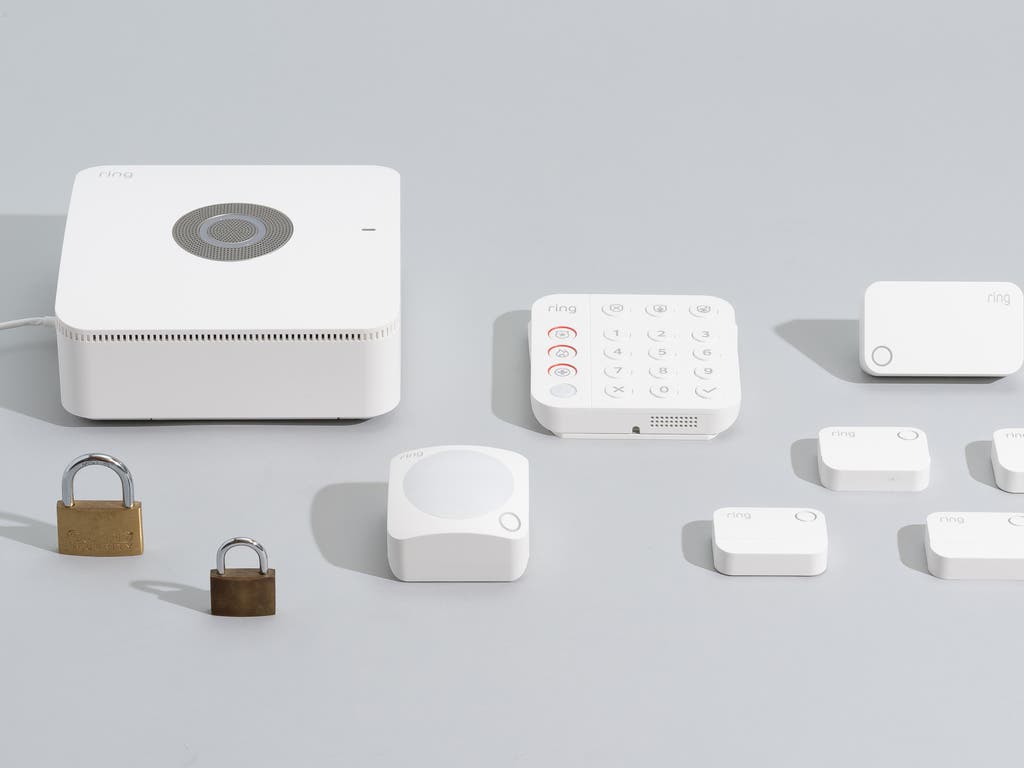
The home security landscape has shifted from simple motion alerts to intelligent context. In 2026, the best systems don't just detect movement; they understand what is moving. This distinction is the primary reason why modern setups from providers like ADT, SimpliSafe, and Ring Alarm perform so differently than their predecessors.
Older systems relied on basic infrared motion sensors, which frequently triggered false alarms from shifting shadows, heating vents, or household pets. Today’s AI-driven features, such as person and vehicle detection, use machine learning to analyze shapes and movement patterns. This allows the system to distinguish between a stray cat and an intruder, or between a parked car and a vehicle circling the property.
Privacy is also a core component of this evolution. Leading systems now process video footage locally on the hub or camera rather than sending everything to the cloud. This approach keeps your personal data on your premises while still leveraging advanced AI for real-time threat identification. The result is a security system that feels less like a surveillance camera and more like a vigilant, intelligent guardian.
5 Best Home Security Systems of 2026: AI-Powered Protection Reviewed
We evaluated the Ring Alarm Pro, SimpliSafe, and ADT Pulse to determine which systems deliver reliable person detection and real-time threat alerts. This review focuses on concrete AI capabilities, such as facial recognition accuracy and false alarm reduction, rather than abstract safety promises.
1. Vivint Smart Home AI integration
Vivint leverages advanced machine learning to distinguish between residents, pets, and potential intruders with remarkable precision. Its AI-driven cameras reduce false alarms by analyzing movement patterns in real time, ensuring alerts are actionable rather than noisy. The system integrates seamlessly with smart locks and thermostats, creating a cohesive security ecosystem that adapts to your daily routines automatically.

2. SimpliSafe DIY wireless setup
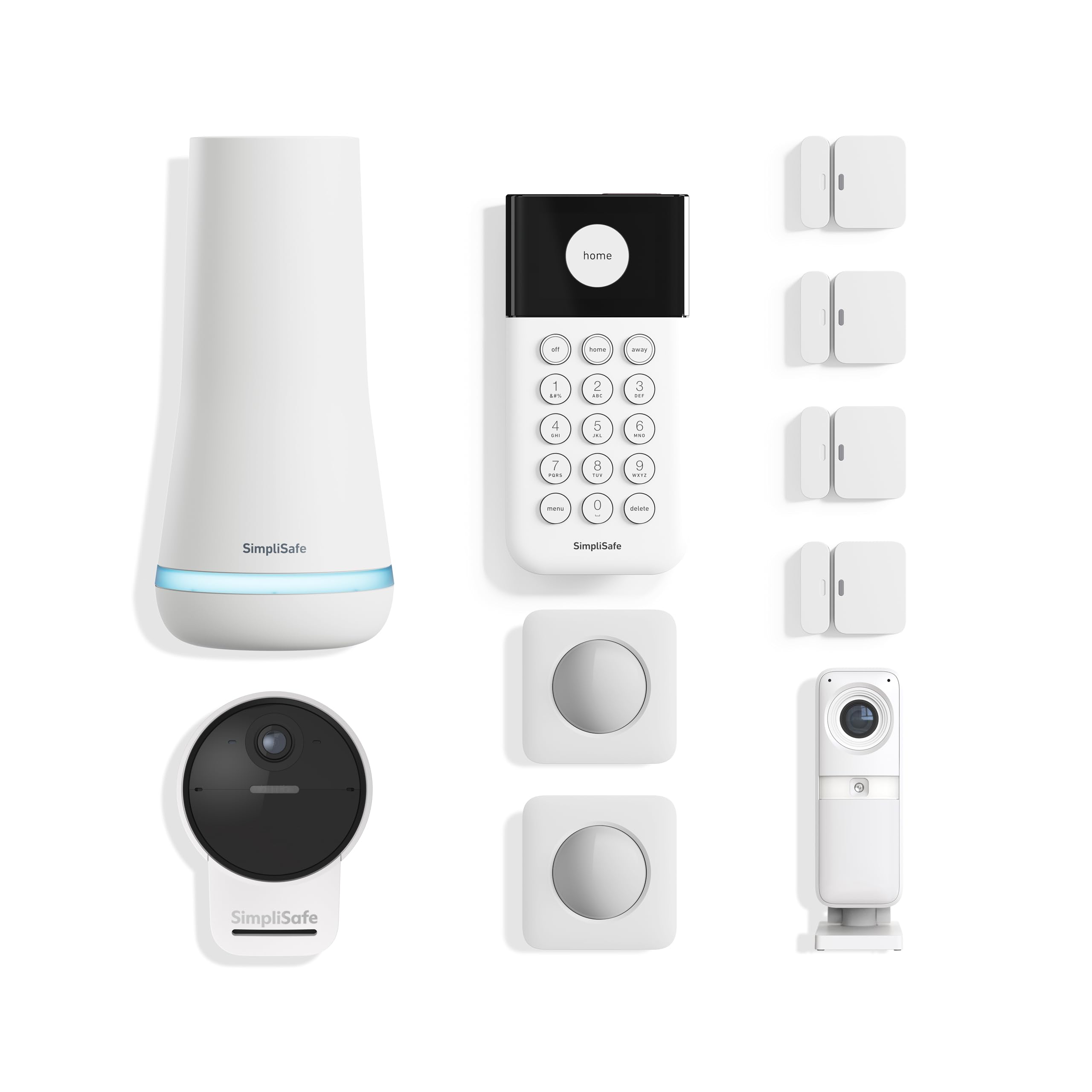
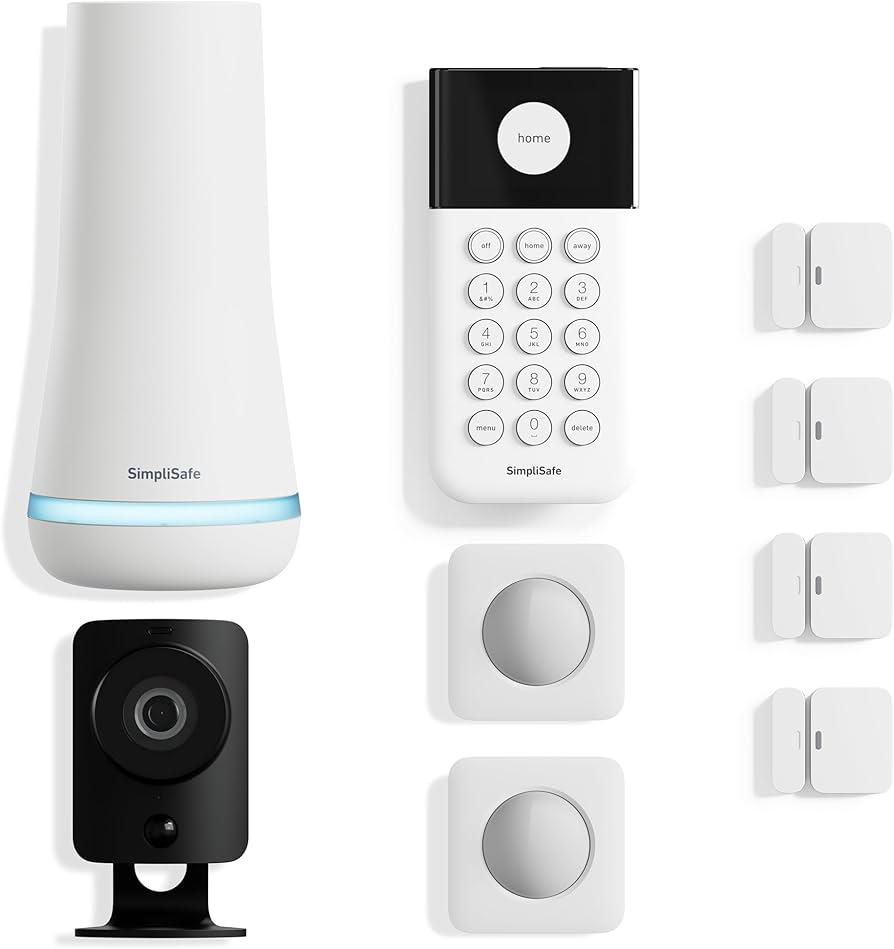
SimpliSafe offers a truly wireless architecture that eliminates the need for drilling or complex wiring, making it ideal for renters. Its base station connects via cellular backup, ensuring protection even if internet or phone lines fail. The system’s straightforward app interface allows users to arm, disarm, and monitor their home with minimal technical knowledge, prioritizing ease of use over complex customization.
3. Abode smart home compatibility
Abode stands out for its open API and extensive compatibility with third-party smart home devices, including Philips Hue and August locks. It supports both professional monitoring and self-monitoring modes, giving users flexibility in how they manage alerts. The system’s hub acts as a central command center, bridging disparate protocols like Zigbee and Z-Wave to create a unified security experience.

4. Ring Alarm budget value
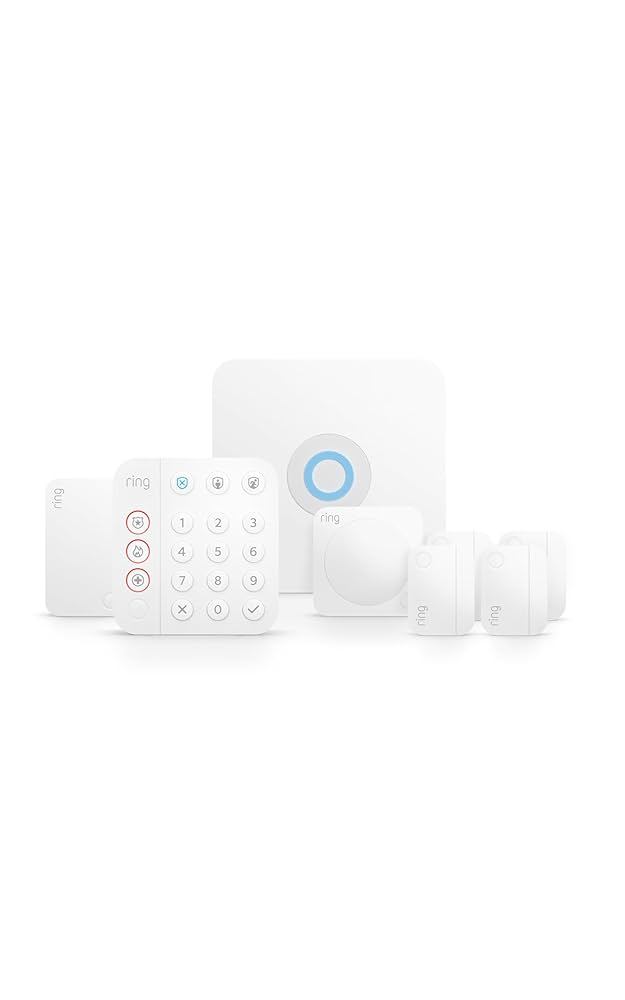
Ring Alarm provides an affordable entry point into professional-grade home security, leveraging Amazon’s ecosystem for seamless integration. Its modular design allows users to start with basic sensors and expand as needed, avoiding upfront costs for unused features. The system benefits from Ring’s extensive camera network, enabling video verification of alarms directly through the Ring app for faster response times.
5. ADT professional monitoring service
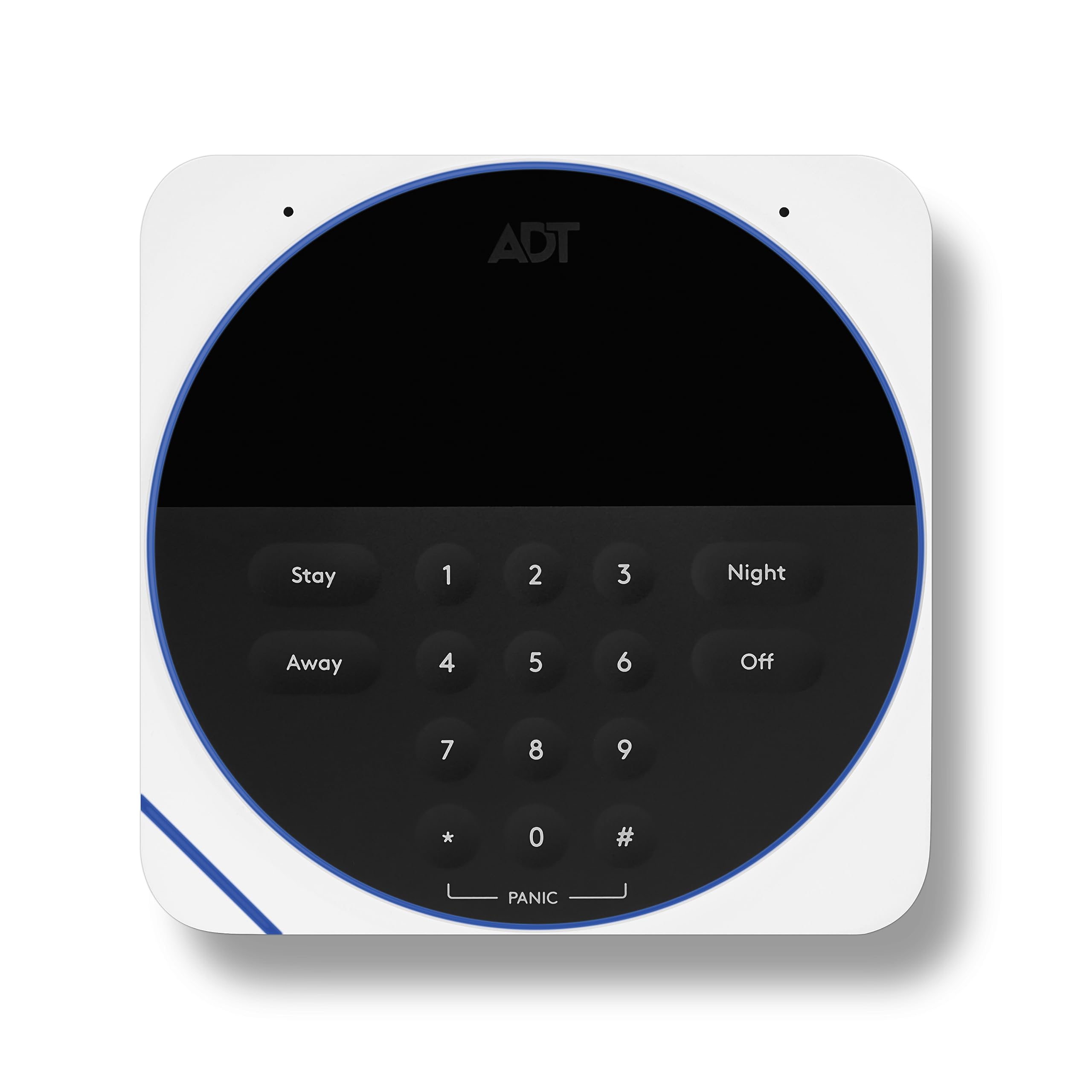
ADT remains the gold standard for professional monitoring, offering 24/7 oversight from UL-certified centers with rapid emergency response capabilities. Its proprietary software integrates AI-enhanced video analytics to prioritize high-risk alerts, reducing unnecessary dispatches. While it requires a contract, the reliability of its dispatch team and extensive dealer network make it a trusted choice for comprehensive home protection.

How to Choose the Right System
Picking a home security system comes down to three practical choices: who installs it, how much it costs, and whether it talks to your existing smart home. The right fit depends on your tolerance for DIY setup and your willingness to sign a long-term contract.
Installation and Monitoring
DIY systems like Ring Alarm or SimpliSafe let you mount sensors and connect hubs in under an hour. Professional installations from ADT or Vivint include a technician visit, which is useful for complex wiring or hardwired cameras. For monitoring, self-monitored apps offer free alerts, while professional monitoring adds a monthly fee but dispatches emergency services.
Budget and Contracts
Monthly costs range from $0 for self-monitoring to $45+ for professional services. Avoid long-term contracts if you value flexibility; SimpliSafe and Ring operate on month-to-month plans. Professional monitoring from ADT or Vivint often requires a 3-year commitment, which can lock you into higher total costs even if you move or cancel early.
Smart Home Compatibility
AI features like person detection and package alerts work best when integrated with a broader ecosystem. Check if the system supports Matter, HomeKit, or Alexa. Vivint and ADT offer deep integration with lighting and locks, while Ring and SimpliSafe focus on core security and basic automation. Ensure your chosen hub supports the specific AI features you need, such as facial recognition or anomaly detection.
As an Amazon Associate, we may earn from qualifying purchases.
Home security AI: privacy, costs, and installation
Is AI video data stored in the cloud? Most AI-powered systems like Arlo and Ring process video locally or in encrypted cloud storage. Person detection runs on-device or in secure servers, meaning raw footage isn't publicly accessible. Always check the provider's privacy policy to understand retention periods and data sharing with law enforcement.
How much does professional monitoring cost? Professional monitoring for AI systems typically ranges from $20 to $40 per month. This fee covers 24/7 emergency response for alarms triggered by smart sensors. DIY-only plans are free but require you to respond to alerts yourself.
How long does DIY installation take? Installing a wireless AI security system usually takes 1-2 hours for a standard home. Devices like Arlo cameras stick to walls or sit on shelves without wiring. Smart locks and sensors require minimal setup, often guided by a mobile app.
Can AI systems detect pets to avoid false alarms? Yes. Most modern AI cameras, including the Arlo Pro series, offer pet-friendly motion detection. This feature filters out movement from animals under 60 pounds, reducing false alerts from cats or dogs while still capturing human intruders.
Do AI systems work without Wi-Fi? No. AI features like facial recognition and person detection require an active internet connection. However, some systems store local footage on SD cards if Wi-Fi drops temporarily, though real-time alerts will pause until connectivity is restored.
No comments yet. Be the first to share your thoughts!