
Top home security systems at a glance
Choosing between an AI-driven platform and a traditional alarm system depends on how much automation you want versus simple, reliable monitoring. The following systems represent the current market leaders, split between those that rely heavily on smart home integration and those that prioritize straightforward, professional monitoring.
The ADT system remains the standard for traditional professional monitoring, offering extensive hardware options and 24/7 central station support. It is less focused on DIY AI features and more on established reliability and comprehensive coverage for larger homes. In contrast, SimpliSafe targets renters and homeowners who prefer a self-monitored, DIY approach with optional professional monitoring that feels less intrusive.
Vivint and Ring Alarm Pro represent the AI and smart-home-heavy side of the comparison. Vivint integrates deeply with smart home ecosystems, using AI to distinguish between pets, people, and vehicles, which reduces false alarms. Ring Alarm Pro, built around the Eufy ecosystem, offers local storage and advanced threat detection without relying solely on cloud processing, appealing to those concerned about data privacy.
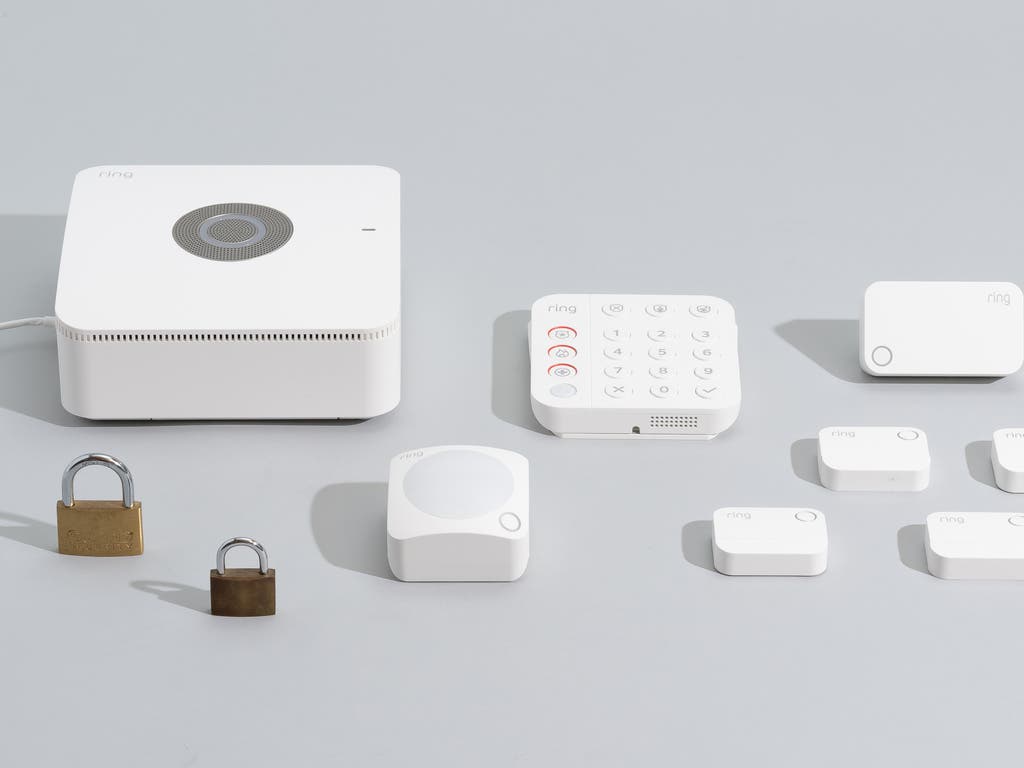
| System | AI vs. Traditional | Monitoring Type | Installation |
|---|---|---|---|
| ADT | Traditional | Professional (24/7) | Professional or DIY |
| SimpliSafe | Hybrid | Professional or Self | DIY |
| Vivint | AI-Driven | Professional + AI Insights | Professional |
| Ring Alarm Pro | AI-Driven | Professional or Self | DIY |
AI-driven systems vs. traditional alarms
The divide between modern AI-capable security systems and legacy alarm-only setups comes down to how they handle data. Traditional systems act as reactive tripwires. They rely on simple sensors—magnetic contacts on doors, motion detectors in hallways, and glass-break detectors—to trigger a siren or send an alert when a physical boundary is crossed. The logic is binary: if the circuit breaks, the alarm sounds. There is no context, no verification, and no ability to distinguish between a human, a pet, or a falling branch.
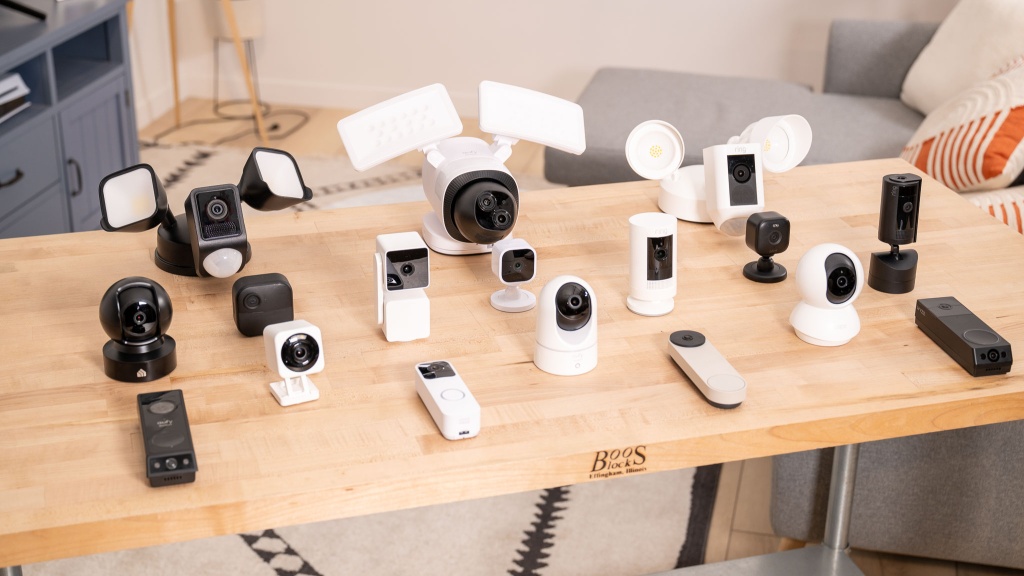
AI-driven systems, by contrast, function as proactive observers. These setups integrate video feeds and smart sensors that use machine learning to analyze what is happening in real time. Instead of just detecting motion, an AI camera can differentiate between a person walking by and a tree swaying in the wind. This reduces false alarms significantly. More importantly, it allows the system to take action before a break-in occurs, such as turning on lights, sounding a localized siren, or notifying the homeowner with a verified video clip.
This technological gap extends beyond just cameras. AI systems often include environmental sensors that monitor for smoke, carbon monoxide, and water leaks, integrating these alerts into a single dashboard. Legacy systems typically require separate, standalone detectors that only trigger local sirens. The modern approach creates a unified ecosystem where data from multiple sources informs the security response.
The cost difference between AI-enabled cameras and standard motion sensors is significant. While a basic motion sensor might cost $20, an AI-powered camera with cloud storage can run $200 or more upfront, plus monthly subscription fees for advanced features.
Understanding this distinction helps in choosing the right setup. If your primary concern is deterring entry and you have a monitoring service that verifies alarms, a traditional system may suffice. However, if you want visibility, verification, and the ability to monitor your home remotely with high confidence, AI-driven systems provide the necessary depth.
Professional monitoring options
Professional monitoring acts as the safety net for any home security system. When an alarm triggers, a central station verifies the threat and dispatches police, fire, or medical services. This layer of protection is where the gap between AI-driven and traditional systems often becomes most visible, particularly regarding response reliability and contract flexibility.
Reliability and verification
Traditional monitoring centers have decades of experience handling high-volume alerts. They rely on proven protocols to verify alarms, often using two-way voice communication to confirm emergencies. This human-in-the-loop approach reduces false alarms, which can strain local police resources and lead to fines in some municipalities.
AI-integrated systems are beginning to change this dynamic. By using video verification and smart sensor data, these systems can provide monitoring centers with visual context before dispatch. This can speed up response times and reduce unnecessary police visits. However, the reliability of AI verification depends heavily on internet connectivity and camera quality, which traditional systems do not require.
Contract flexibility
Most professional monitoring services require a long-term contract, typically 24 to 36 months. Breaking these contracts early often results in steep early termination fees. Traditional providers like ADT and Vivint are known for strict contract terms, though they offer extensive installation and maintenance support.
Newer AI-focused companies often offer month-to-month monitoring plans. This flexibility allows users to switch providers or cancel service without penalty. While this may mean less dedicated support, it appeals to renters and those who prefer not to be locked into long-term commitments. Always check the fine print, as some "no-contract" options may still require auto-renewal clauses.
Best DIY Security for Renters
Renters face a unique set of constraints when choosing a home security system. Permanent drilling, complex wiring, and long-term contracts are often off the table. The best DIY systems for this demographic prioritize portability and ease of setup. You should look for equipment that adheres to walls with adhesive strips and connects via Wi-Fi or cellular networks without professional installation.
Traditional alarm systems often require hardwired sensors and professional monitoring contracts that can be difficult to transfer when you move. In contrast, modern DIY solutions are designed to be dismantled and packed away in a box. This flexibility allows you to maintain security without voiding your lease or dealing with landlord approvals. The trade-off is that some advanced features, like integrated smart home automation, may be less robust than professional-grade installations.
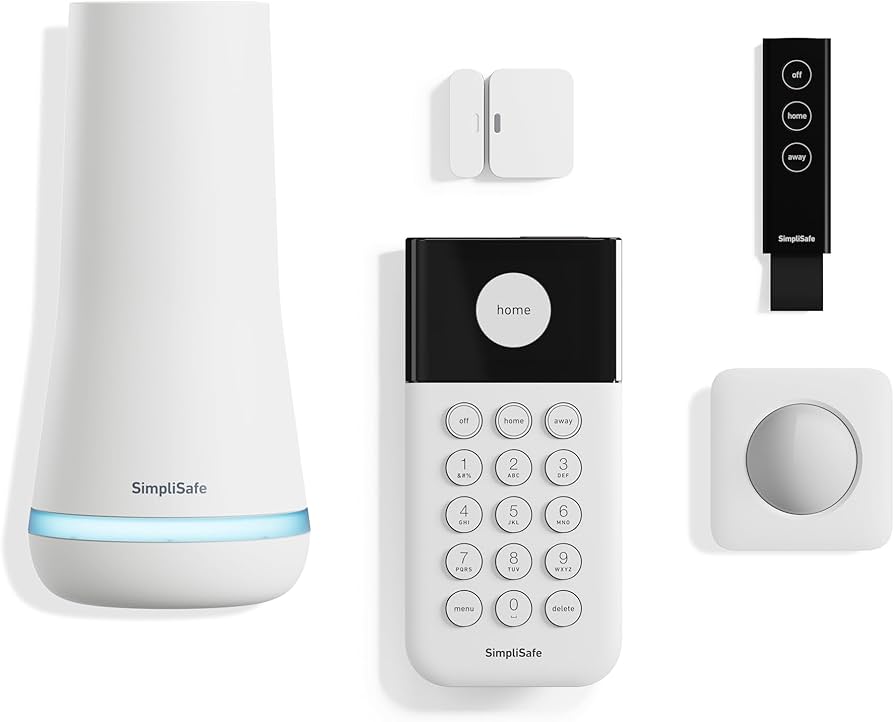
For renters, the priority is usually immediate protection with minimal footprint. Systems like SimpliSafe offer modular kits that start at affordable price points, allowing you to build a system that fits your specific apartment layout. You can start with a base station and a few door sensors, adding cameras or motion detectors later if needed. This approach keeps costs low and ensures that your security setup moves with you.
Portable Starter Kits
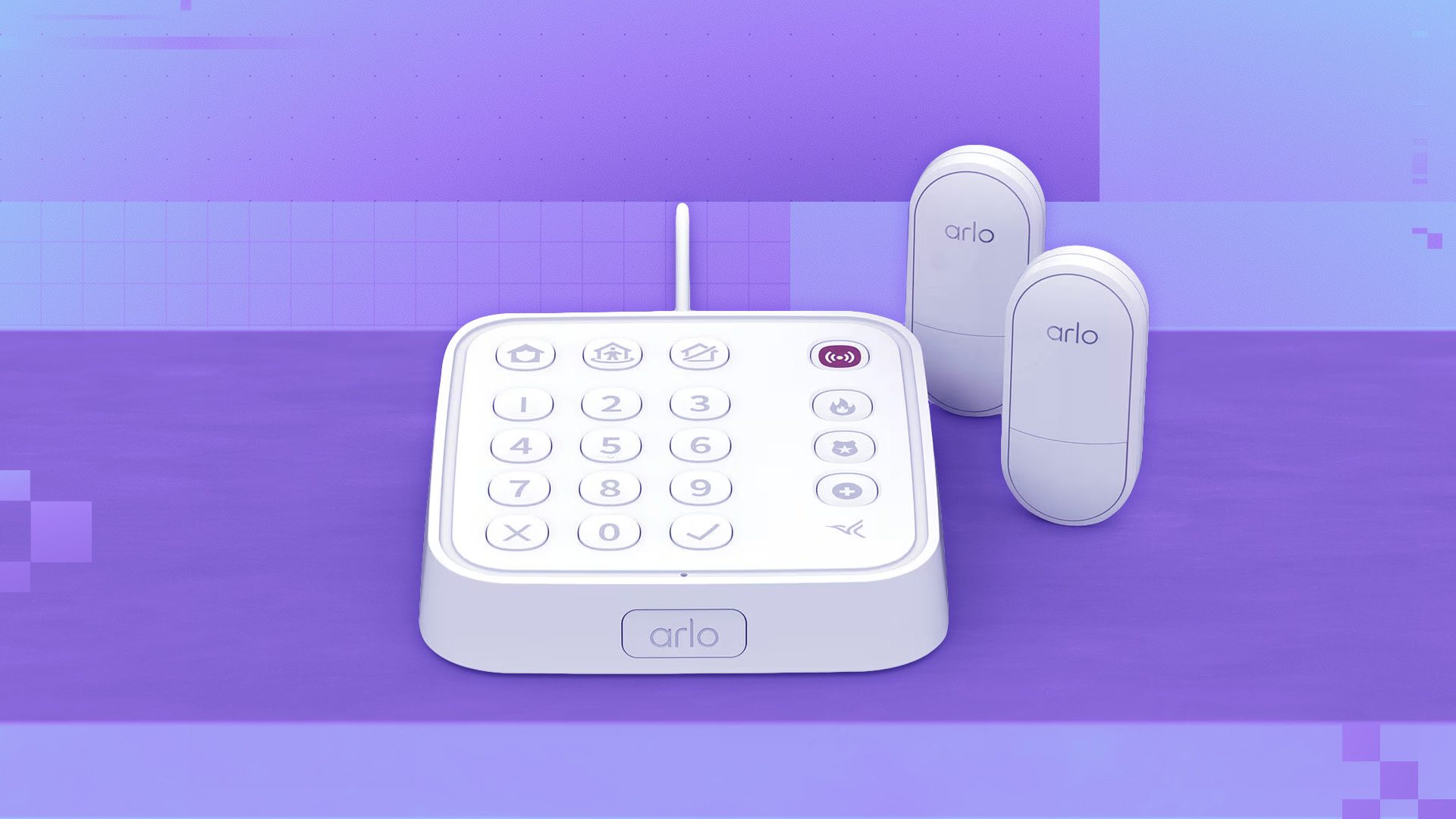
Choosing the right starter kit depends on your specific needs and budget. For those seeking value, SimpliSafe is a strong contender, offering customizable equipment that starts around $250. This allows you to avoid paying for sensors you don't need. Other options like Arlo provide wireless camera-focused systems that require no drilling for installation, making them ideal for apartments where wall space is limited.


As an Amazon Associate, we may earn from qualifying purchases.
How to choose your security setup
Selecting the right home security system requires matching the technology to your specific living situation, budget, and comfort with smart devices. There is no single best system for every home; the right choice depends on whether you prioritize professional monitoring, DIY flexibility, or advanced AI features.
Your home’s size and construction dictate the hardware you need. Renters in apartments often prefer wireless, battery-powered kits that require no drilling, while homeowners in large properties may need wired systems or cellular backup for reliability. Consider the number of entry points and whether you need indoor or outdoor coverage.
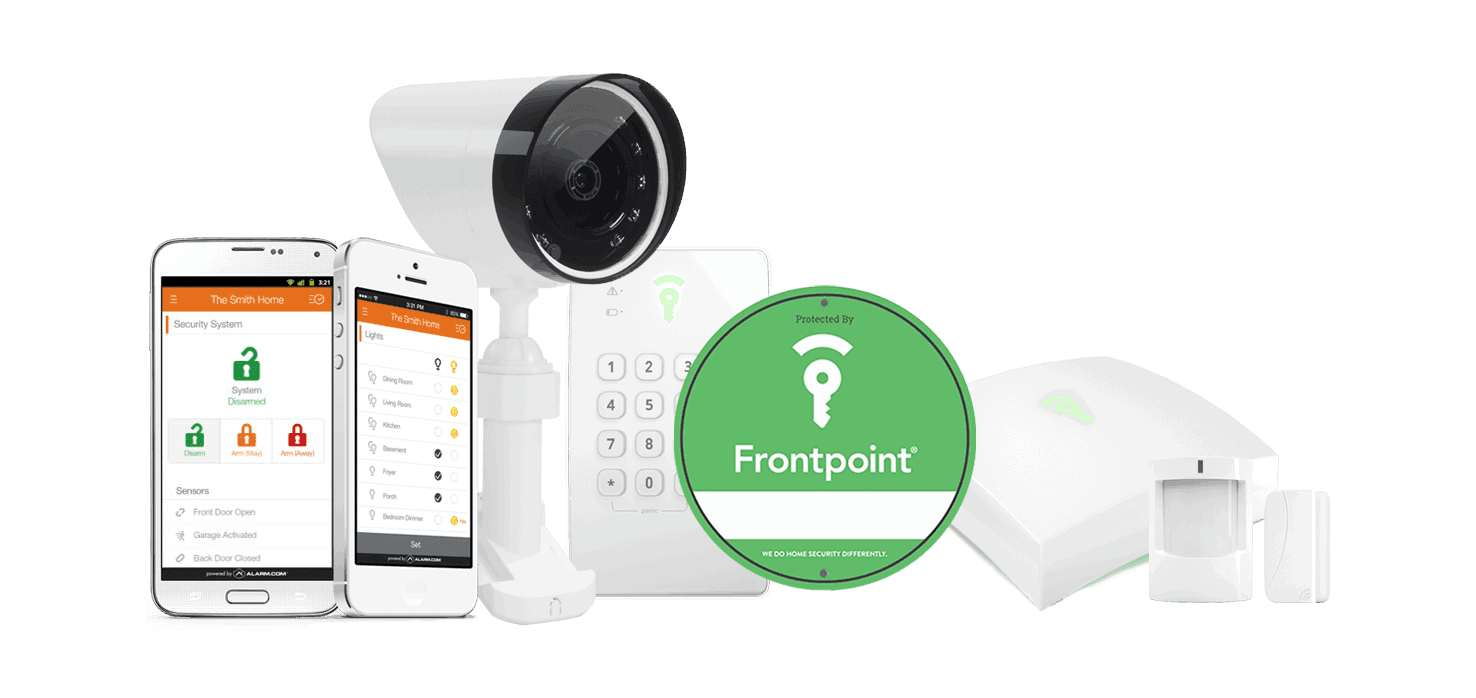
Costs fall into two categories: upfront hardware and ongoing monthly fees. DIY systems like SimpliSafe or Ring offer lower entry prices but may charge for professional monitoring. AI-driven systems like Vivint often bundle installation and premium support into higher monthly plans. Decide if you need 24/7 professional monitoring or if self-monitoring via smartphone alerts is sufficient.
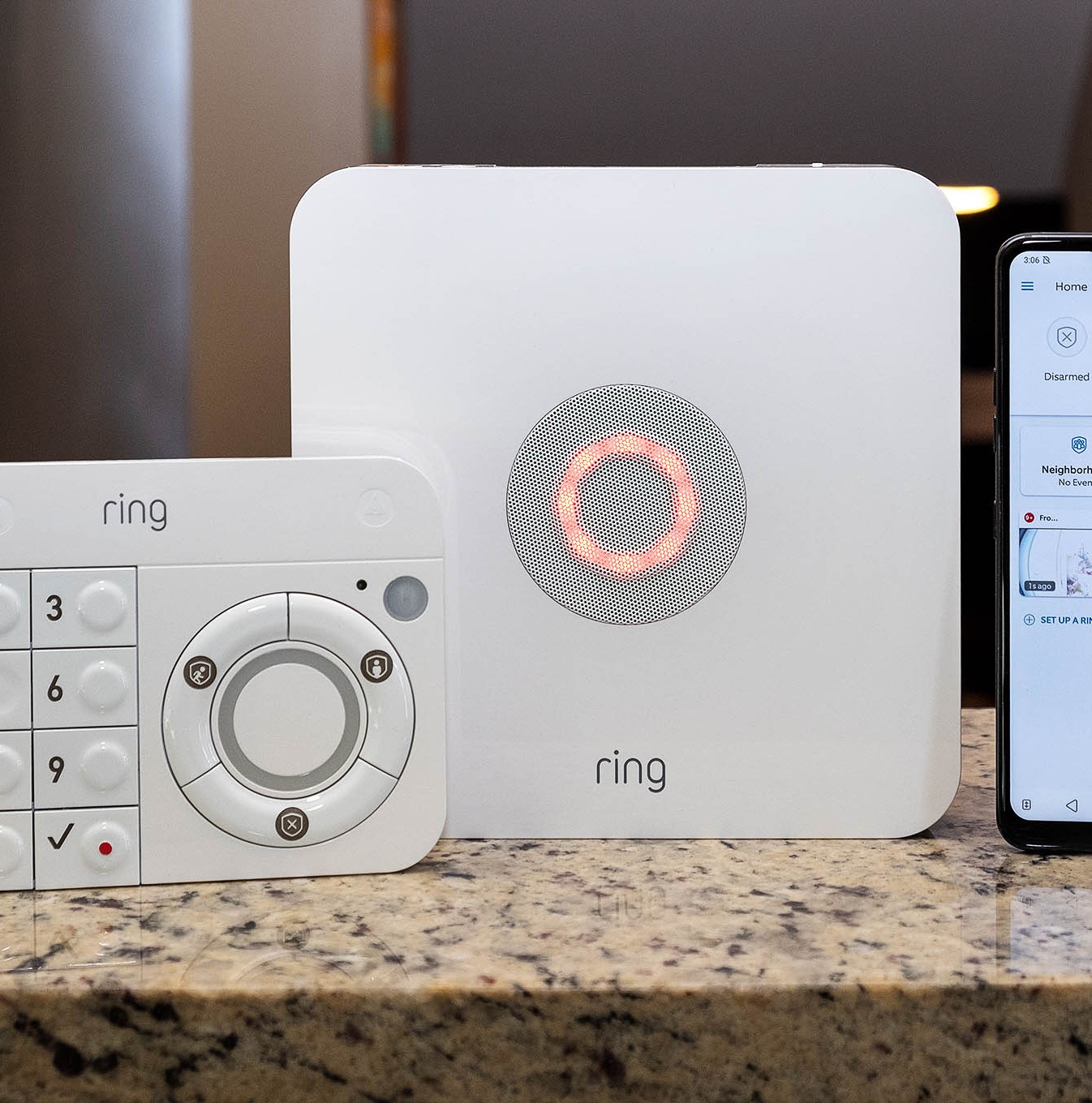
Traditional alarm systems rely on simple sensors for doors and windows, triggering a siren if breached. AI-powered systems add video analytics, facial recognition, and behavior detection to reduce false alarms and provide richer context. If you want basic intrusion detection, traditional systems are cost-effective. If you want proactive alerts and smart home integration, AI systems offer more utility at a higher price point.
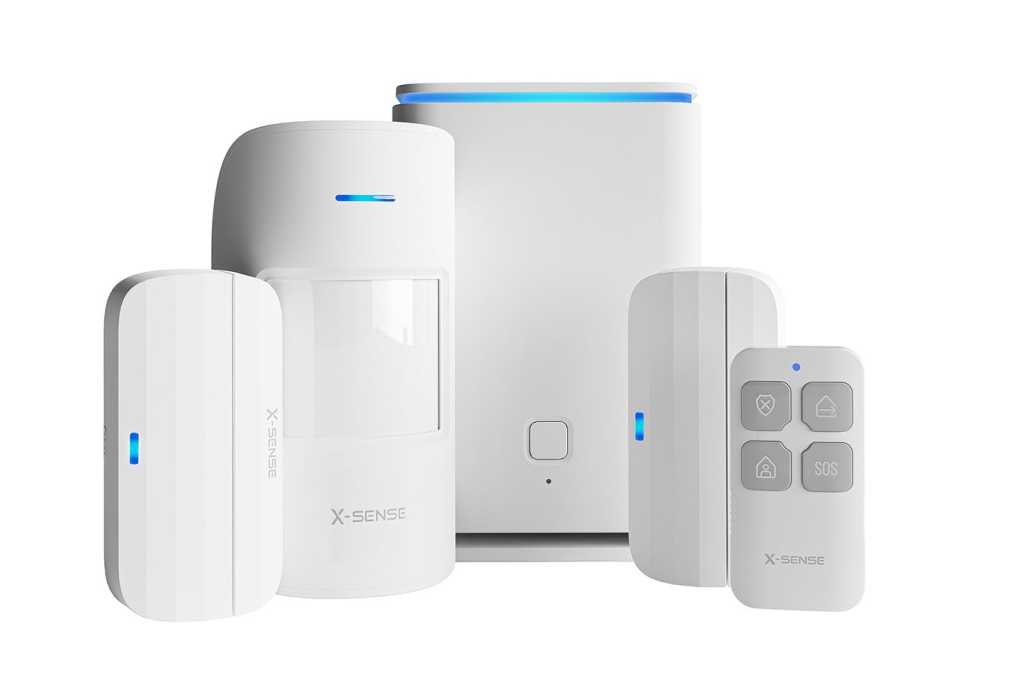
Consider how much time you want to spend managing your security. DIY systems require you to install sensors and troubleshoot issues yourself. Professional installation services handle setup and maintenance, which is ideal if you are not tech-savvy or want a hands-off approach. Check if the system offers customer support and if updates are automatic or manual.
No comments yet. Be the first to share your thoughts!