

Start with the front door
Most break-ins happen through the front door, and a standard latch is rarely enough to stop a determined intruder. The front door is your home’s primary physical entry point, making it the first line of defense against unauthorized access. Upgrading this single point of entry offers the highest return on investment for your home security strategy.
Upgrade to a reinforced deadbolt
A standard builder-grade latch bolt is usually made of thin metal and can be easily kicked in or picked. Replace it with a Grade 1 or Grade 2 deadbolt, which features a thicker, hardened steel bolt that extends deeper into the door frame. Look for models with anti-drill pins and reinforced strike plates to prevent the lock from being compromised by force.
Reinforce the door frame
Even the best lock will fail if the surrounding wood is weak. Install a metal door frame reinforcement kit, such as a door armor plate, which wraps around the existing jamb. This prevents the door frame from splitting when force is applied. For older homes, check for rot or gaps around the frame and seal them to eliminate easy access points.
Add a peephole or video doorbell
Visual confirmation is critical before you open the door. A wide-angle peephole lets you see who is outside without revealing your presence. For a modern upgrade, install a video doorbell that records visitors and sends alerts to your phone. This allows you to verify identities remotely and deter potential intruders who prefer anonymity.
Secure sidelights and windows
If your front door has glass panels or adjacent sidelights, these are vulnerable to "glass break" attacks. Apply security film to the glass to hold it together if shattered, making it much harder for someone to reach in and use the door from the inside. Ensure the glass is tempered or laminated for added strength.
Secure windows and sliding doors
Windows and sliding doors are often the weakest points in a home’s perimeter. Unlike solid wood entry doors, glass panels and sliding tracks offer little resistance to forced entry. A determined intruder can shatter a standard window in seconds or lift a poorly secured sliding door right out of its track. Securing these secondary entry points requires a mix of physical reinforcement and simple behavioral habits.
Install window locks and security film
Most windows come with basic latches, but these are often flimsy and easy to pry open from the outside. Upgrade to keyed locks or add auxiliary window security bars that prevent the sash from opening more than a few inches. For ground-floor windows, consider applying security film to the glass. This thin, clear layer holds the glass together if it is struck, delaying entry and making the window look like a difficult target.
Reinforce sliding door tracks
Sliding glass doors are particularly vulnerable because they can be lifted out of their bottom track entirely. Install a security bar or a wooden dowel in the bottom track to block movement. For a more permanent solution, drill a hole into the upper track and insert a screw or nail that drops into the bottom track, physically locking the door in place. This simple mechanical fix prevents the door from sliding open even if the latch is compromised.
Check and replace strike plates
Just as with exterior doors, the hardware holding your windows and sliding doors in place matters. Ensure that the strike plates—the metal plates on the frame where the lock or latch engages—are secured with three-inch screws. Standard short screws only bite into the trim, not the structural framing. Longer screws anchor the plate into the house’s studs, making it significantly harder to kick or pry the door or window open.
Maintain clear sightlines
Security is also about visibility. Overgrown bushes or tall hedges directly outside windows and sliding doors provide cover for intruders. Trim vegetation so that it does not obscure the view from the street or neighboring houses. Clear sightlines act as a natural deterrent, as potential break-ins are much harder to execute without being seen.
Fortify your home network
Physical locks keep doors shut, but your Wi-Fi password controls who walks through the digital front door. Smart locks, video doorbells, and motion sensors are only as secure as the network they connect to. An unsecured or poorly configured home network exposes your entire system to remote hacking.
Start by isolating your smart devices from your main computers. Most modern routers support a "Guest Network" feature. Move all IoT devices—cameras, thermostats, and smart plugs—to this separate network. This creates a digital buffer. If a hacker breaches a cheap smart bulb, they cannot jump from that device to your laptop or phone where your banking and personal data live.
Next, update your router firmware and disable remote management. Router updates patch known security holes that attackers exploit. Remote management features allow you to control your router from outside your home, but they also provide a backdoor for intruders. Turn this off unless you specifically need it, and even then, use a strong, unique password for the admin panel.
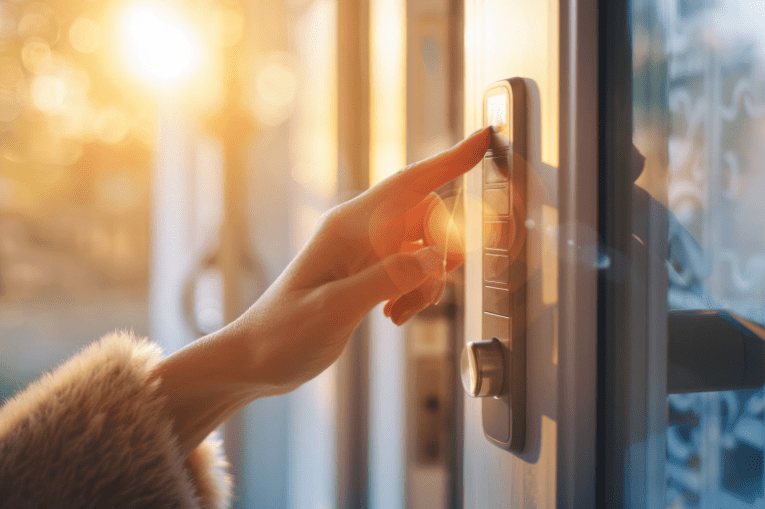
Log into your router settings and enable the Guest Network feature. Name it something generic like "Guest" or "IoT" rather than your address. Set a strong, complex password different from your main Wi-Fi. Connect all smart home devices to this new network.
Check your router manufacturer’s website or admin panel for firmware updates. Install the latest version to patch security vulnerabilities. Enable automatic updates if your router supports them to ensure you stay protected against new threats.

Locate the "Remote Management" or "WAN Access" setting in your router and turn it off. This prevents outsiders from accessing your router’s control panel from the internet. Manage your network only when you are physically connected to your home Wi-Fi.
Finally, change the default admin password on every smart device. Many users never change the factory-set credentials, leaving devices vulnerable to simple brute-force attacks. Use a password manager to generate and store unique passwords for each device. This simple step significantly raises the barrier for anyone trying to compromise your home security.
Choose a security system type
Your home security system is the backbone of your protection strategy. The two main paths are professionally monitored systems and DIY self-monitored setups. Your choice depends on how much you want to pay monthly, how hands-on you want to be, and how quickly you need help when an alarm triggers.
Professional monitoring acts like a 24/7 security guard. When sensors detect a break-in, the signal goes to a central station that contacts police or fire services. DIY systems rely on your phone. You get alerts on your device and must decide whether to call authorities or check the camera yourself. Both work, but they serve different lifestyles.
Professional Monitoring
With professional monitoring, a third-party company watches your home around the clock. If your motion sensors or door contacts trigger, the monitoring center verifies the alarm and dispatches emergency responders. This layer of support is critical if you travel often, work long hours, or have mobility issues that make calling 911 difficult.
The trade-off is cost. Professional monitoring typically requires a monthly subscription fee, ranging from $20 to $60 depending on the provider and level of service. You also usually sign a contract, often for 12 to 36 months. However, many systems include professional installation, which saves time and ensures sensors are placed correctly.
DIY Self-Monitored Systems
DIY systems give you full control. You buy the equipment, install it yourself using adhesive mounts or simple screws, and manage alerts through a smartphone app. There are no monthly fees required to use the basic features, though cloud storage for video footage may cost extra.
This option is ideal for renters or budget-conscious homeowners. You can start with a few cameras and add sensors later. The downside is responsibility. If an alarm goes off at 3 a.m., you are the first responder. You must check the footage, determine if it is a false alarm, and call the police if necessary. Delayed response times can occur if you are asleep or away from your phone.
Comparison: Monitored vs. DIY
Use this table to compare the key differences side-by-side before making your decision.
| Feature | Professional Monitoring | DIY Self-Monitored |
|---|---|---|
| Monthly Cost | $20–$60 | $0–$15 |
| Installation | Professional or DIY | DIY only |
| Emergency Response | 24/7 dispatch center | You call 911 |
| Contract | Often 12–36 months | None |
| Customization | Limited by provider | High flexibility |
Build a daily security routine
Security isn't a one-time installation; it's a habit. You don't need to constantly monitor your systems if you build a simple, repeatable routine. This approach reinforces both physical and digital defenses without requiring constant vigilance.
Morning and Evening Checks
Start and end your day with a quick sweep. Lock all exterior doors and windows. If you have an alarm system, set it to the appropriate mode. Ensure garage doors are closed and secure. These small actions create a baseline of safety that deters opportunistic intruders.
Digital Hygiene
Your digital footprint is just as important as your physical locks. Update passwords for smart home devices and security cameras regularly. Review privacy settings on social media to ensure you aren't broadcasting when you are away. A simple habit of checking for software updates on your router and devices prevents unnecessary vulnerabilities.
Weekly Maintenance
Once a week, trim bushes near windows and doors to eliminate hiding spots. Test smoke detectors and carbon monoxide alarms. Check that exterior lighting is functional. These tasks take less than ten minutes but significantly improve your home's resilience.
-
Lock all doors and windows upon leaving and returning
-
Set the alarm system to home or away mode as needed
-
Ensure garage doors are fully closed and locked
-
Update passwords for smart home devices monthly
-
Review social media privacy settings
-
Trim landscaping near entry points weekly
-
Test smoke and carbon monoxide detectors monthly
Common security mistakes to avoid
Even with strong locks and alarms, small habits can undo your hard work. These oversights are the easiest ways for intruders to bypass your defenses without forcing entry.
Hiding keys outside
Leaving a spare key under a mat or in a fake rock is the oldest trick in the book. Burglars check these spots first. Instead, give a key to a trusted neighbor or use a smart lock with unique codes.
Ignoring garage security
Your garage door is often the weakest point. If the opener is left on the car visor, anyone who steals your vehicle can enter your home. Always store remotes inside the vehicle and ensure the manual release is secure.
Leaving windows unlocked
Windows are frequent entry points, especially on upper floors where people assume they are safe. Always lock them, even if you are home. If you have an alarm system, make sure it is armed every time you leave.
No comments yet. Be the first to share your thoughts!