

Start with a perimeter inspection
Before checking locks or alarms, walk the entire exterior of your home. This initial assessment reveals physical vulnerabilities and environmental hazards that intruders often exploit. Focus on the ground floor first, as most break-ins occur at this level. Look for broken windows, damaged siding, or loose screens that could provide an easy entry point.
Pay close attention to your landscaping. Overgrown bushes near windows or doors create hiding spots for intruders and can obstruct your view of approaching visitors. Trim any vegetation back at least three feet from the structure. Ensure that all exterior lighting is functional to deter intruders and illuminate trip hazards.
Check your roof and gutters as well. Damaged shingles or clogged downspouts can lead to water intrusion, which weakens structural integrity and encourages mold growth. Repair any visible damage to maintain the home's defensive posture. A well-maintained exterior signals that the property is cared for and monitored, which is a fundamental aspect of Home Safety.
Secure smart devices and networks
Your digital infrastructure is the new front door. A compromised smart lock or unsecured Wi-Fi network can bypass physical barriers instantly. Hardening these devices is a core part of modern Home Safety.
1. Change default credentials immediately
Manufacturers ship devices with generic usernames and passwords like "admin" or "1234." These are the first targets for automated bots. Log into every router, camera, and hub. Change the default password to a strong, unique phrase that includes numbers and symbols. This simple step blocks the majority of basic intrusion attempts.
2. Segment your Wi-Fi network
Treat your smart devices like guests. Use your router’s settings to create a separate "Guest" network specifically for IoT devices like bulbs, plugs, and sensors. Keep your primary network for computers, phones, and sensitive data. If a smart bulb is compromised, the attacker remains isolated on the guest network and cannot access your personal files or main devices.
3. Update firmware regularly
Software updates often contain critical security patches for newly discovered vulnerabilities. Enable automatic updates wherever possible in your device apps. If you must update manually, check for firmware changes monthly. Outdated software is like leaving a window unlocked; it invites unauthorized access.
4. Disable unused features
Many smart devices come with features you may never use, such as remote access or cloud storage. If you don’t need them, turn them off. Each active feature is a potential entry point for attackers. Reducing the attack surface minimizes risk.
5. Use a strong router password
Your router is the gatekeeper. Set a complex password for your admin panel, distinct from your Wi-Fi password. Change the SSID (network name) to something that doesn’t reveal your identity or device types. Avoid using your address or name in the network label.
6. Enable two-factor authentication (2FA)
Where available, activate 2FA for all smart home accounts. This adds a second layer of verification, such as a code sent to your phone, making it much harder for hackers to take over your accounts even if they guess your password.
Install fire and carbon monoxide detectors
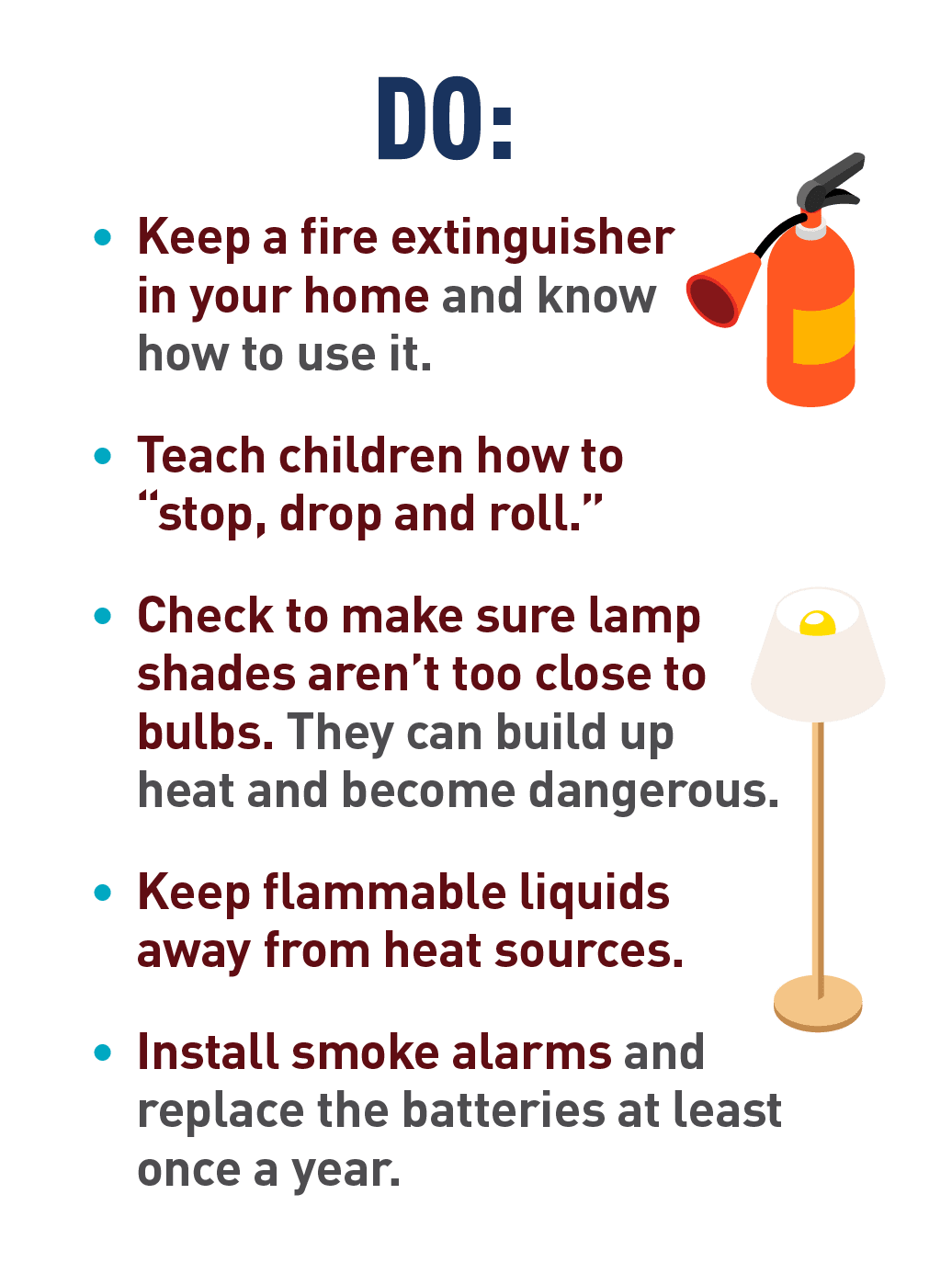
Smoke and carbon monoxide detectors are the first line of defense in any Home Safety plan. They provide the early warning needed to escape a fire or ventilate a home filled with invisible, odorless carbon monoxide. Proper placement and regular maintenance are just as important as the devices themselves.
Placement matters
Install smoke alarms inside every bedroom, outside each sleeping area, and on every level of the home, including the basement. For carbon monoxide detectors, place them on every level of the home and near each sleeping area. Avoid installing detectors in kitchens or bathrooms where steam or cooking fumes might trigger false alarms. Keep them at least 10 feet away from cooking appliances to reduce nuisance alerts.

Testing and maintenance schedule
Test all detectors monthly by pressing the test button. Listen for a loud, distinct alarm to confirm the sensor and battery are working. Replace batteries at least once a year, or when the device chirps to indicate low power. If you have sealed lithium batteries that last 10 years, note the manufacturing date and replace the entire unit when it expires.
Keep detectors clean by vacuuming them gently every six months to remove dust and debris that can interfere with sensors. If a detector fails to sound during testing, replace it immediately. Never disable a detector to avoid nuisance alarms; instead, move it to a better location or use a different type of smoke alarm designed for kitchens.
Prevent slips, trips, and falls
Slips and falls are the leading cause of accidental injury in the home. Reducing these risks starts with removing loose obstacles and improving visibility. Treat your living space like a clear runway: every step should be predictable and stable.
Secure loose rugs and carpets
Area rugs are a major tripping hazard. Remove them entirely if possible, or use non-slip pads underneath. If you must keep a rug, ensure it lies flat with no curled edges. For wall-to-wall carpeting, check for loose seams or buckling and repair them immediately.
Improve lighting in key areas
Poor lighting makes it hard to see obstacles. Install brighter bulbs in hallways, staircases, and entryways. Add nightlights in bedrooms, bathrooms, and hallways to ensure safe passage at night. Motion-sensor lights in closets and pantries can also help.
Clear clutter from walkways
Keep floors clear of shoes, cords, and other objects. Use cord organizers to keep electrical wires off the ground. Store items in designated places so pathways remain open. This is a critical part of Home Safety, especially for children and older adults.
Install grab bars and handrails
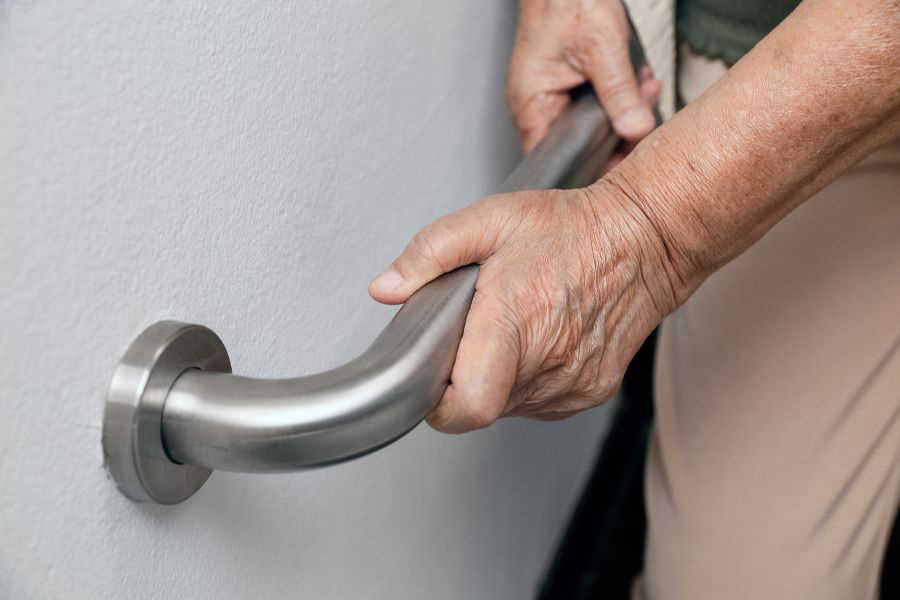
Handrails on both sides of stairs provide stability. Install grab bars in the shower, bathtub, and near the toilet. These fixtures offer support when moving in and out of wet or unstable areas.
Keep frequently used items within reach
Store everyday items in easy-to-reach places. Avoid using step stools or ladders for routine tasks. If you must reach high shelves, use a sturdy step stool with a handrail.
-
Remove or secure all area rugs
-
Install nightlights in hallways and bathrooms
-
Clear walkways of clutter and cords
-
Add grab bars in bathrooms
-
Install handrails on both sides of stairs
Maintain a clear path to exits
Ensure all exits are accessible and unblocked. Keep fire extinguishers and first-aid kits in visible, easy-to-reach locations. Regularly inspect your home for new hazards, such as wet floors or loose fixtures.
Store hazardous materials safely
Keeping dangerous household items out of reach is a core part of home safety, especially when children are present. Poisoning and accidental injuries often happen because chemicals, medications, or sharp objects are stored in easily accessible places like kitchen counters or low bathroom cabinets.
Start by gathering all cleaning products, paints, solvents, and medications. Move these items to a high, locked cabinet or a dedicated storage room that children cannot access. If you do not have a locked cabinet, use childproof locks on existing ones. Never store these items in food containers, as this can lead to dangerous confusion.
For medications, keep them in their original containers with the child-resistant caps intact. Dispose of expired or unused drugs properly rather than leaving them in medicine cabinets. Sharp objects like knives and scissors should also be stored in locked drawers or high cabinets, separate from everyday utensils.
Finally, make sure all hazardous materials are labeled clearly. If you transfer anything to a new container, ensure the label is legible and includes safety warnings. This simple step helps everyone in the household, including guests, understand what they are handling and how to keep your home safe.
Common home safety mistakes to avoid
The easiest mistake with Secure Your Home is comparing options on the most visible detail while ignoring the day-to-day constraint. A choice can look strong on paper and still fail because it is too hard to maintain, too expensive to repeat, or awkward in the actual setting. Use the same checklist for every option: fit, cost, durability, timing, upkeep, and fallback plan. That keeps the comparison practical instead of drifting into preference alone.
The simplest way to use this section is to write down the real constraint first, compare each option against it, and choose the path that still works outside ideal conditions.
Frequently asked questions about home safety
Home safety involves more than just locking doors; it requires managing environmental risks to prevent accidents. Here are answers to common questions about maintaining a secure living space.
How do I prevent slips and falls at home?
Slips and falls are among the most common home injuries. Remove loose area rugs or tape them down securely. Ensure hallways and stairs have adequate lighting, especially near switches. For older adults, installing handrails and ramps can significantly reduce risk [src-3].
What is the best way to protect against fire hazards?
Fire safety starts with preparation. Keep fire extinguishers on every floor and in the kitchen. Store matches and lighters in locked cabinets away from children. Test smoke detectors monthly and replace batteries annually to ensure they work when needed [src-1].
How can I make my home safer for children?
Childproofing involves securing hazardous items. Use safety gates at the top and bottom of stairs. Anchor heavy furniture like bookshelves to walls to prevent tipping. Keep small objects, cleaning supplies, and medications out of reach to avoid ingestion or choking [src-4].
What should I do if I suspect a carbon monoxide leak?
Carbon monoxide is odorless and dangerous. Install detectors on every level of your home, especially near sleeping areas. If the alarm sounds, leave the house immediately and call emergency services. Never use gas appliances like ovens or generators for heating [src-2].
Work through Home Safety
No comments yet. Be the first to share your thoughts!