

Modern home safety starts here
The days of waiting for a burglar alarm to blare after a window is smashed are fading. We are shifting from passive security to proactive smart home systems that detect hazards before they cause damage. This evolution isn't just about locking doors remotely; it is about creating a digital nervous system for your house.
To navigate this landscape, we have identified the five most impactful features for 2026. These are not abstract concepts but concrete capabilities found in devices like the Ring Alarm Pro and Eufy Security cameras. Each feature addresses a specific vulnerability, from fire detection to water leak prevention, offering tangible peace of mind.
We will review each of these five features in detail, focusing on how they work together to create a comprehensive safety net. By the end, you will understand which technologies deserve a place in your home and how they integrate into a unified defense strategy.
5 Smart Home Safety Features for 2026
As automation deepens, smart home safety features for 2026 shift from reactive alerts to proactive prevention. This roundup highlights five concrete devices that integrate seamlessly into modern security ecosystems.
1. Smart video doorbells with package detection
Modern doorbells now use on-device AI to distinguish between mail, deliveries, and strangers, reducing false alerts. This specific feature ensures you know exactly when a package arrives without constant motion triggers. It adds a layer of security for your porch by identifying potential porch pirates or missed deliveries instantly.

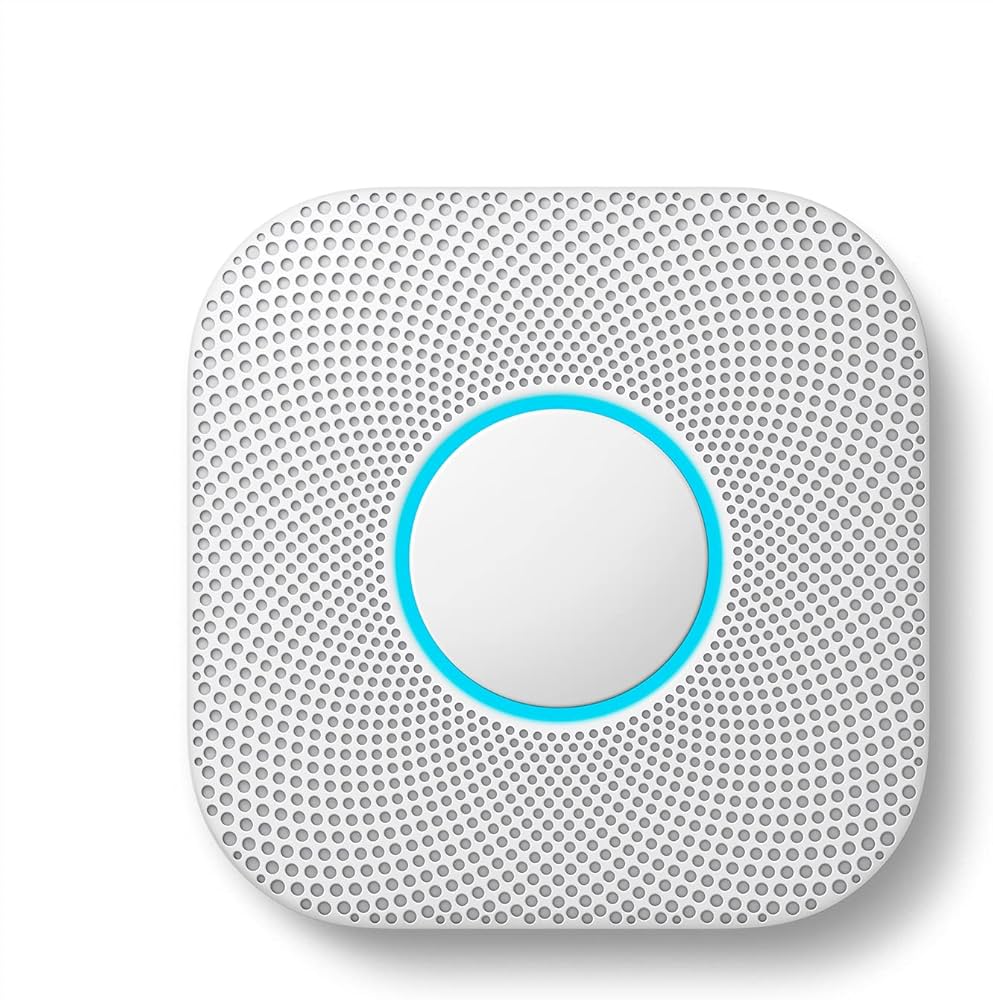
2. Intelligent smoke and carbon monoxide detectors
Traditional smoke alarms often lack connectivity, leaving you unaware of hazards while away. Smart detectors sync with your phone and other home devices, sending immediate alerts for smoke, heat, or carbon monoxide. Some models even silence false alarms remotely, providing peace of mind and faster emergency response times for your household.
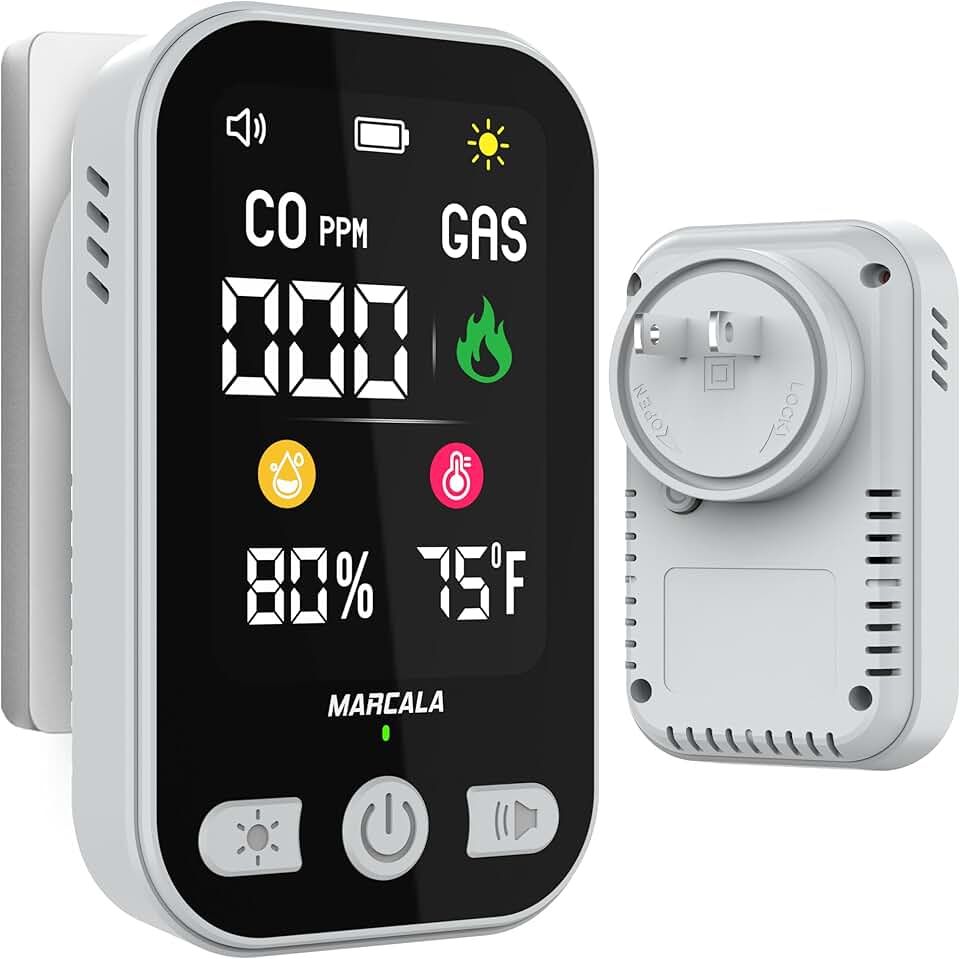
3. Smart locks with remote access control
Physical keys can be lost or copied, but smart locks offer digital precision. These devices allow you to grant temporary access to guests or service providers via unique codes or smartphone apps. You can monitor entry logs in real-time, ensuring only authorized individuals enter your home while maintaining complete control over your security.
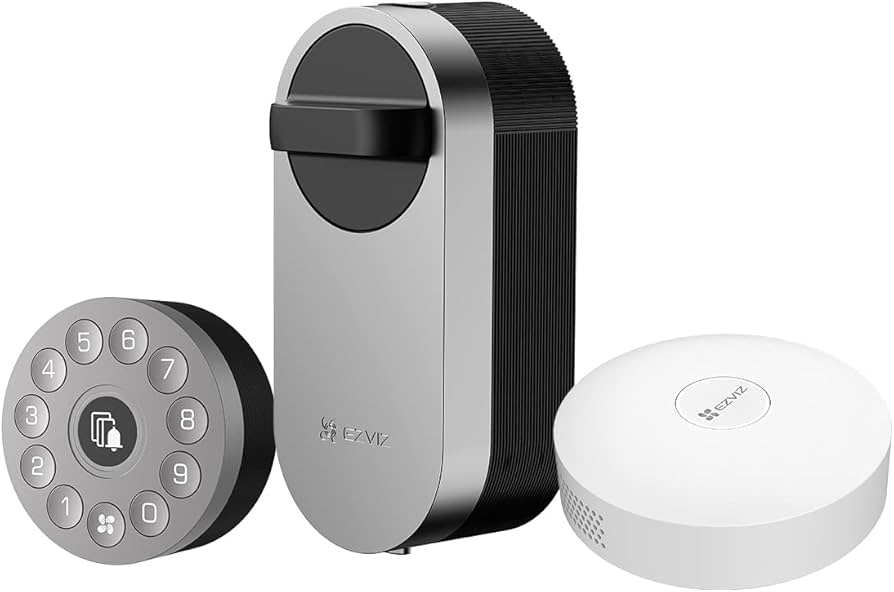
4. Water leak sensors and auto shut-off valves
Water damage is a silent, costly threat that often goes unnoticed until it is too late. Smart leak sensors detect moisture instantly, while integrated auto shut-off valves stop the flow of water automatically. This combination prevents minor drips from becoming major floods, protecting your floors, walls, and personal belongings from extensive water damage.

5. Indoor security cameras with privacy modes
Indoor cameras are essential for monitoring pets or security, but privacy concerns are valid. Modern models feature physical shutters or dedicated privacy modes that mechanically block the lens when not in use. This ensures your personal space remains private when you are home, while still providing comprehensive coverage and recording capabilities when you are away.

Compare smart home safety features side by side
Choosing the right smart home safety features means balancing connectivity, power reliability, and cost. Below is a quick-reference table comparing the five core categories to help you decide where to start.
| Category | Connectivity | Power Source | Price Range |
|---|---|---|---|
| Smart Smoke Detectors | Wi-Fi / Z-Wave | Hardwired + Battery | $30–$100 |
| Smart Locks | Bluetooth / Wi-Fi | Batteries (AA/AAA) | $100–$300 |
| Water Leak Sensors | Zigbee / Z-Wave | Batteries (CR2032) | $20–$50 |
| Smart Cameras | Wi-Fi | Wired or Battery | $50–$250 |
| Smart Thermostats | Wi-Fi / Zigbee | Hardwired (C-wire) | $100–$250 |
Amazon recommendations


As an Amazon Associate, we may earn from qualifying purchases.
Common smart home safety: what to check next
Smart home safety features are only effective when they work reliably and fit your existing setup. Below are answers to the most frequent questions about installation, compatibility, and privacy.
No comments yet. Be the first to share your thoughts!