

Home Security Systems
Choosing between smart detection and traditional alarms comes down to how you want your home to react when something goes wrong. AI-integrated systems use cameras and sensors to distinguish between a pet, a delivery driver, and an intruder before alerting you. Traditional systems rely on motion triggers and sirens to deter break-ins and notify monitoring centers. Both approaches have distinct advantages depending on your lifestyle and security needs.
We evaluated five leading systems based on real-world performance, not just marketing claims. Our selection process focused on three core criteria: detection accuracy, integration capabilities, and reliability during power or internet outages. We prioritized systems that offer clear tradeoffs between professional monitoring costs and DIY flexibility. The goal is to help you find a solution that fits your specific risk profile without overpaying for features you won't use.
5 AI-Integrated Home Security Systems of 2026: Smart Detection vs. Traditional Alarm Systems
AI-integrated systems now offer proactive threat detection that traditional alarms simply cannot match, but the premium comes with higher costs and complex setup requirements. This section compares five top-rated 2026 models to help you weigh smart automation against the reliability and lower price point of legacy hardware.
1. ADT Pulse with AI motion classification
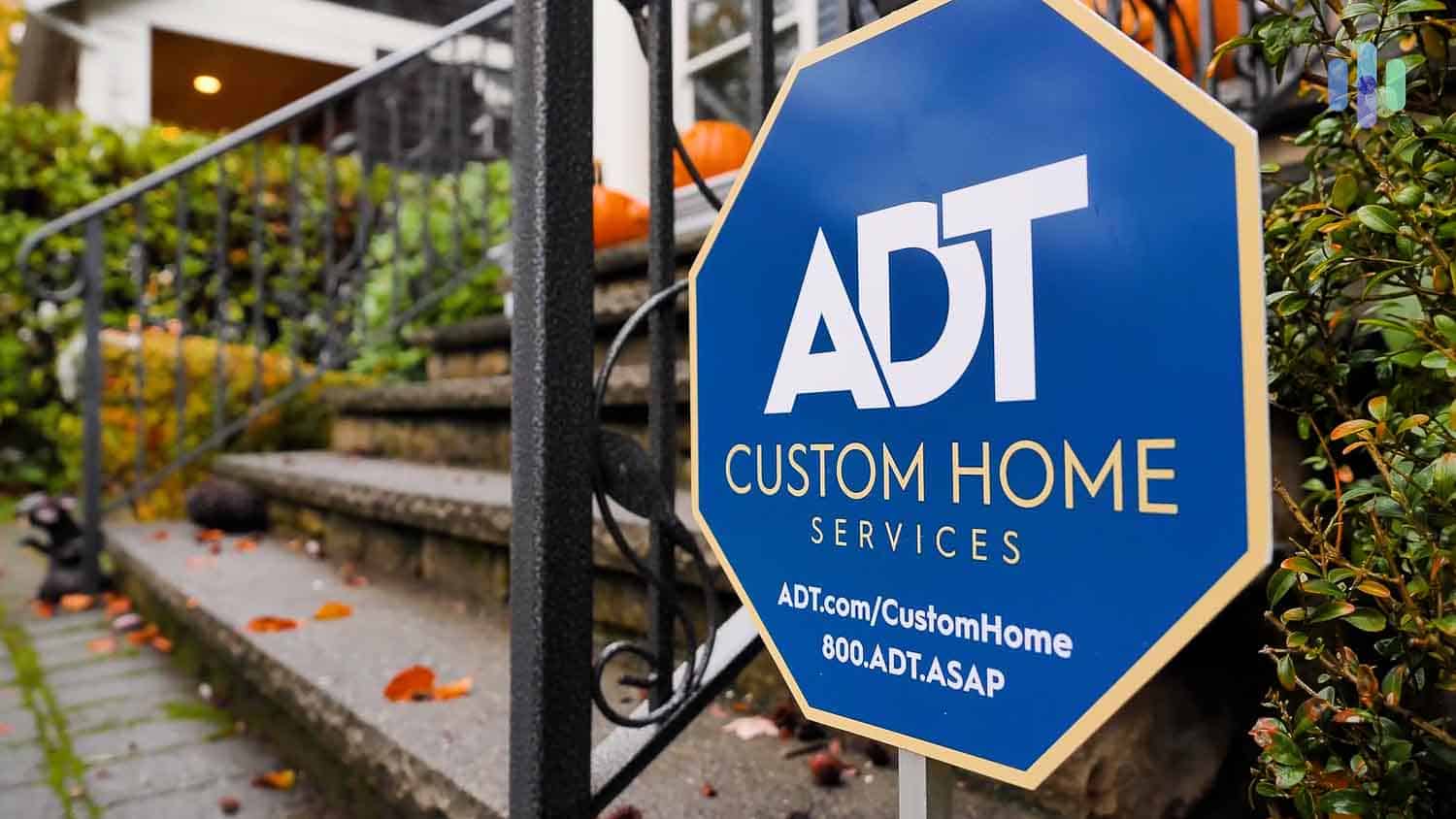
ADT Pulse integrates AI-driven motion classification to distinguish between pets, people, and environmental triggers, significantly reducing false alarms. This system pairs robust professional monitoring with smart home automation, allowing users to customize sensitivity zones. The accompanying yard sign serves as a visible deterrent, while the AI layer ensures alerts are precise and actionable for homeowners seeking reliable, high-tech protection.

2. Ring Alarm Pro with built-in AI
The Ring Alarm Pro combines a mesh Wi-Fi extender with built-in AI security features, creating a resilient network for connected devices. Its intelligent monitoring detects unusual activity patterns and integrates seamlessly with Ring cameras for enhanced video analytics. This all-in-one approach simplifies installation while providing robust wireless coverage, ensuring that smart detection capabilities remain active even during internet fluctuations.

3. SimpliSafe AI-enhanced sensor suite
SimpliSafe’s AI-enhanced sensor suite uses machine learning to analyze environmental data, distinguishing between true threats and harmless changes like HVAC shifts. The system offers modular components that adapt to various home layouts, providing flexible coverage without complex wiring. Its intuitive interface allows users to adjust detection sensitivity easily, ensuring that alerts remain relevant and minimizing nuisance notifications for everyday household activities.

4. Abode Iota smart hub with detection
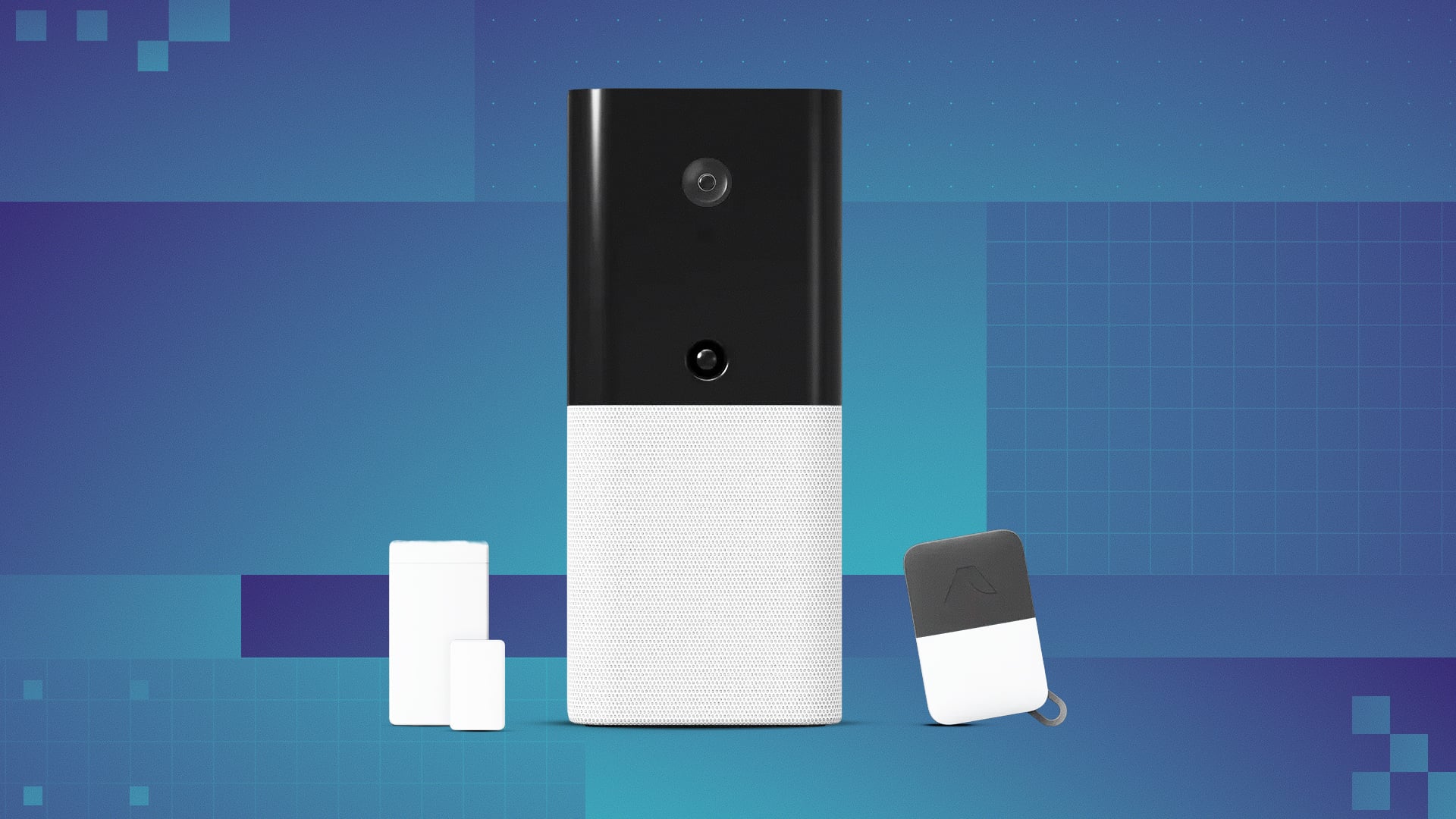
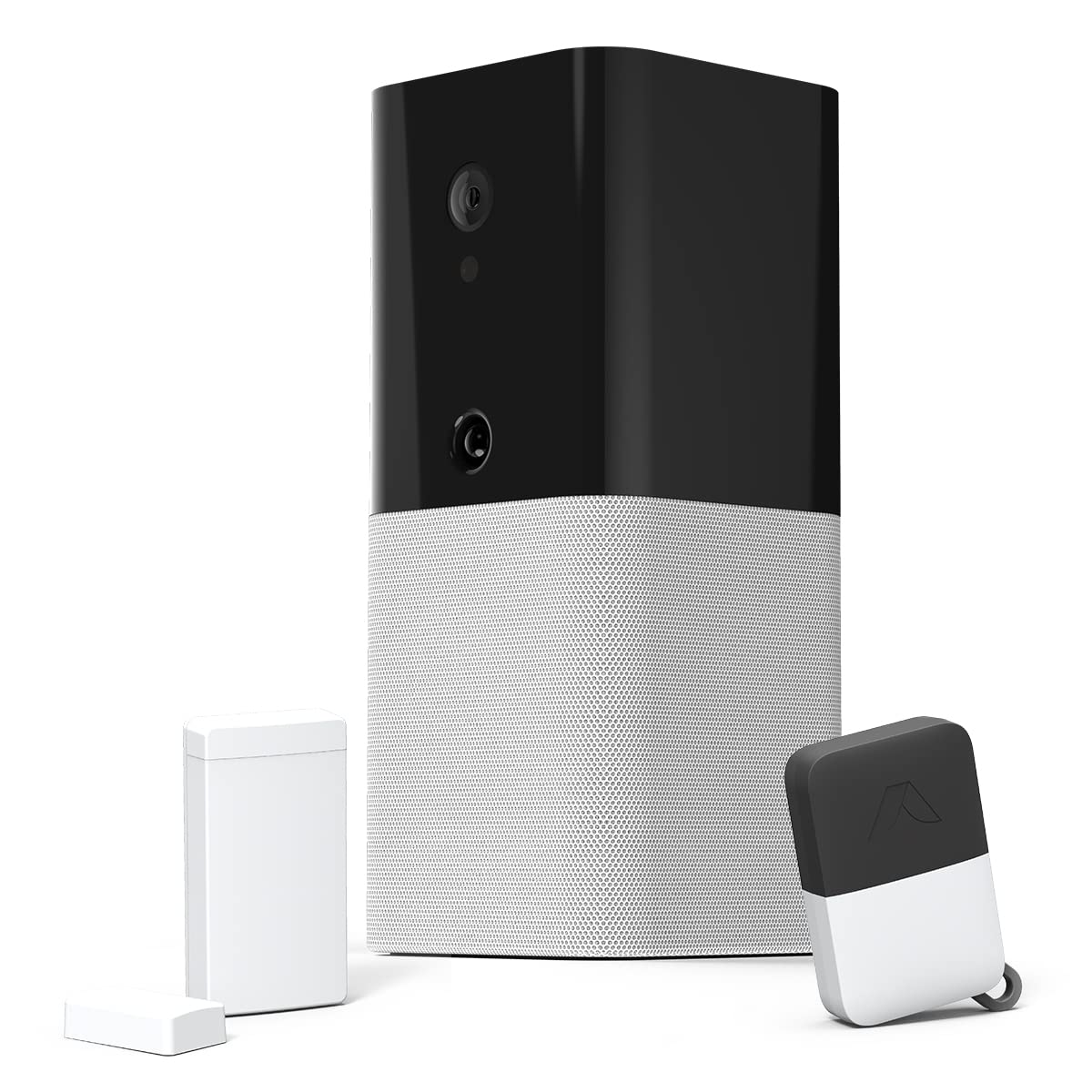
The Abode Iota smart hub acts as the central nervous system for home security, featuring advanced detection algorithms that monitor multiple sensor inputs simultaneously. It supports a wide range of third-party devices, allowing for a customized security ecosystem that evolves with user needs. The hub’s local processing capabilities ensure that critical alerts are generated instantly, even if cloud connectivity is temporarily interrupted, providing consistent reliability.
5. LIFX integrated smart lighting security
LIFX integrated smart lighting transforms illumination into a security tool by using AI-driven schedules and motion triggers to simulate occupancy. These lights can be programmed to respond to security alerts, instantly brightening areas to deter intruders or guide emergency responders. By blending aesthetic design with functional safety, LIFX offers a non-intrusive layer of protection that enhances both home ambiance and overall security posture.

Pick the right fit
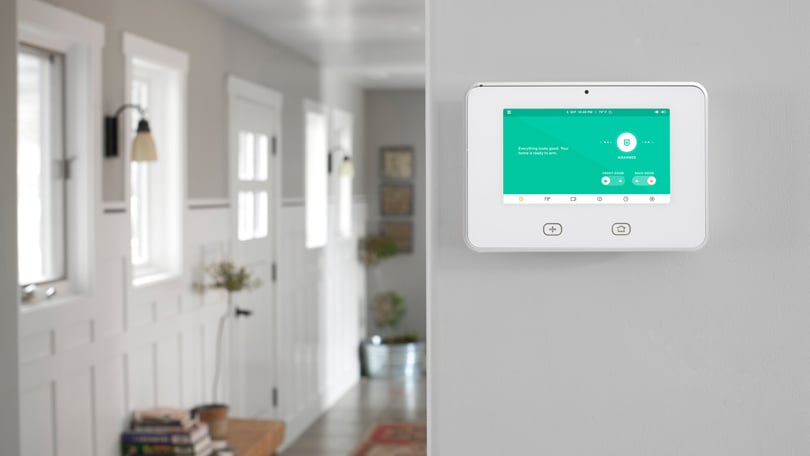
Choosing between AI-integrated home security systems and traditional alarm systems comes down to three practical factors: detection accuracy, monitoring style, and installation complexity. AI systems use machine learning to distinguish between people, pets, and environmental noise, reducing false alarms that plague traditional sensors. Traditional systems rely on motion detectors and door contacts, which are reliable but less specific.
Compare the tradeoffs below to see which approach aligns with your home’s layout and your tolerance for monitoring fees.
| Feature | AI-Integrated Systems | Traditional Systems |
|---|---|---|
| Detection | Video analytics identify people, vehicles, and packages. Filters out pets and shadows. | Passive infrared (PIR) motion sensors and magnetic door/window contacts. |
| False Alarms | Low. AI models are trained to ignore common household movements and weather effects. | Moderate to high. Wind, insects, or temperature changes often trigger PIR sensors. |
| Monitoring | Often includes 24/7 professional monitoring with video verification for faster police dispatch. | Standard 24/7 monitoring. Dispatchers respond to sensor triggers without visual confirmation. |
| Installation | Typically DIY-friendly with wireless cameras and hubs. Some require professional wiring for power. | Often requires professional installation for hardwired sensors and control panels, though DIY kits exist. |
Your decision should hinge on whether you prioritize precision or simplicity. If you live in a high-traffic area or have pets, AI video analytics will save you from the frustration of constant false alarms. If you prefer a set-it-and-forget-it approach with lower monthly fees, a traditional sensor-based system may suffice.


As an Amazon Associate, we may earn from qualifying purchases.
Before finalizing your choice, verify that your Wi-Fi network can handle the bandwidth of multiple HD video streams if you opt for AI. Traditional systems are far less demanding on your internet connection. Also, check if your local police department accepts video-verified alerts, as some jurisdictions still require standard sensor triggers for immediate response.
Frequently asked questions about AI home security
Are AI home security systems worth the higher cost? AI-integrated systems like Vivint or Arlo cost more upfront than basic alarms, but they reduce false alarms caused by pets or wind. This saves money on monitoring fees and prevents police dispatches for non-emergencies. If you want to see video evidence before reacting, the premium is usually justified.
Can traditional alarm systems work with smart cameras? Yes, most modern alarm panels support third-party integrations. You can add AI cameras to a SimpliSafe or ADT system via their apps. However, the alarm panel itself won’t process the video; your phone or cloud service will handle the smart detection while the panel handles the siren and monitoring.
Do AI security systems require professional installation? Not necessarily. Brands like Ring and SimpliSafe offer DIY kits that pair with AI features. Professional installation is only mandatory if you need hardwired connections or want the system integrated directly with your home’s electrical panel. Self-installation is faster but may void certain monitoring warranties.
How do AI systems handle privacy and data storage? AI cameras record to local SD cards or encrypted cloud servers. Check if the brand offers local storage to keep footage off their servers. Most systems let you disable cloud recording and only use AI for real-time alerts, giving you more control over who sees your home’s activity.
No comments yet. Be the first to share your thoughts!