
How we tested home security systems
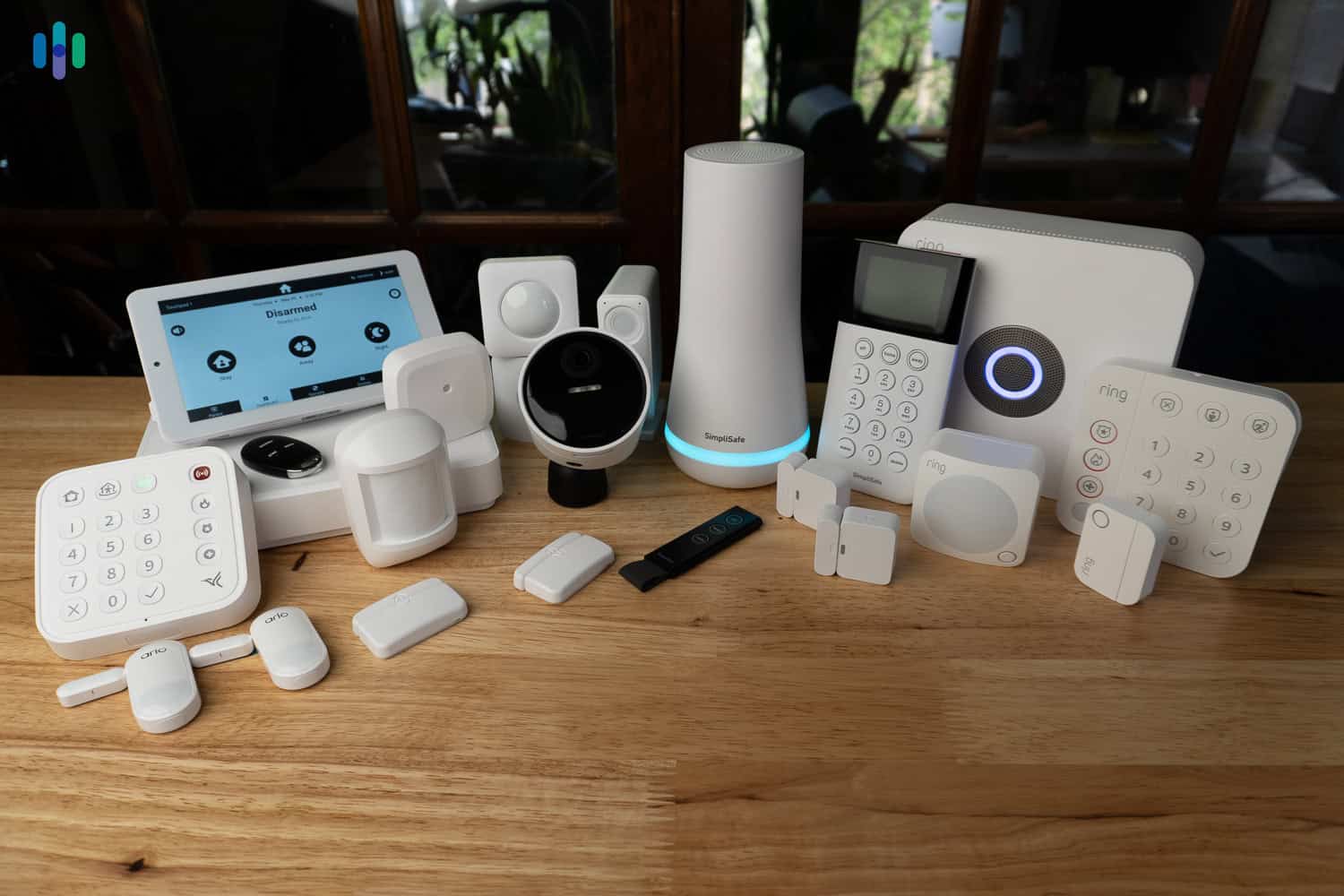
Out of 33 systems tested, only 8 met our top-tier criteria for reliability and smart integration. We didn't just read the spec sheets; we installed these systems in real homes to see how they perform under pressure. Our evaluation focused on three core areas: installation ease, app reliability, and monitoring accuracy.
We started with installation. A system is only as good as its setup. We timed how long it took to unbox, mount, and connect each device. For example, the Ring Alarm was notably simpler to install than the more complex wired setups from ADT or Vivint, which often required professional assistance for optimal performance.
Next, we tested the companion apps. We checked for lag, notification speed, and interface clarity. A delayed notification can mean the difference between a minor scare and a break-in. We also verified that live views from cameras remained stable during peak usage hours, ensuring that the app could handle multiple streams without crashing.
Finally, we assessed monitoring accuracy. We triggered alarms to see how quickly professional monitoring centers responded and how accurately they identified false positives. This step was critical for systems like SimpliSafe and Frontpoint, which rely heavily on their monitoring services for true peace of mind. We prioritized systems that minimized false alarms while maintaining rapid response times for genuine threats.
Best overall home security system
When balancing professional monitoring, smart home compatibility, and ease of use, Vivint HomeProtect Pro stands out as the top choice. It offers a polished ecosystem that feels more like a premium tech product than a traditional alarm system. The interface is intuitive, the hardware is sleek, and the integration with major smart home platforms is robust.
Vivint shines for homeowners who want a set-it-and-forget-it solution. Their professional installation ensures that sensors are placed optimally, and their 24/7 monitoring center provides a reliable safety net. While the monthly monitoring fees are higher than DIY options, the convenience and reliability justify the cost for many users.
To help you compare how Vivint stacks up against other top contenders, we’ve broken down the key specs below.
| System | Monitoring Type | Contract Length | Smart Home Hub |
|---|---|---|---|
| Vivint HomeProtect Pro | Professional (24/7) | 3 years | Vivint Smart Hub |
| ADT | Professional (24/7) | 3 years | ADT Control Hub |
| SimpliSafe | Professional or Self | None required | SimpliSafe Hub |
| Ring Alarm Pro | Professional or Self | None required | Ring Alarm Base Station |
Best DIY home security systems
DIY home security systems let you install cameras, sensors, and hubs yourself, often in under an hour. You skip the contractor scheduling and the long-term monitoring contracts. These systems are built for renters and homeowners who want flexibility, self-monitoring options, and the ability to move equipment when you relocate.
The best DIY kits balance ease of setup with reliable app performance. You get professional-grade sensors without the professional installation fee. Most systems offer self-monitoring through a smartphone app, with optional paid monitoring if you change your mind later. This structure keeps costs predictable and gives you full control over your security data.
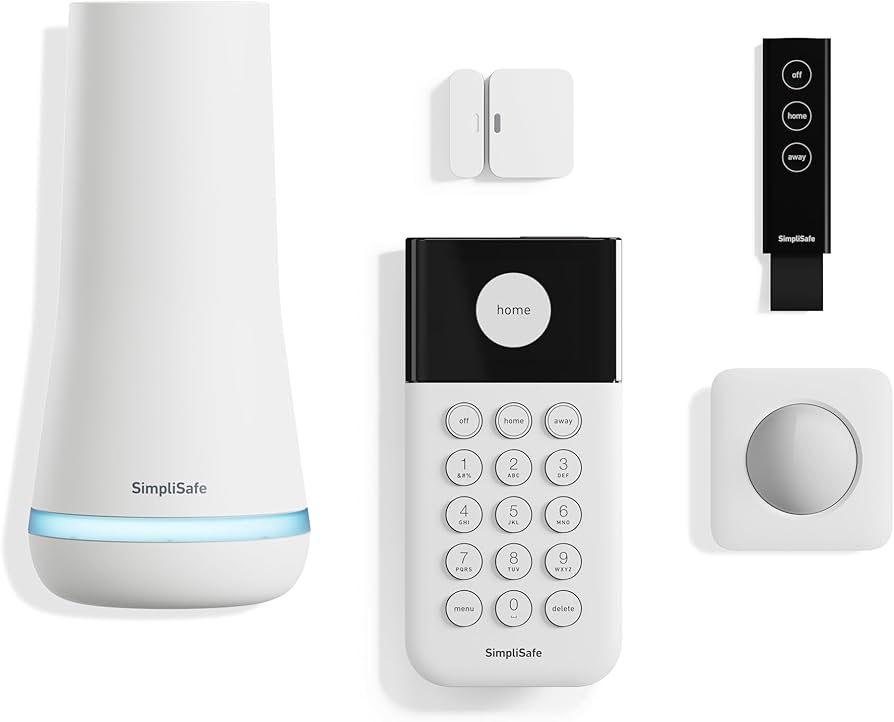
Top DIY kits available on Amazon
These kits represent the most popular self-install options. They are designed for immediate purchase and straightforward setup.


As an Amazon Associate, we may earn from qualifying purchases.
Best budget-friendly security options
When you need to protect your home without breaking the bank, budget-friendly security systems offer a practical middle ground. These setups typically start with equipment costs around $250 and include affordable monitoring plans that keep you safe without long-term contracts. The goal is to get core safety features—like door sensors, motion detection, and professional monitoring—without paying for bells and whistles you won’t use.
SimpliSafe: Best Overall Value
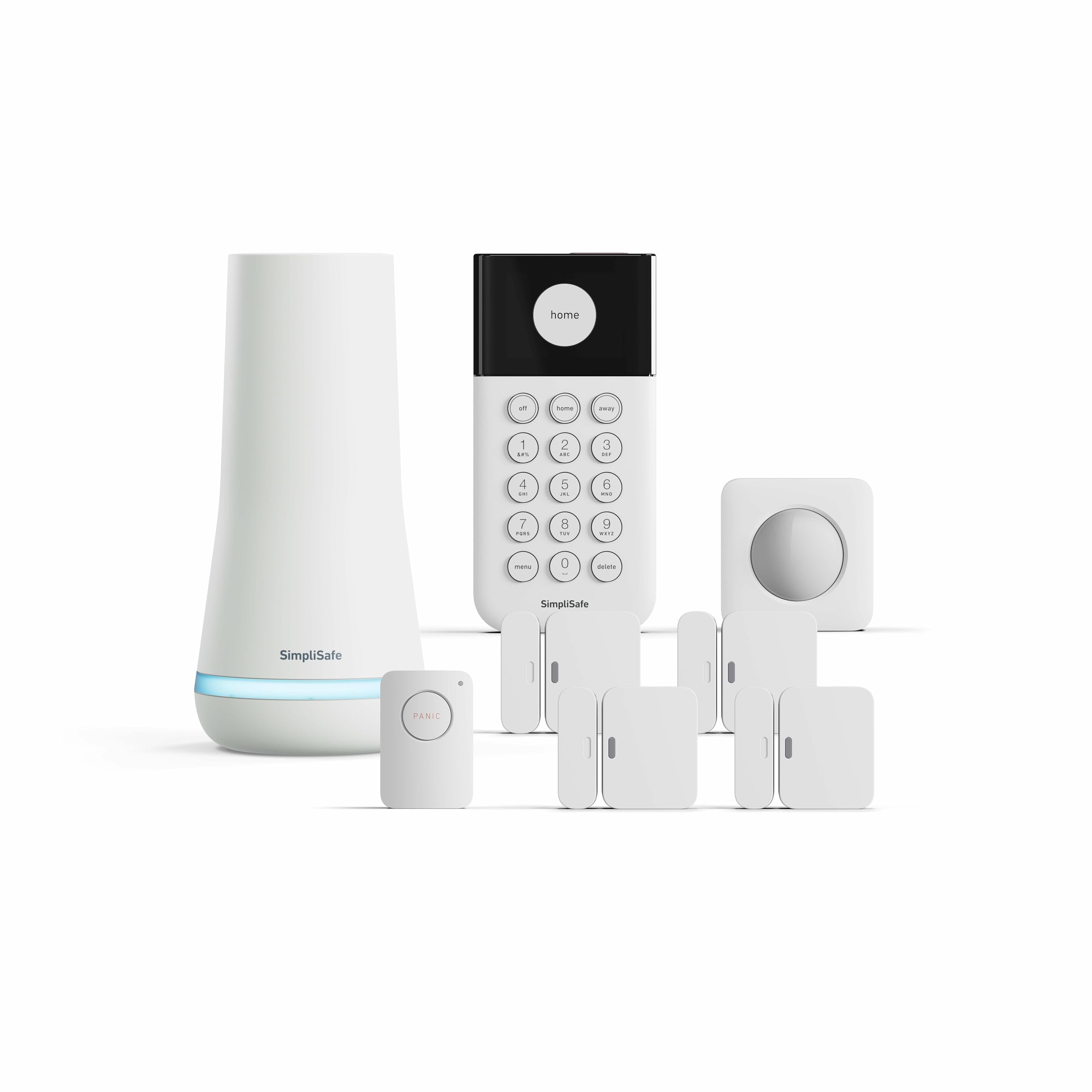
SimpliSafe remains the top choice for budget-conscious homeowners because it balances low upfront costs with reliable performance. The equipment starts at $250, which covers a base station, entry sensors, and a motion detector. Unlike many competitors, SimpliSafe doesn’t force you into expensive proprietary hardware bundles, allowing you to start small and add sensors as needed.
The system is DIY-friendly and works with or without professional monitoring. If you opt for monitoring, plans start at $17.99 per month, which is competitive for the industry. The hardware is robust enough for most homes, offering cellular backup to ensure your alarm stays active even if the internet goes down.
Cove: Cheapest Monitoring
If your primary concern is keeping monthly fees as low as possible, Cove offers some of the cheapest monitoring in the market. While their equipment costs are slightly higher than SimpliSafe’s entry point, their monitoring plans can be significantly cheaper, especially for basic tiers.
Cove’s system is also DIY-installable, though it leans more toward a polished, user-friendly interface. It includes cellular backup and 24/7 professional monitoring. For renters or homeowners who want a sleek, modern look without the hassle of complex wiring, Cove’s budget-friendly monitoring makes it a strong contender.
ADT Pulse (Self-Monitored): Low Entry Cost
For those who already have ADT equipment or want to leverage a well-known brand, ADT’s self-monitored options provide a low entry cost. By skipping professional monitoring and relying on the ADT app for alerts, you can avoid monthly fees entirely.
This approach works best if you are tech-savvy and comfortable managing your own security alerts. The hardware is high-quality, but the lack of professional response means you are responsible for verifying alarms and contacting authorities if needed. It’s a viable budget option if you trust your own vigilance.


As an Amazon Associate, we may earn from qualifying purchases.
Smart home integration and AI features
Modern home security systems have moved beyond simple motion detection. Today’s top-tier kits, like the Ring Alarm Pro and Arlo Smart Home Security Systems, use artificial intelligence to distinguish between a stray pet, a passing car, and an actual intruder. This shift is critical because false alarms are the primary reason homeowners abandon their systems. By filtering out noise, these systems keep your response time fast and your peace of mind intact.
AI-driven motion detection reduces false alarms by up to 90% compared to traditional PIR sensors. This accuracy allows the system to trigger specific automations rather than generic alerts. For instance, if the system detects movement at the back door after sunset, it can instantly turn on exterior lights and lock the deadbolt. This level of integration turns your security hub into the central nervous system of your home.
Voice assistant compatibility further streamlines this process. You can arm the entire system with a simple voice command to Alexa or Google Assistant, or ask for a live feed from a specific camera without picking up your phone. This hands-free control ensures that security measures are always active, even when your hands are full or you are moving quickly through the house.
What to check before buying
Choosing the right home security systems involves more than comparing camera resolution. The real value often hides in the fine print of contracts, equipment ownership, and connectivity options. A system that looks affordable on paper can become expensive if you are locked into a multi-year agreement or if the base station relies on an unreliable internet connection.
Avoid long-term commitments if you value flexibility. Many providers require three-year contracts for professional monitoring, while others like SimpliSafe offer month-to-month plans without penalties. Always check for early termination fees and whether monitoring prices increase after an introductory period.
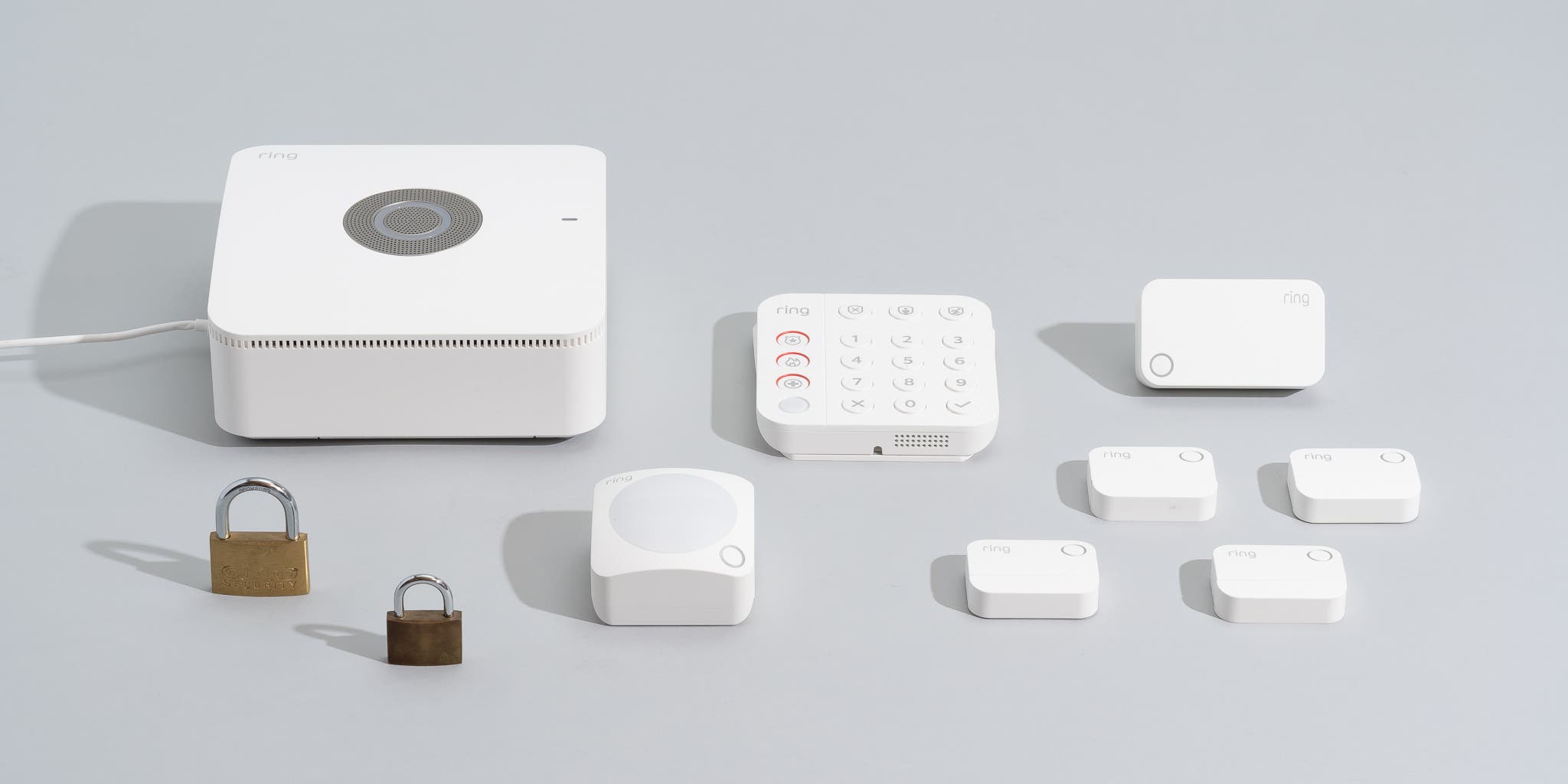
Determine if you own the hardware or if it is leased. With ADT or Vivint, equipment is often subsidized but remains the provider’s property until the contract ends. Self-monitored systems like Ring Alarm typically let you keep the base station and sensors outright, which simplifies moving to a new home.
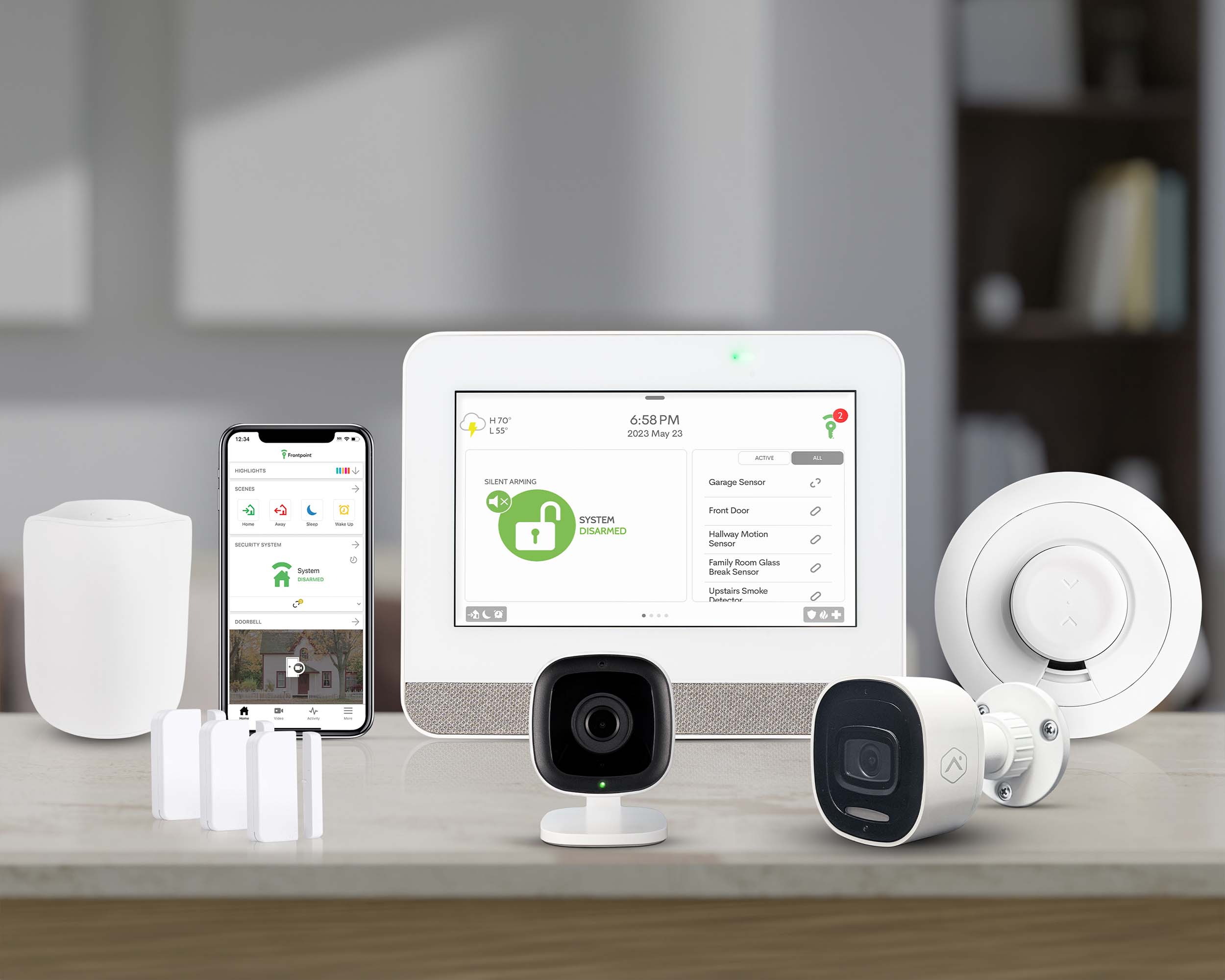
Internet outages can disable your security system instantly. Ensure the base station includes built-in cellular backup, which keeps your home protected during power or broadband failures. Most professional monitoring services include this feature, but verify it before signing up.
Common home security: what to check next
Choosing the right home security systems involves balancing upfront costs, monthly fees, and installation preferences. Below are answers to the most frequent questions buyers ask before committing to a provider.
Can I install a home security system myself?
Yes. DIY brands like SimpliSafe and Ring Alarm are designed for plug-and-play setup without professional help. You can typically install the base station, sensors, and cameras in under an hour using basic tools. Professional installation is available through providers like ADT or Vivint, but it usually adds to the initial cost and may require a home visit.
How much does home security monitoring cost?
Monitoring fees vary by provider and contract length. Budget-friendly options like Cove offer the cheapest monitoring plans, often starting around $10–$15 per month. Premium services with video storage or smart home integration, such as ADT or Vivint, generally cost $30–$60 monthly. Always check if the price includes cellular backup, which ensures your system works even if your internet goes down.
Are long-term contracts necessary?
Not always. Many modern systems, including SimpliSafe and Ring, offer month-to-month monitoring with no long-term commitment. This flexibility lets you cancel or switch providers easily. Traditional companies like ADT often require 24-36 month contracts to secure discounted equipment or professional installation. Read the fine print to avoid early termination fees if you plan to move or upgrade soon.
No comments yet. Be the first to share your thoughts!