
How we tested these security systems
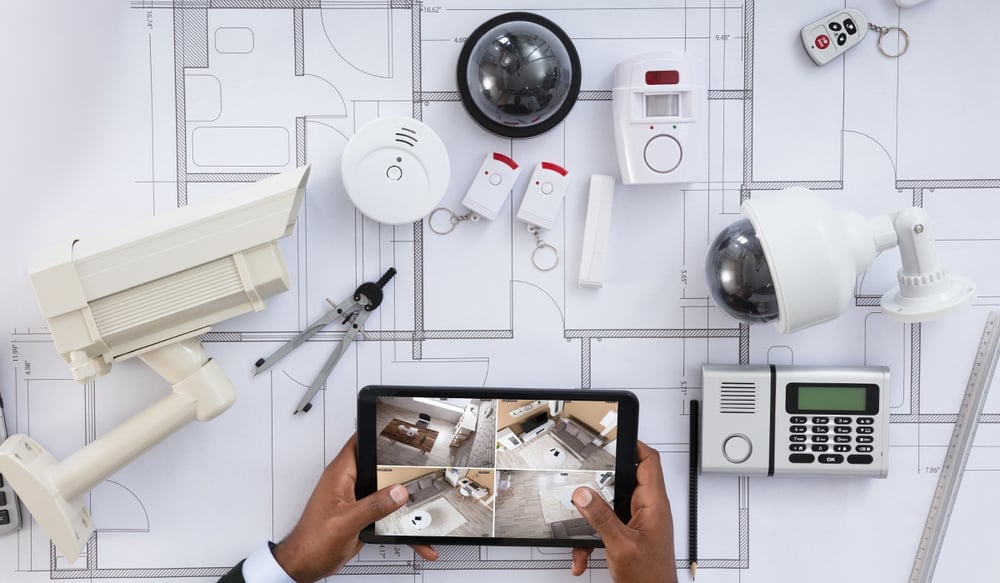
We spent months evaluating the leading home security systems of 2026, including ADT, SimpliSafe, and Vivint, to determine which platforms actually deliver on their promises. Our testing focused on three practical areas: how easy the system is to install, how reliable the companion app is for daily use, and the quality of professional monitoring options.
We prioritized systems that offer strong encryption for data privacy, straightforward DIY installation for renters and homeowners alike, and reliable 24/7 monitoring that connects to emergency services without delay. The goal was to find systems that work quietly and effectively, rather than those that require complex technical setups or constant troubleshooting.
Our findings indicate that ADT delivers the best professional installation experience, SimpliSafe leads in burglary protection reliability, and Vivint dominates in smart home integration. These distinctions help narrow down the best home security systems based on your specific needs, whether you value professional service, standalone reliability, or ecosystem connectivity.
ADT: Best for professional monitoring
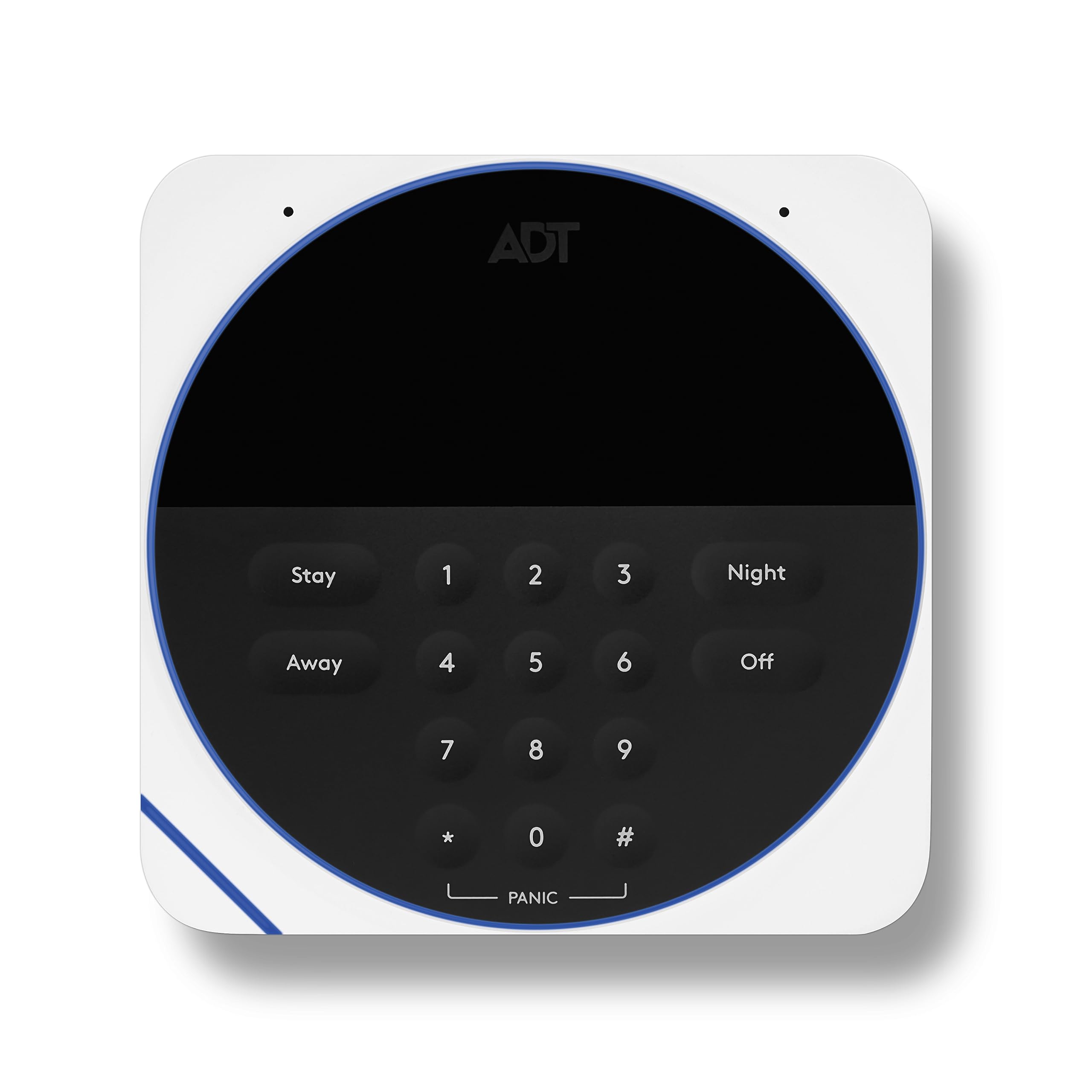
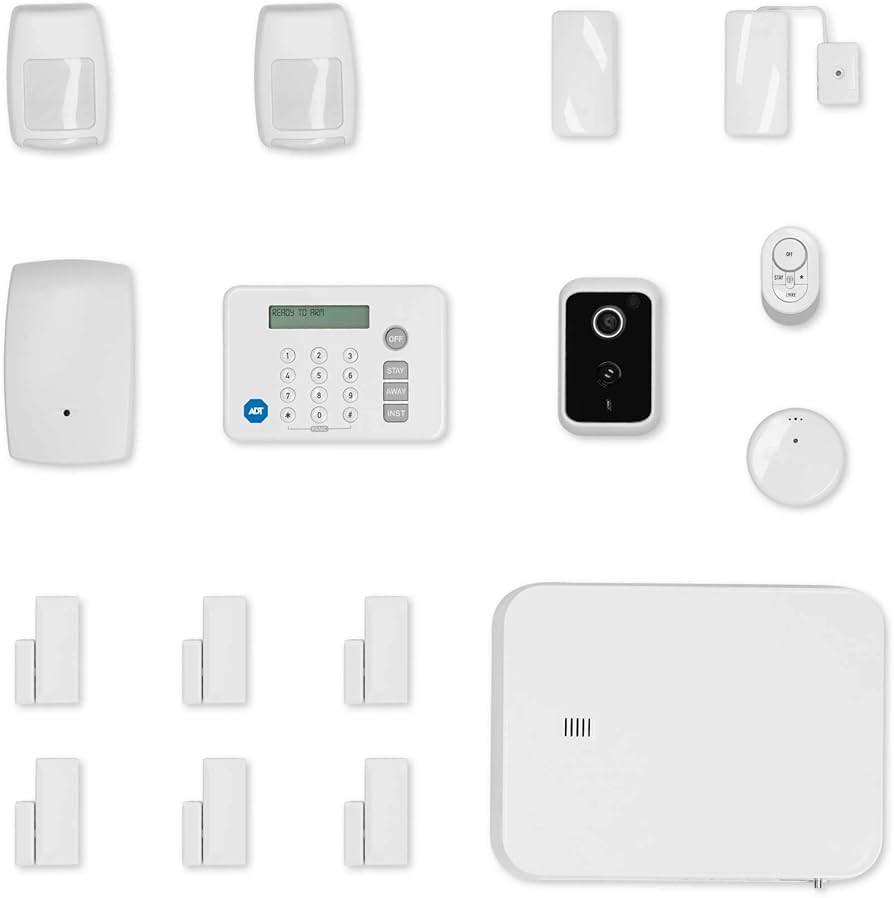
ADT remains the default choice for those seeking a full-service security solution handled from start to finish. Unlike DIY systems that require you to mount sensors and configure hubs, ADT provides professional installation and 24/7 monitoring through its own command center. This model works best for users who prioritize reliability and support over low monthly costs.
The system’s strength lies in its infrastructure. ADT’s monitoring centers are UL-listed and tested to industry standards, offering a layer of redundancy that many self-monitored or third-party monitored systems lack. Their equipment is robust, featuring cellular backup to ensure your alarm stays connected even if your internet or phone line goes down. For many, this peace of mind justifies the higher price point and the long-term contract commitment.
Installation is scheduled at your convenience, and technicians handle all wiring and configuration. This is particularly useful for those who aren’t comfortable working with ladders or complex smart home integrations. While the equipment itself is functional rather than cutting-edge, the consistency of the service and the widespread availability of ADT-trained professionals make it a steady, dependable option for traditional home security.
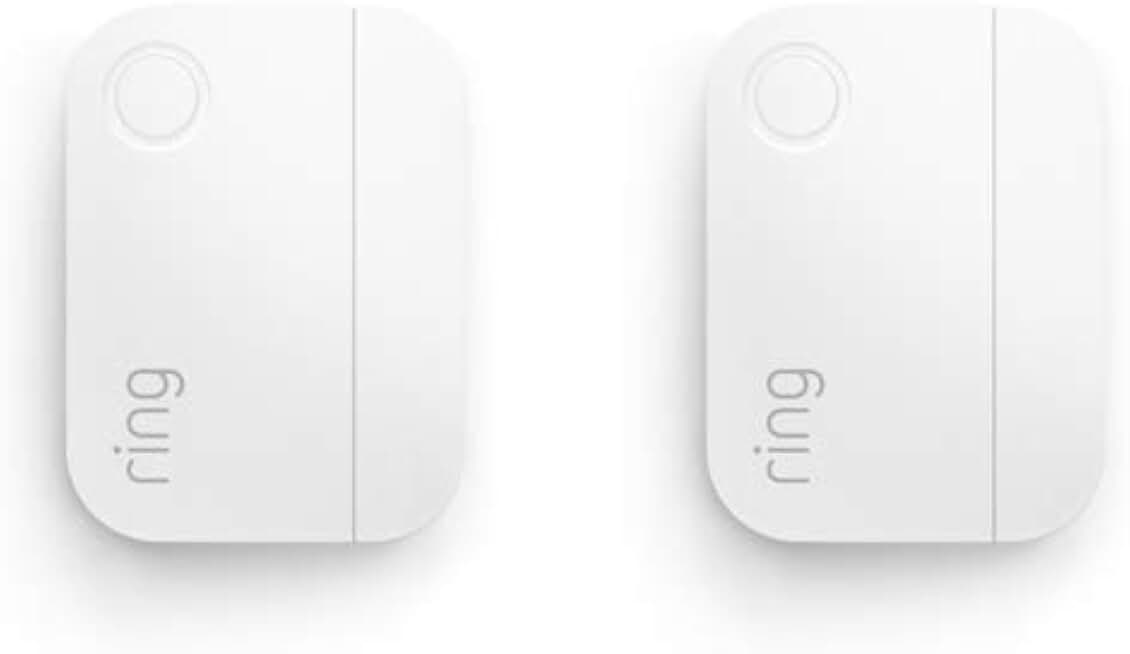
As an Amazon Associate, we may earn from qualifying purchases.
SimpliSafe: Best for burglary protection
SimpliSafe has built its reputation on a straightforward premise: reliable hardware that works without a complicated setup. Unlike systems that require professional installation or long-term contracts, SimpliSafe offers a DIY approach that doesn't sacrifice security quality. The system is widely recognized for its high-quality sensors and ease of use, making it a strong alternative for those seeking robust protection without the hassle.
The hardware is designed to be tamper-resistant and durable. SimpliSafe’s base station features a built-in cellular connection, ensuring the system stays online even if the internet goes down. The sensors are compact and easy to mount, with clear LED indicators that show status at a glance. This focus on concrete, reliable components helps prevent false alarms and ensures that your home stays protected around the clock.
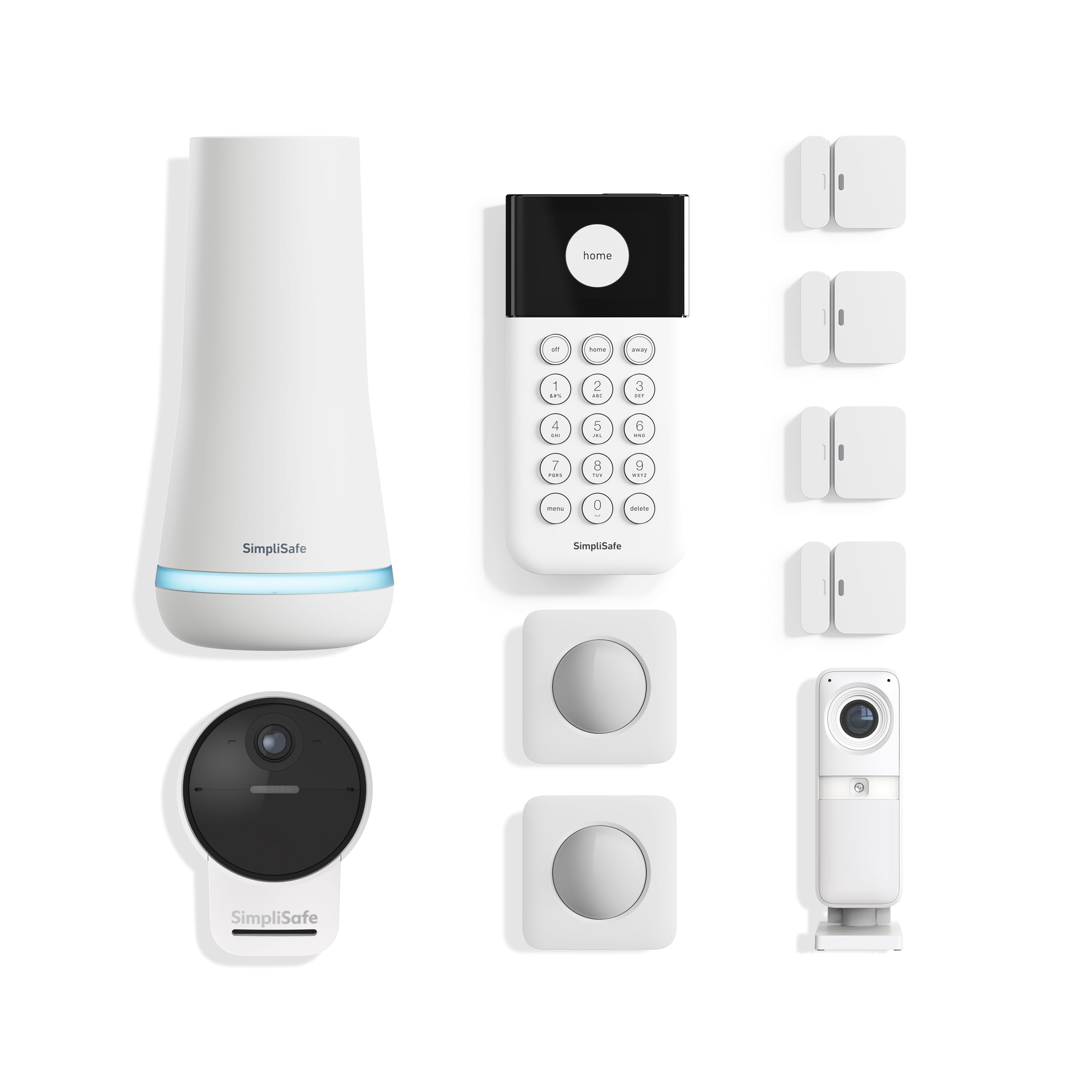
For those looking to customize their security, SimpliSafe offers a wide range of add-ons, from door and window sensors to motion detectors and glass break sensors. This flexibility allows you to start with a basic kit and expand as needed, without committing to expensive professional monitoring plans if you prefer self-monitoring.
SimpliSafe Kits and Sensors


As an Amazon Associate, we may earn from qualifying purchases.
Ring Alarm: Best for budget-friendly DIY
Ring Alarm stands out as the top pick for renters and budget-conscious users seeking a reliable security system without professional installation. Wirecutter highlights it as the best overall choice because it balances high-quality components with an affordable price point and straightforward setup. The system is designed to be modular, allowing you to start with a basic kit and add sensors as needed.
The standard base station includes a built-in cellular radio and Wi-Fi connection, ensuring your home stays protected even if the internet goes down. The keypad features a five-second entry delay, giving you ample time to disarm the system when you arrive home. You can control the entire system through the Ring app, which sends instant alerts for door openings, motion detection, or alarm triggers.
What’s in the Box
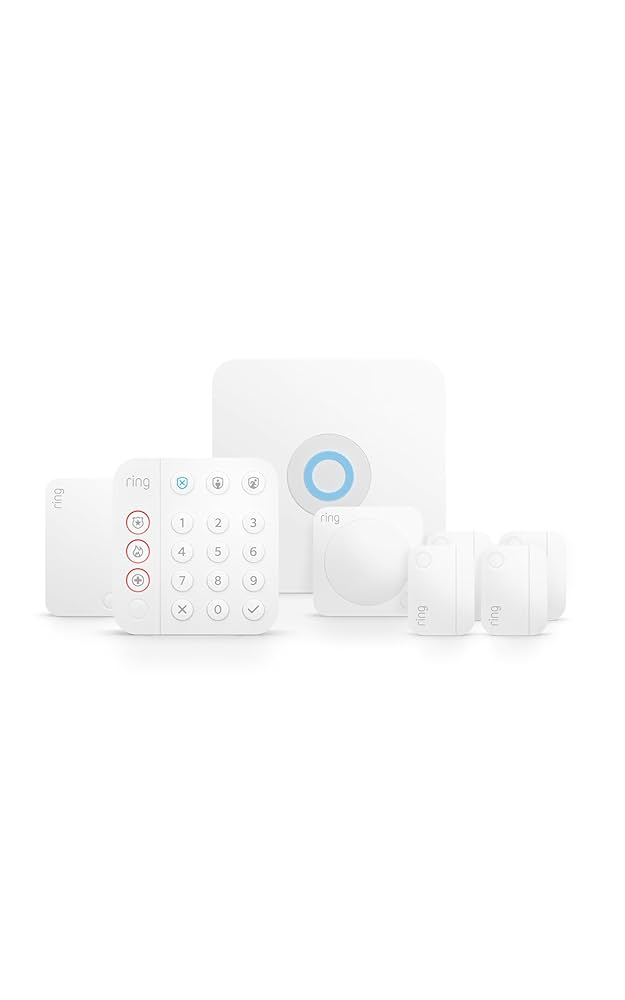
Most starter kits include the base station, a four-way keypad, two contact sensors, one motion detector, and two keypads or fobs for easy arming and disarming. The contact sensors stick to door and window frames, while the motion detector uses pet-immune technology to ignore animals under 50 pounds. This core set covers the most common entry points for a fraction of the cost of professional monitoring systems.
Optional Add-Ons
If you need more coverage, you can expand the system with additional contact sensors, motion detectors, or a glass break sensor. The Ring Alarm Pro adds a built-in Wi-Fi extender and eero mesh networking, which is useful for larger homes with weak signal areas. You can also integrate Ring video doorbells and security cameras to add visual verification to your alarm triggers.


As an Amazon Associate, we may earn from qualifying purchases.
Vivint: Best for smart home integration
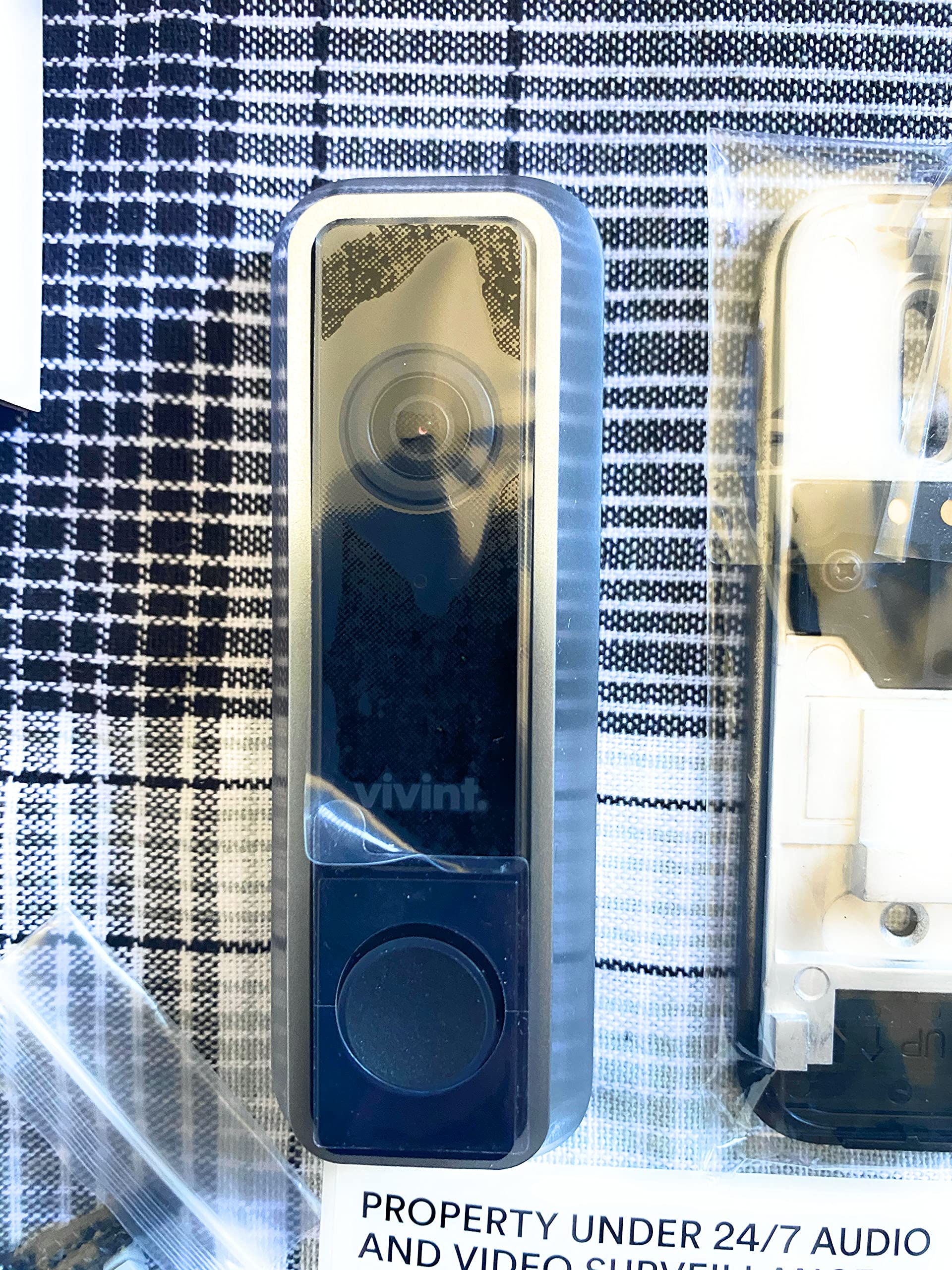
Vivint stands out as the premium choice for those wanting their security system to act as the central hub for their entire smart home ecosystem. Unlike providers that treat smart devices as an afterthought, Vivint builds its hardware and software to communicate natively with other connected products, creating a unified experience rather than a collection of disparate apps.
The system’s interface allows you to control lighting, thermostats, door locks, and cameras from a single touchscreen panel or mobile app. This level of integration means you can set routines that trigger multiple actions at once—for example, a "Goodnight" mode that locks doors, arms the security system, and adjusts the thermostat simultaneously. For tech-savvy users, this depth of control is the primary value proposition, offering convenience that rivals standalone smart home platforms.
Installation is professional and managed by Vivint technicians, ensuring that all smart components are properly configured and integrated. While this service comes at a higher price point than DIY alternatives, it guarantees that the complex network of devices works together reliably from day one. The trade-off is clear: you pay for expertise and seamless connectivity, which is ideal for those who prioritize a polished, fully integrated smart home experience over lower upfront costs.


As an Amazon Associate, we may earn from qualifying purchases.
Choosing the right alarm system
Selecting a home security system comes down to three practical factors: how it gets installed, whether you are locked into a contract, and if it plays well with your existing smart home gear. These decisions dictate your monthly costs and long-term flexibility.
Installation type is the first major fork in the road. Professional systems like ADT and Vivint require technicians to mount sensors and configure monitoring, which ensures reliability but often ties you to a service contract. DIY options like SimpliSafe or Ring let you place sensors yourself, offering lower upfront costs and the freedom to move equipment when you relocate.
Smart home compatibility determines whether your security system feels like a standalone gadget or part of a unified ecosystem. If you already use Alexa, Google Home, or Apple HomeKit, check if the system supports direct integration. This allows you to arm the system with voice commands or automate lights when a sensor triggers, rather than juggling multiple apps.
Use the comparison below to weigh these factors against your budget and technical comfort level.
| Brand | Installation | Contract | Price Range |
|---|---|---|---|
| ADT | Professional | Yes (typically 3 years) | $$$ |
| SimpliSafe | DIY | No | $ |
| Ring | DIY / Professional | Optional | $-$$ |
| Vivint | Professional | Yes (typically 24 months) | $$$ |
Frequently asked questions about home security
How much does a home security system cost? Prices vary based on whether you choose professional installation or a DIY setup. Professional systems typically involve higher upfront fees for equipment and installation, plus monthly monitoring subscriptions ranging from $20 to $60. DIY systems often have lower initial costs but may require you to pay for self-monitoring apps or optional professional add-ons.
Do I need professional monitoring? Professional monitoring ensures that emergency services are contacted if your alarm triggers, providing 24/7 oversight even when you are away. Self-monitoring relies on your smartphone to receive alerts, which is more affordable but requires you to be actively watching for notifications. For most users, professional monitoring offers greater peace of mind.
Can I install a security system myself? Many modern systems are designed for DIY installation, using wireless sensors that stick to doors and windows with adhesive pads. These systems connect via Wi-Fi or cellular backup, eliminating the need for drilling or complex wiring. Professional installation is still available for those who prefer expert setup or have hardwired legacy systems.
No comments yet. Be the first to share your thoughts!